
 en
en English
 中文简体
中文简体 русский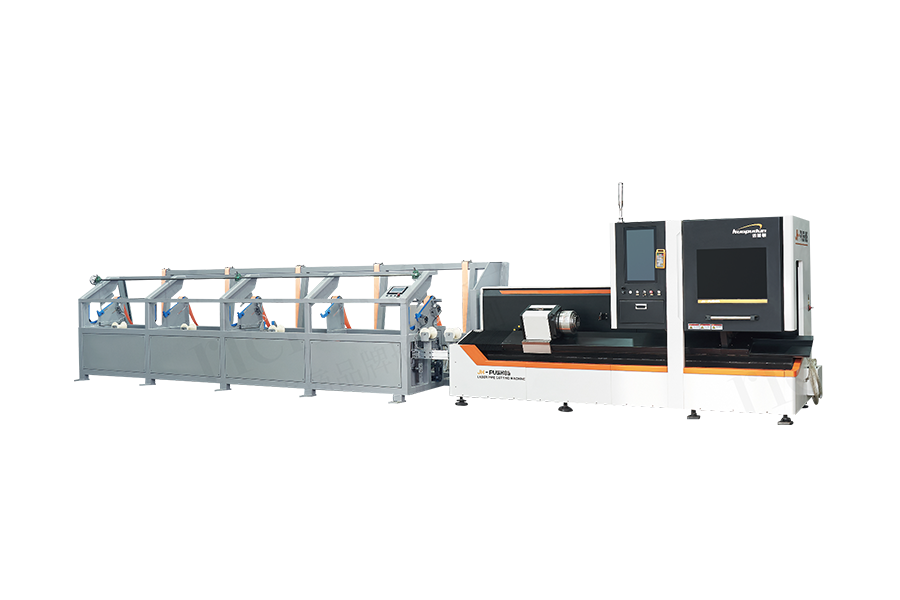
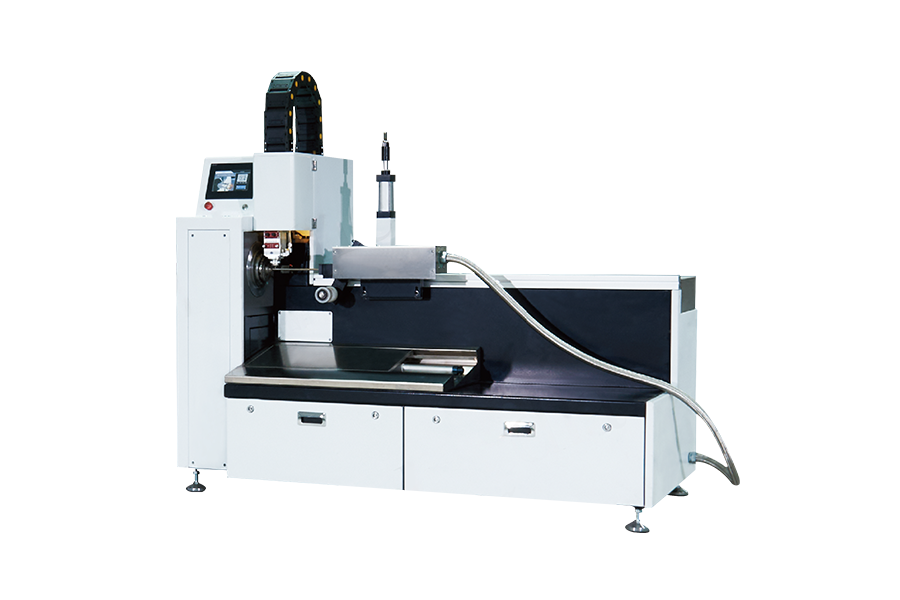
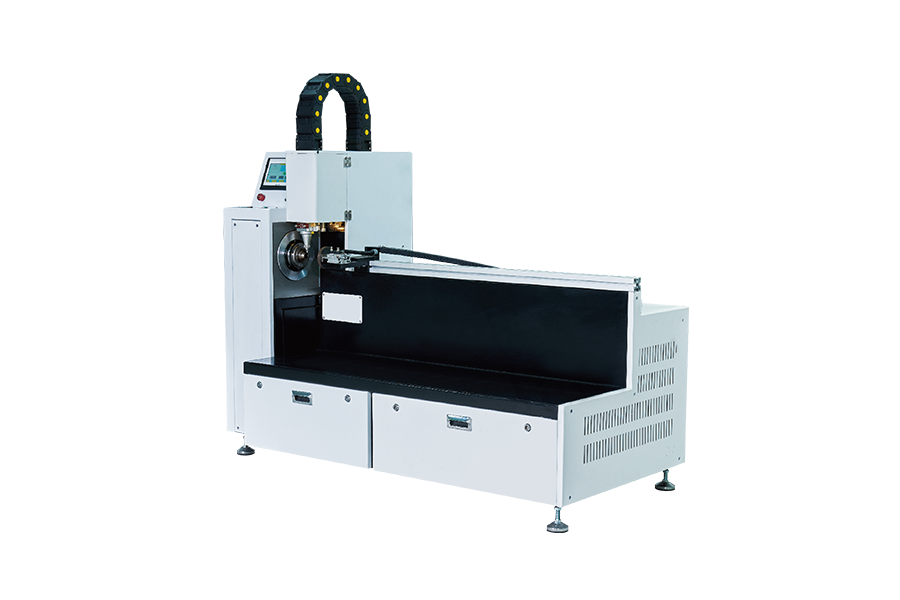
Professional R&D, production, sales and after-sales integration.
We have many years of experience in R&D of automation technology and laser technology
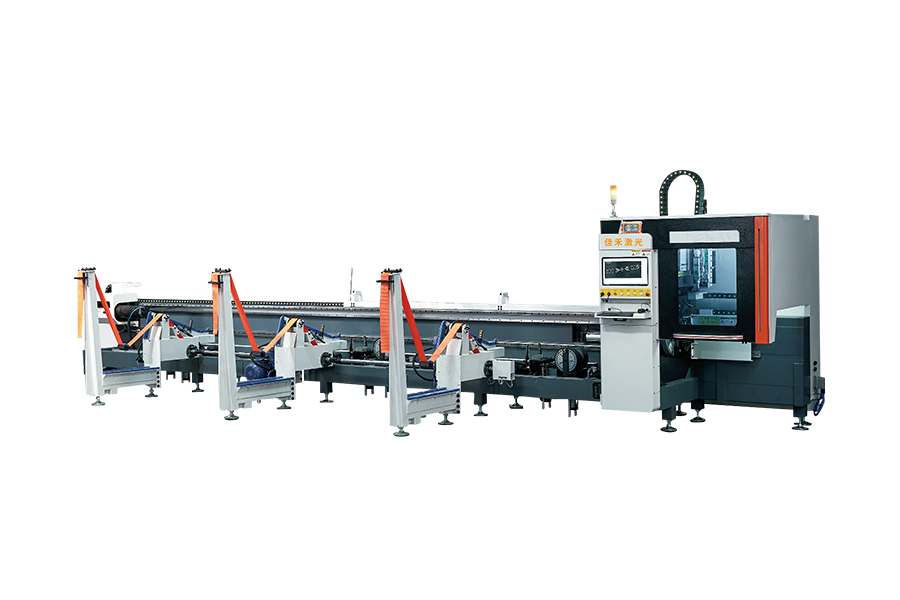
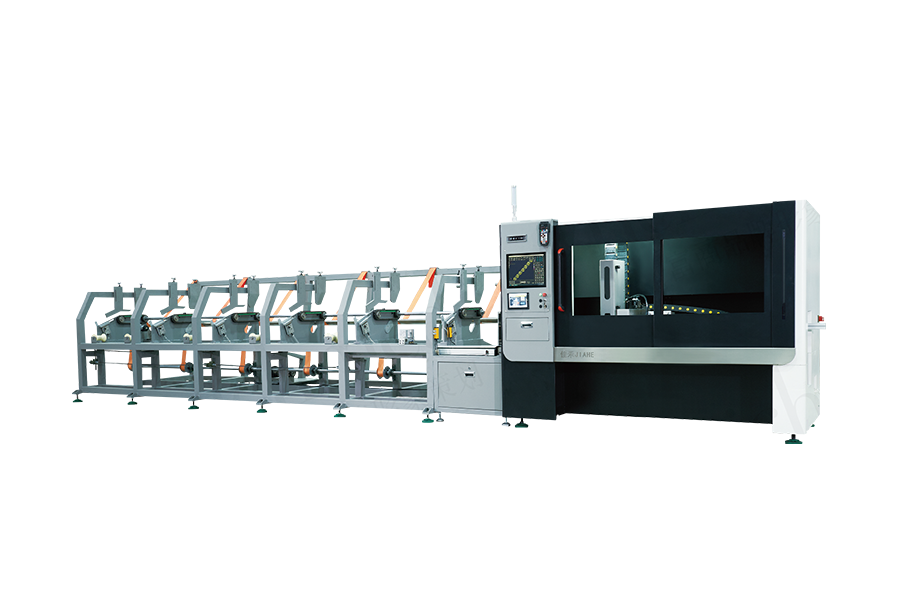
As global manufacturing continues to move toward automation and precision, pipe processing has become a major topic across overseas industrial forums and professional social platforms. Fabricators, system integrators, and workshop owners are actively discussing how advanced technologies improve accuracy, efficiency, and consistency. In this environment, CNC Laser Pipe Cutting is increasingly recognized as a practical solution for handling complex pipe geometries while maintaining clean edges and stable processing quality across different production scenarios.
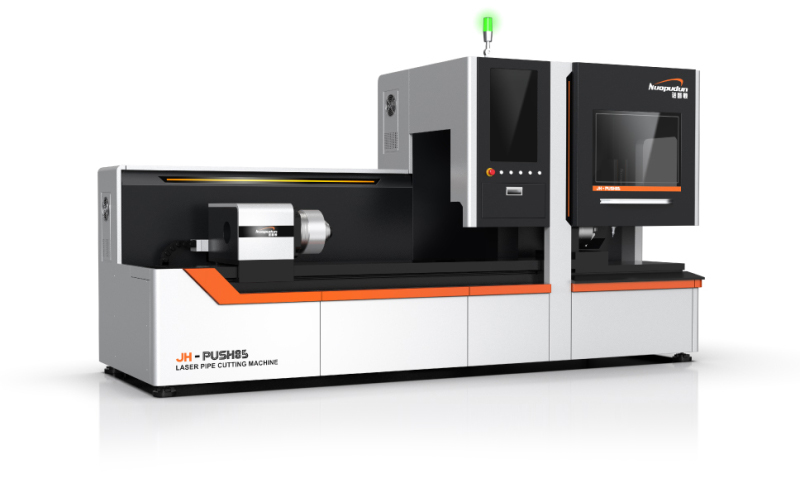
The Growing Demand for Precision in Pipe Fabrication
Modern industries such as construction equipment, automotive structures, and energy infrastructure rely heavily on accurately processed pipes. Overseas buyers are no longer satisfied with rough cuts or secondary finishing processes. Instead, they expect smooth edges, precise angles, and repeatable results that align with automated assembly lines.
From what we observe as a manufacturer, this demand is driven by tighter tolerances in downstream applications and the need to reduce manual rework. Precision pipe cutting is now viewed as a foundation for overall product quality rather than a standalone process.
Why Laser Technology Is Gaining Wider Adoption
Laser-based cutting technology has become a popular topic among engineers discussing workflow upgrades. Compared with traditional methods, laser cutting enables flexible programming and consistent results across different pipe sizes and materials. This flexibility allows workshops to respond faster to custom orders and small-batch production, a trend frequently mentioned in overseas manufacturing communities.
Manufacturers that master laser cutting integration can better support customers who want both adaptability and process stability without overcomplicating their production lines.
Automation as a Response to Labor and Efficiency Challenges
Another recurring theme on social platforms is the challenge of balancing productivity with workforce availability. Automated pipe cutting solutions help reduce dependence on manual operations while maintaining steady output. Automation is no longer perceived as replacing craftsmanship, but rather as supporting skilled operators by simplifying repetitive tasks.
As a producer, we see automation helping customers standardize quality across shifts and projects, especially in environments where consistency is critical.
What Global Buyers Commonly Evaluate Before Purchase
Based on ongoing communication with overseas clients, several evaluation points frequently appear in procurement discussions:
- Cutting accuracy and repeatability
- Compatibility with different pipe shapes and materials
- Ease of programming and operation
- Stability during long production runs
These considerations reflect a preference for equipment that integrates smoothly into existing workflows rather than forcing major operational changes.
Manufacturing Know-How Behind Reliable Machines
From a manufacturing standpoint, delivering reliable pipe cutting equipment requires more than assembling components. Precision alignment, stable mechanical structures, and controlled system integration all influence cutting performance over time.
By maintaining in-house production and testing processes, manufacturers can better ensure consistency between machines and respond more efficiently to application-specific requirements. This capability is especially important for overseas customers who value long-term cooperation and dependable technical support.
Applications Across Multiple Industries
Advanced pipe cutting solutions are widely applied in furniture frames, fitness equipment, construction scaffolding, automotive parts, and industrial pipelines. Each industry presents different challenges, such as varying wall thicknesses or complex cut patterns.
Understanding these application scenarios allows manufacturers to design machines that meet real production needs rather than generic specifications.
Smarter Equipment for Evolving Workshops
Global discussions indicate that workshops are gradually shifting toward smarter, more integrated equipment that supports flexible production. Buyers are seeking machines that combine automation, precision, and operational stability while remaining practical to operate and maintain.
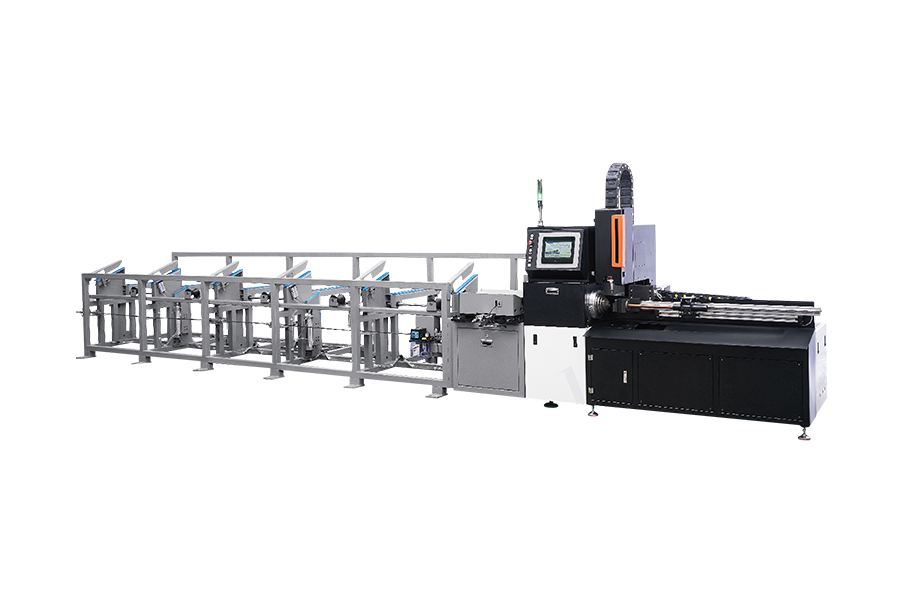
From our perspective, supporting this transition means offering solutions that align with real manufacturing challenges and long-term productivity goals. As automation continues to advance, equipment such as the Automatic Pipe Cutting Machine is increasingly seen as a natural complement to laser-based solutions, working together to support efficient, consistent, and scalable pipe processing systems worldwide.
 +86-0576-88365555
 +86-18858615555 / +86-15958622266
 No. 3, Building 9, Pan'ao Pioneer Park, Daxi Town, Wenling City, Taizhou City, Zhejiang Province, China