
 en
en English
 中文简体
中文简体 русский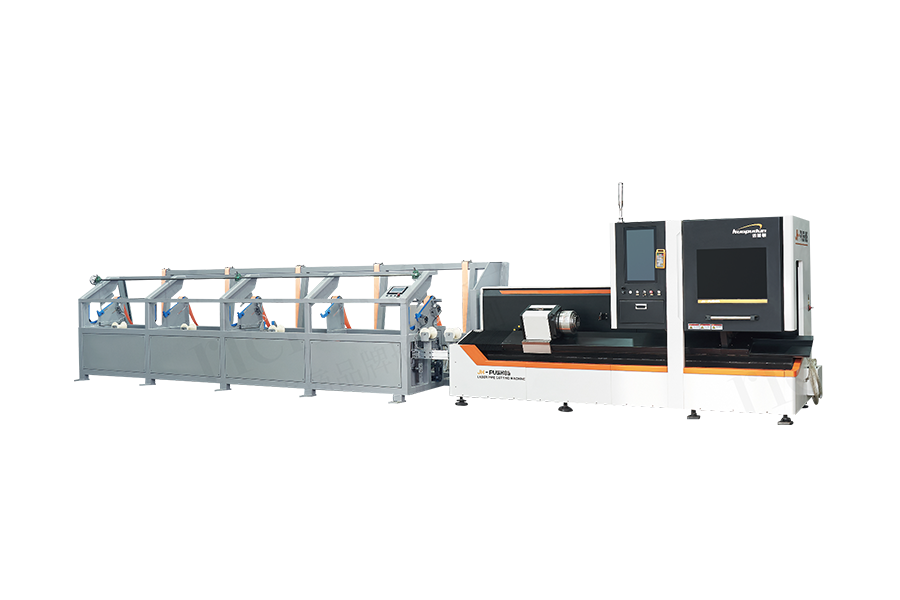
Professional R&D, production, sales and after-sales integration.
We have many years of experience in R&D of automation technology and laser technology
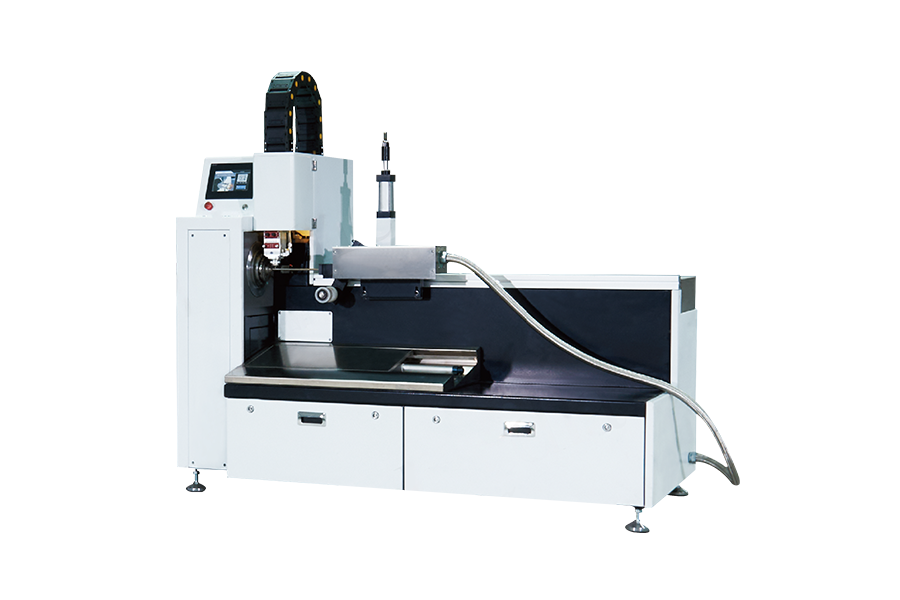
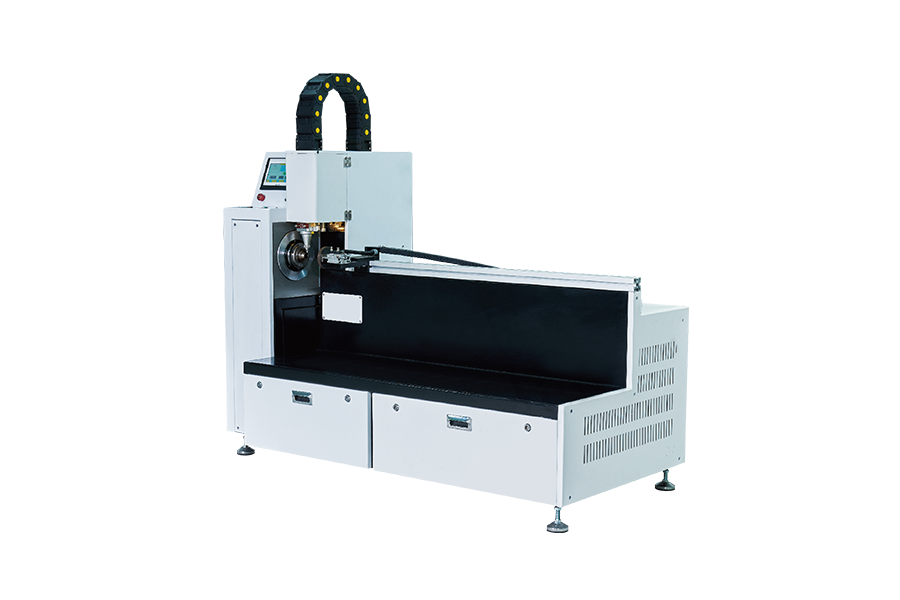
Global manufacturing industries are moving toward higher precision, faster customization, and more flexible production methods. From metal fabrication workshops to automotive component processing, pipe cutting technologies are playing a larger role in production efficiency and material utilization. In this rapidly evolving market, CNC Laser Pipe Cutting technology is becoming increasingly popular for precision automated processing, while the Manual Pipe Cutting Machine continues to maintain strong demand in maintenance, small-batch fabrication, and flexible onsite operations.

Across industrial manufacturing discussions and overseas fabrication trends, companies are now paying closer attention to processing accuracy, production adaptability, and operational efficiency when selecting pipe cutting equipment.
Precision Manufacturing Is Driving Equipment Upgrades
As industries pursue more refined production standards, manufacturers are increasingly investing in pipe processing equipment capable of handling complex cutting requirements with greater consistency.
Industries such as automotive parts, construction hardware, sports equipment, furniture manufacturing, and plumbing systems all require accurate pipe cutting solutions to improve assembly precision and reduce material waste. At the same time, buyers are looking for equipment that balances productivity with operational flexibility.
This shift is accelerating demand for both automated laser processing systems and practical manual cutting solutions suited for different production environments.
CNC Laser Pipe Cutting Supporting Advanced Fabrication
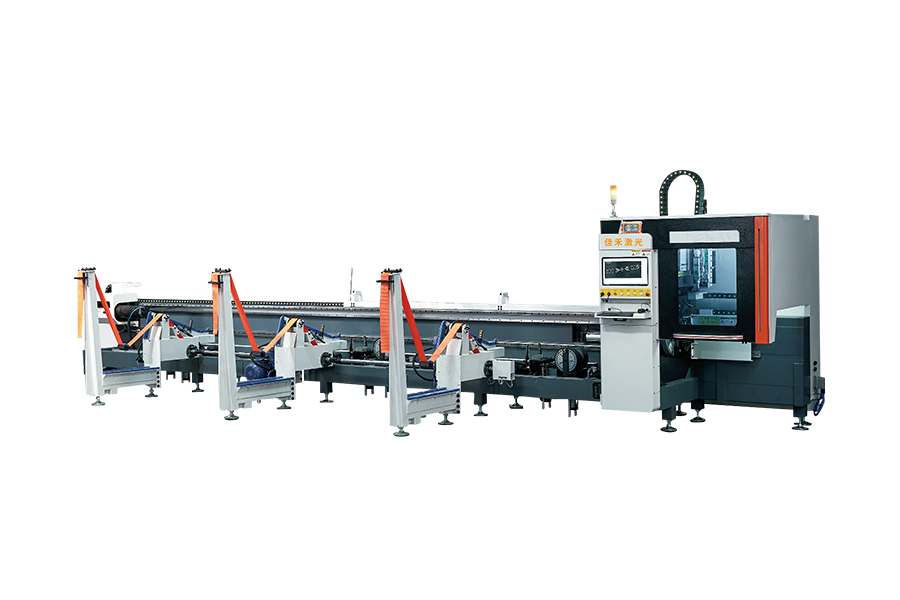
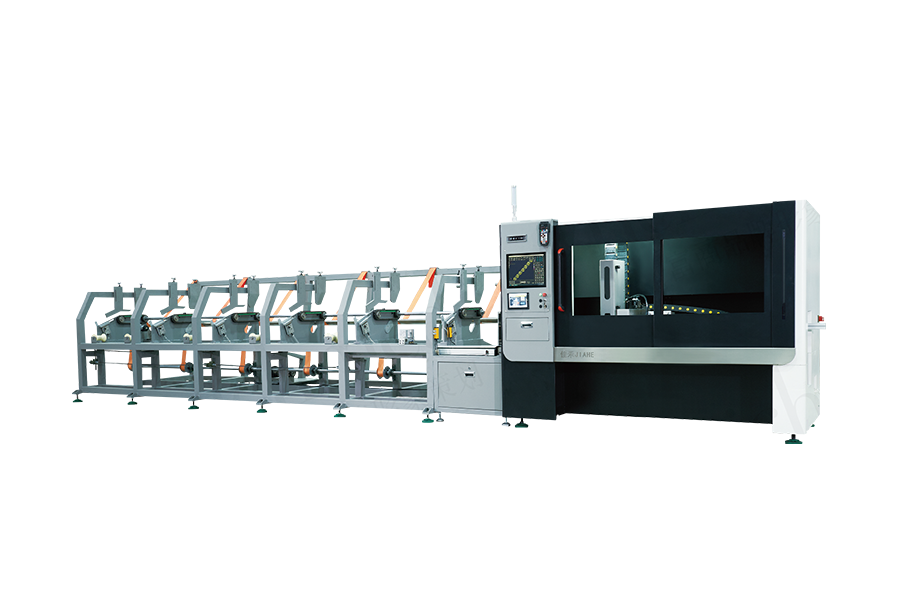
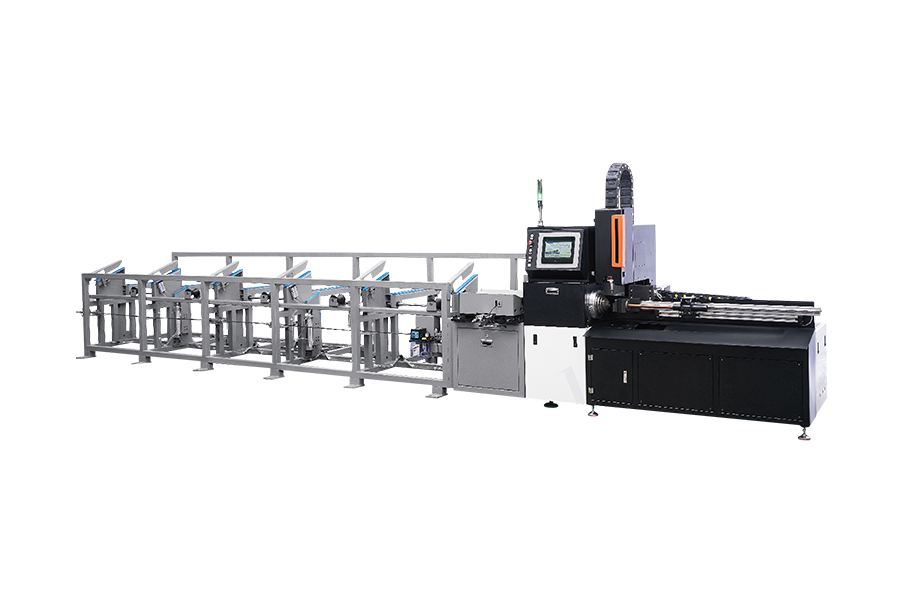
Modern CNC Laser Pipe Cutting systems are widely valued for their ability to process pipes with high cutting precision and clean edge quality. Laser-controlled systems support complex cutting paths, rapid positioning adjustments, and efficient material utilization in automated manufacturing environments.
These systems are commonly applied in stainless steel pipe processing, automotive component production, bicycle manufacturing, precision hardware fabrication, and decorative metalwork. Automated programming capability also helps improve production consistency during batch processing operations.
As customized metal fabrication becomes more common, manufacturers increasingly prefer laser processing solutions that support flexible production requirements.
Manual Pipe Cutting Machine Still Plays an Important Role
While automation continues expanding, the Manual Pipe Cutting Machine remains highly relevant in workshops, maintenance environments, and onsite installation projects where mobility and operational simplicity are important.
Manual cutting systems are often preferred for smaller-scale fabrication, repair work, and field applications that require flexible handling without depending on complex automation systems. Their practical structure and straightforward operation make them suitable for plumbing installation, metal maintenance work, and localized fabrication tasks.
Many contractors and workshop operators continue choosing manual cutting equipment for its convenience and adaptability in diverse working environments.
Innovation and Technical Development Supporting Industry Growth
Zhejiang Nuopudun Laser Equipment Co., Ltd. continues focusing on laser pipe cutting equipment development through technology integration, engineering improvement, and market-oriented manufacturing strategies.
The company emphasizes high stability, precision processing, and operational efficiency while supporting industries ranging from automotive parts and home decoration to sports equipment and precision hardware manufacturing. Its cooperation with advanced laser technology partners reflects the growing market demand for more intelligent and stable laser processing systems.
As manufacturing industries continue evolving, technical innovation remains an important competitive advantage.
Industry Trends Influencing Pipe Processing Equipment Demand
Several trends are currently shaping the pipe cutting equipment market:
- Growth of customized metal fabrication projects
- Expansion of automated manufacturing systems
- Increasing demand for high-precision processing
- Rising focus on material utilization efficiency
- Continued demand for flexible onsite fabrication tools
These trends are encouraging manufacturers to improve both automation capability and operational adaptability.
Common Application Areas
Modern pipe cutting equipment is widely used across multiple industries:
- Automated Fabrication and Manufacturing
- Automotive component production
- Bicycle and motorcycle parts manufacturing
- Stainless steel processing
- Hardware and furniture fabrication
- Flexible Workshop and Field Operations
- Plumbing installation projects
- Construction maintenance work
- Metal repair operations
- Small-batch fabrication workshops
Their versatility supports both large-scale industrial production and flexible onsite processing.
Important Factors for Overseas Buyers
Professional buyers often evaluate:
- Cutting precision and edge quality
- Equipment stability during continuous operation
- Processing flexibility for different pipe materials
- Ease of operation and maintenance accessibility
- Technical support and production customization capability
These factors directly affect production efficiency and long-term operational reliability.
Pipe Processing Technologies Are Evolving with Manufacturing Needs
As global manufacturing continues moving toward precision production and flexible processing models, advanced pipe cutting technologies are becoming increasingly important.
Modern CNC Laser Pipe Cutting systems help manufacturers improve processing accuracy and production efficiency, while the practical Manual Pipe Cutting Machine continues supporting flexible workshop and field operations. Together, they are helping industrial users build more adaptable, efficient, and future-oriented fabrication environments.
 +86-0576-88365555
 +86-18858615555 / +86-15958622266
 No. 3, Building 9, Pan'ao Pioneer Park, Daxi Town, Wenling City, Taizhou City, Zhejiang Province, China