
 en
en English
 中文简体
中文简体 русский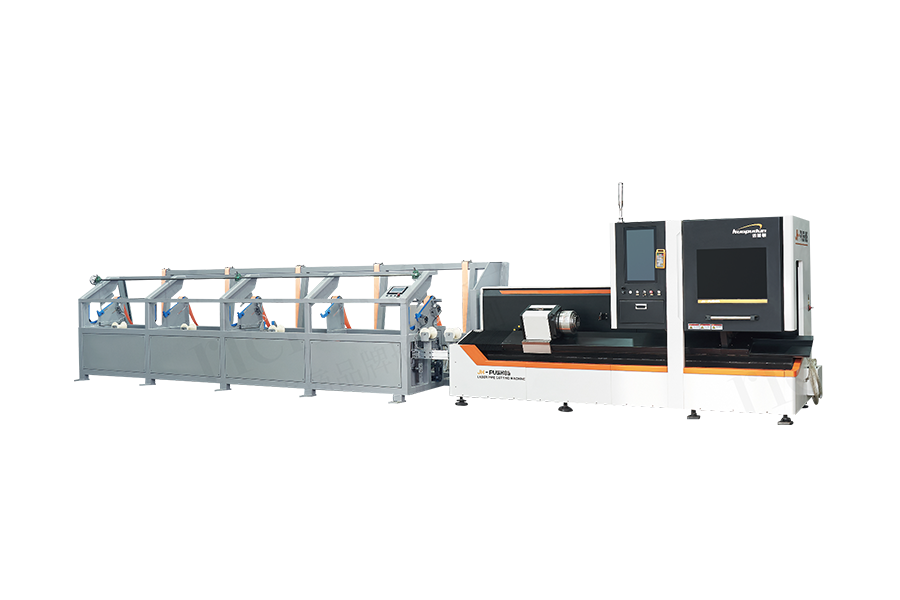
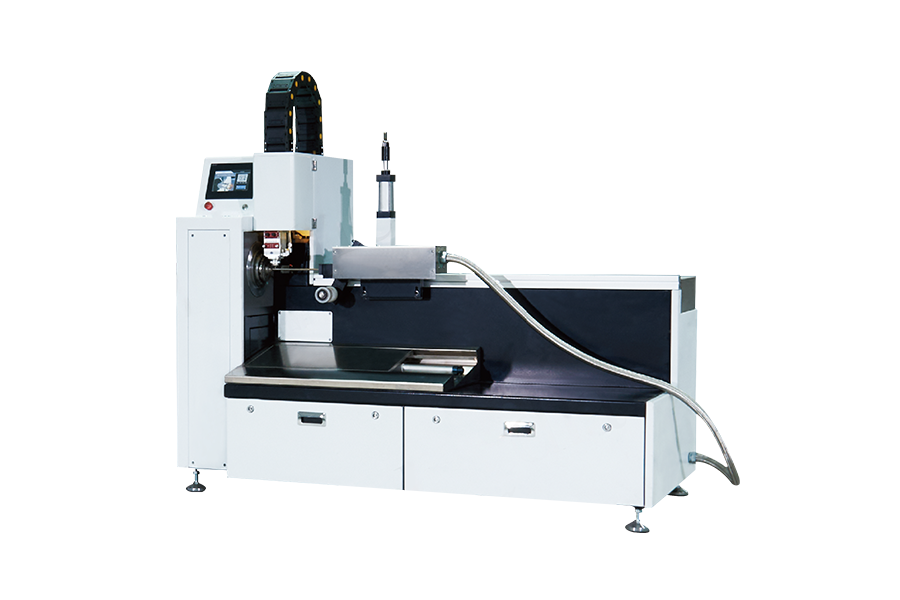
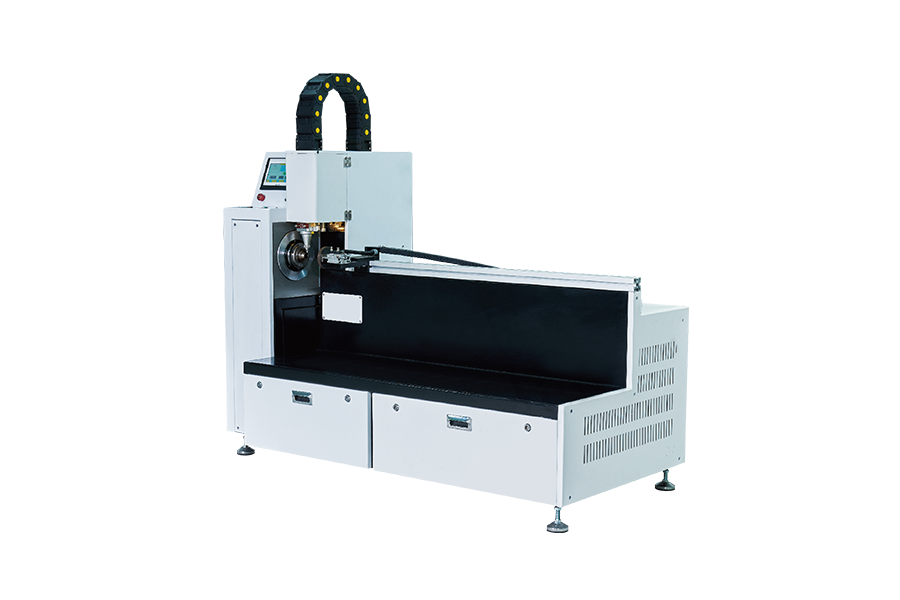
Professional R&D, production, sales and after-sales integration.
We have many years of experience in R&D of automation technology and laser technology
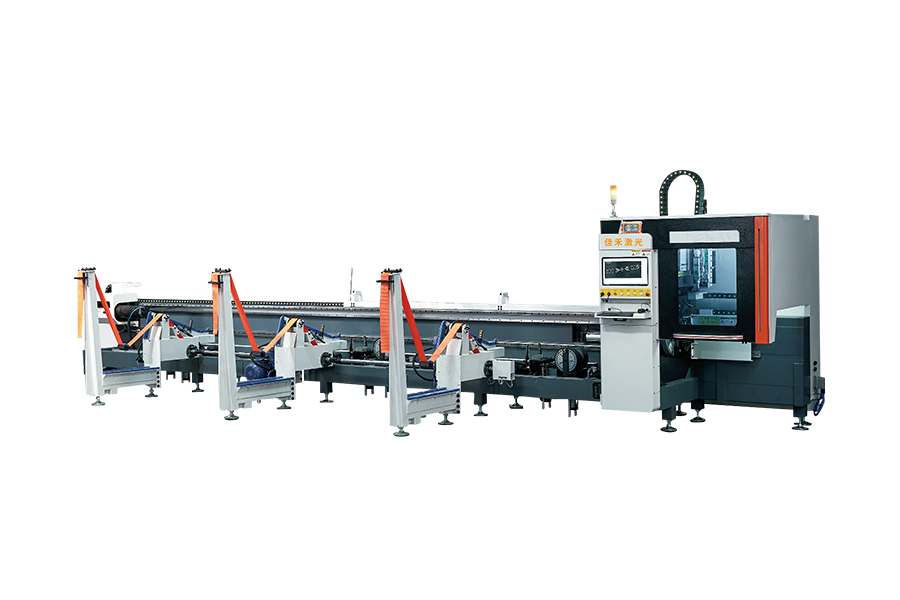
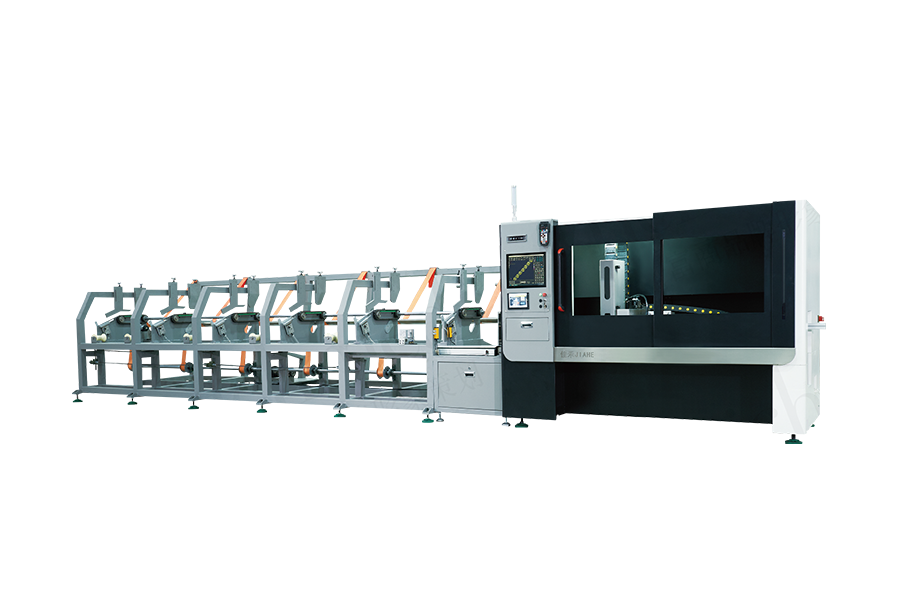
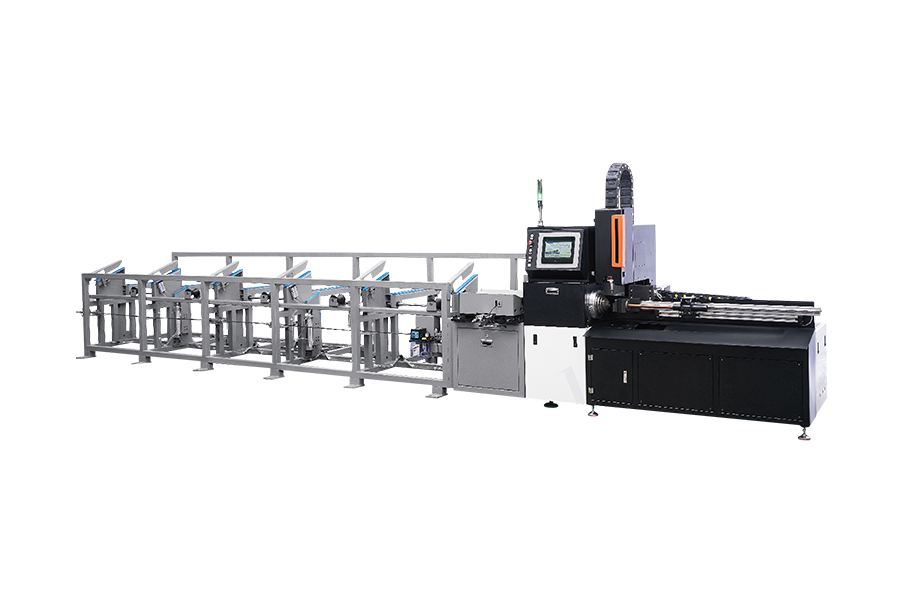
As industries worldwide pursue higher efficiency, precision, and versatility in metalworking, CNC Laser Pipe Cutting has emerged as a game-changer for overseas markets. Professionals from construction, automotive, and manufacturing sectors are increasingly discussing the benefits of automated laser cutting versus traditional approaches. At the same time, Manual Pipe Cutting Machines continue to hold relevance for workshops seeking flexible, low-cost solutions for small-scale projects. Social media discussions frequently highlight speed, precision, and adaptability as the top factors influencing purchasing decisions.
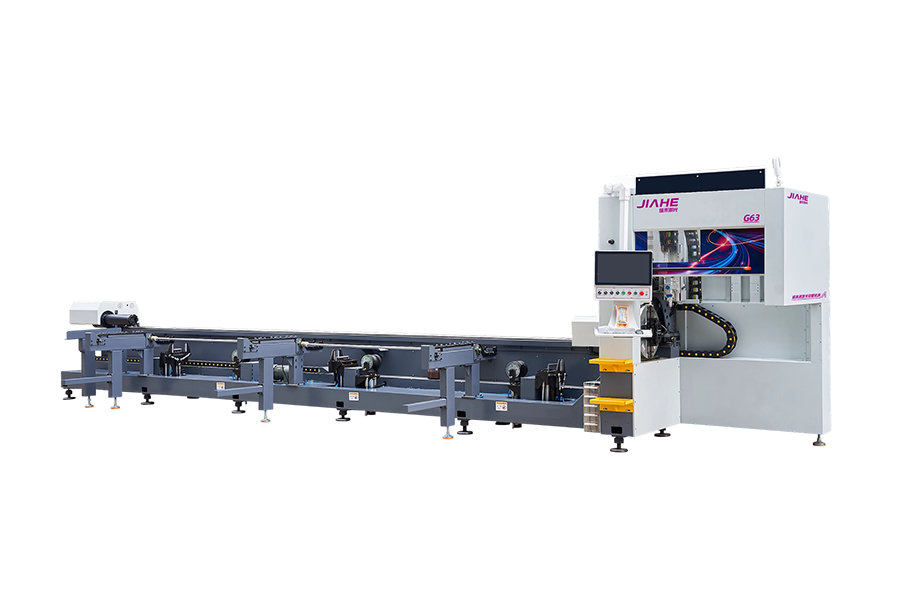
Precision and Efficiency with CNC Laser Pipe Cutting
CNC laser pipe cutting systems provide unparalleled accuracy and repeatability. Modern buyers emphasize the ability to achieve complex geometries with minimal material waste. Overseas engineers and project managers value features such as programmable cutting paths, high-speed operation, and the capacity to handle diverse pipe diameters and thicknesses. These systems reduce manual labor, shorten production cycles, and ensure consistent quality across large batches, making them ideal for industrial applications that demand both speed and precision.
Flexibility and Accessibility of Manual Pipe Cutting Machines
While automation is driving efficiency, manual pipe cutting machines remain crucial for workshops and small-scale fabricators. Their simplicity, portability, and ease of maintenance make them attractive to buyers who prioritize cost-effectiveness and hands-on control. Social media discussions highlight their suitability for rapid prototyping, emergency repairs, and custom pipe fabrication. By offering intuitive operation and low setup requirements, these machines remain an important tool in the toolkit of smaller operations and individual artisans.
Applications Across Industries
Both CNC and manual cutting technologies are widely applied across sectors. In construction, precise pipe cutting ensures seamless installations for HVAC, plumbing, and structural frameworks. Automotive industries rely on accurate metal tubing for exhaust systems, chassis components, and protective frameworks. Additionally, furniture and interior design projects increasingly demand custom-shaped pipes and tubular structures, highlighting the versatility of these machines. Understanding application requirements allows manufacturers to recommend the most suitable cutting technology for each project.
Material Considerations and Cutting Performance
Material type and thickness directly affect cutting performance and equipment selection. CNC laser systems can handle stainless steel, carbon steel, aluminum, and alloy tubes with high precision, while manual machines perform well with thinner or softer metals. Buyers frequently discuss surface quality, edge smoothness, and post-processing requirements in forums and professional networks. Reliable suppliers ensure that both automated and manual solutions meet material-specific demands without compromising efficiency or quality.
Energy Efficiency, Maintenance, and Cost Implications
CNC laser systems, though capital-intensive, provide long-term savings through reduced waste and labor costs. Energy-efficient designs, automated monitoring, and minimal downtime are key selling points for overseas buyers. Manual machines, on the other hand, require limited energy input and low maintenance, offering a budget-friendly option for smaller operations. Evaluating total cost of ownership, including energy, maintenance, and consumables, is increasingly emphasized in professional discussions on LinkedIn and other industry platforms.
Selecting Reliable Suppliers
Overseas buyers prioritize manufacturers with proven production capabilities, transparent specifications, and strong after-sales support. Suppliers who provide clear documentation, training, and responsive service help buyers optimize both CNC Laser Pipe Cutting and Manual Pipe Cutting Machine usage. Trustworthy suppliers differentiate themselves by offering consistent performance, customization options, and scalable solutions to meet diverse project requirements.
Future Trends in Pipe Cutting Technology
The pipe cutting industry is moving toward hybrid solutions that integrate automation, smart monitoring, and advanced software. CNC systems are expected to include predictive maintenance, IoT connectivity, and enhanced material handling. Meanwhile, innovations in manual machines aim to improve portability, safety, and ergonomics. Manufacturers that embrace both precision automation and practical manual solutions are positioned to serve a broader range of global clients effectively.
By offering a combination of CNC Laser Pipe Cutting and Manual Pipe Cutting Machine, companies provide flexible, reliable, and efficient pipe fabrication solutions that meet the evolving demands of international industries, from large-scale industrial projects to small workshop operations.
 +86-0576-88365555
 +86-18858615555 / +86-15958622266
 No. 3, Building 9, Pan'ao Pioneer Park, Daxi Town, Wenling City, Taizhou City, Zhejiang Province, China