
 en
en English
 中文简体
中文简体 русский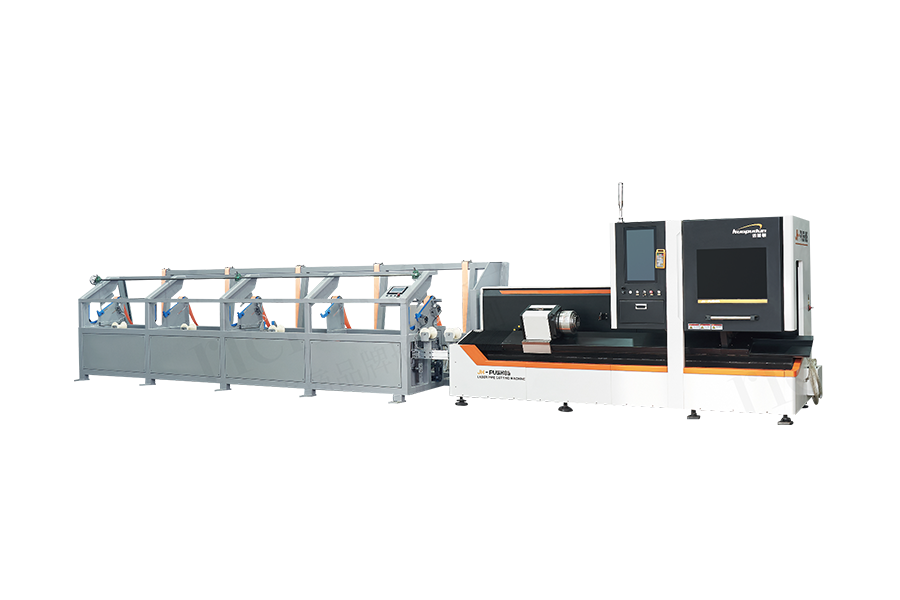
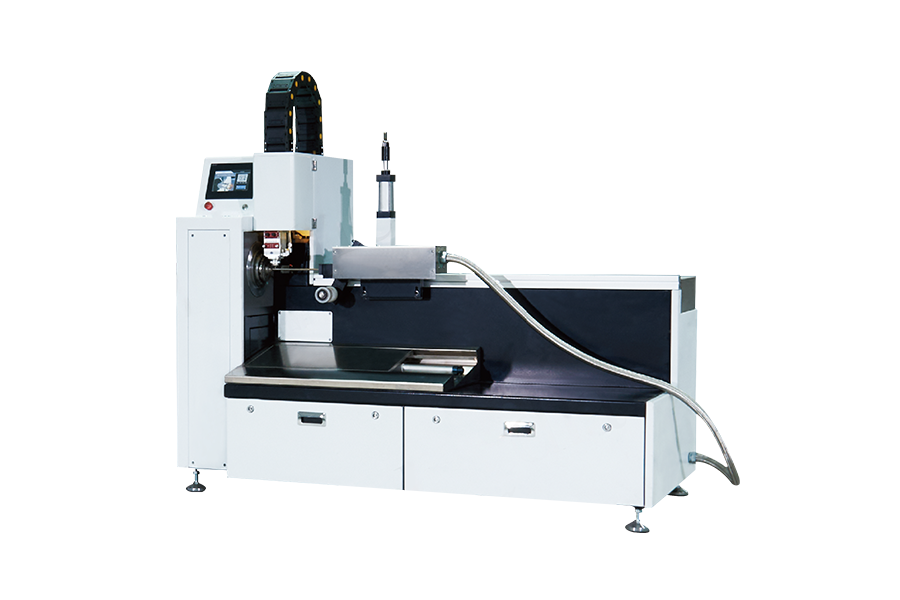
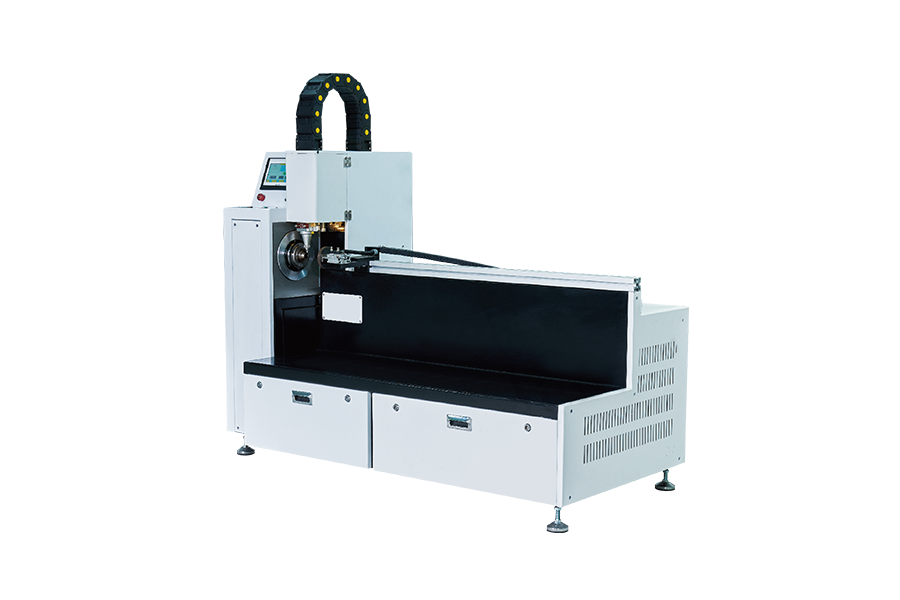
Professional R&D, production, sales and after-sales integration.
We have many years of experience in R&D of automation technology and laser technology
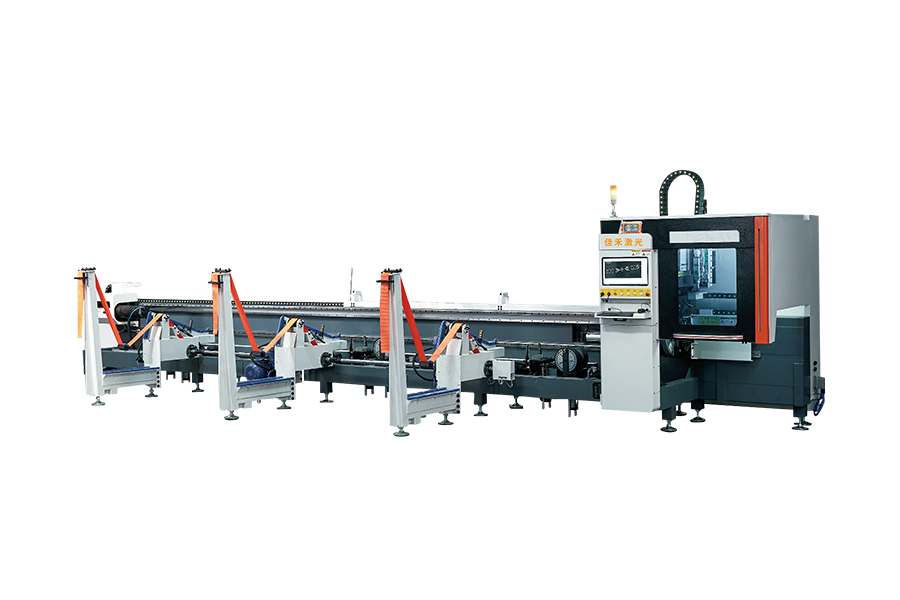
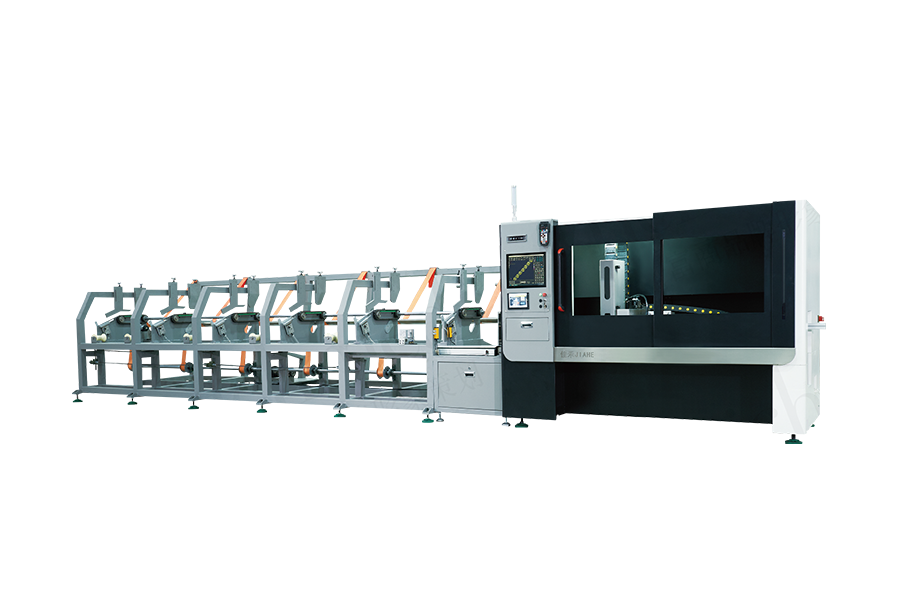
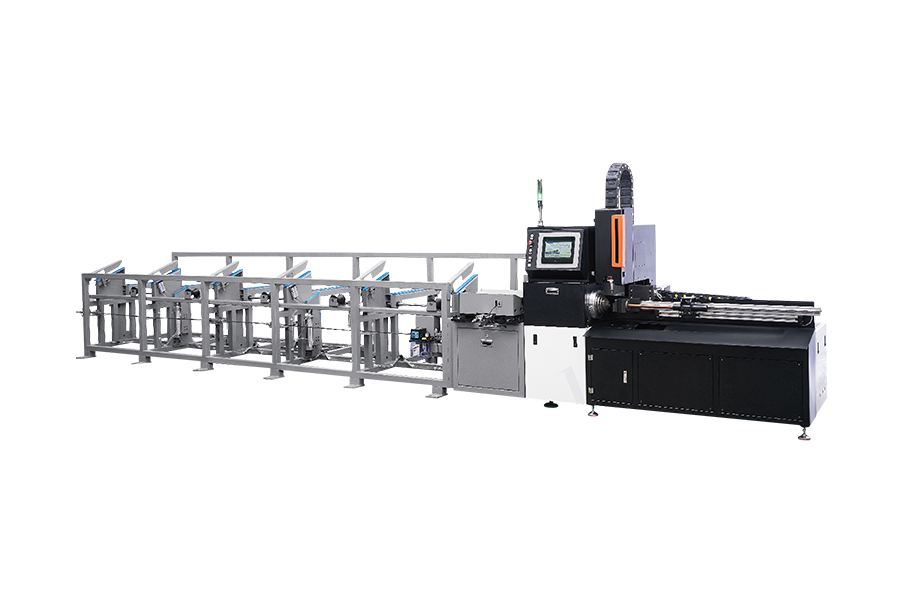
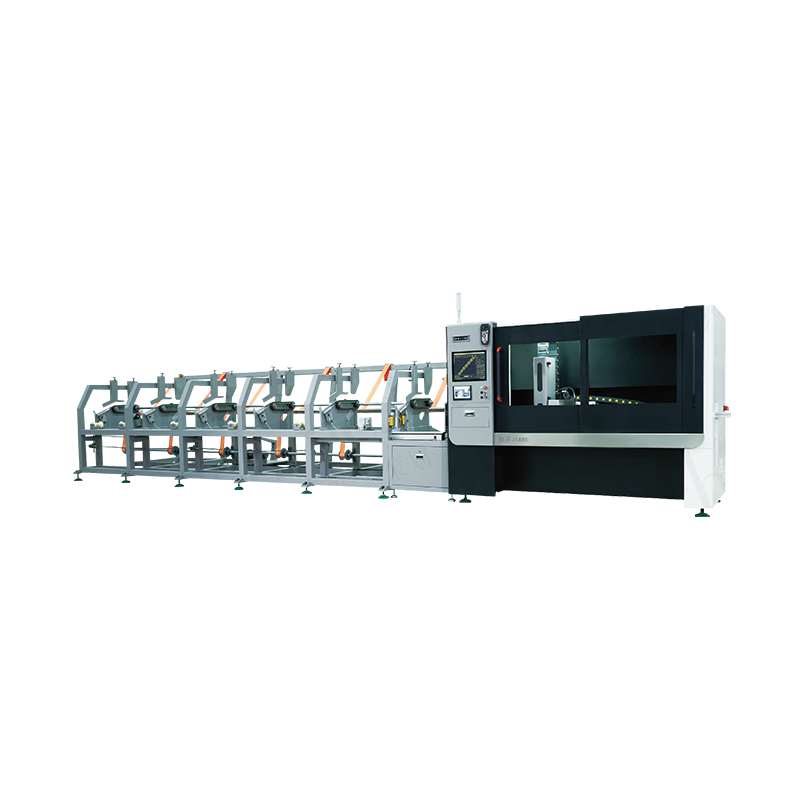
Across global manufacturing discussions, one topic continues to rise in visibility: the accelerating shift toward digitally enhanced cutting solutions. Fabricators, metalworking shops, and industrial designers are increasingly seeking tools that offer predictable, data-guided performance. In this environment, the Tube Cutting Machine has become a frequently referenced upgrade in online conversations, while the precision and flexibility offered by CNC Laser Pipe Cutting make it a compelling choice for businesses aiming to modernize their workflows.
Why Are Fabricators Demanding Greater Adaptability From Cutting Tools?
In a world where production requirements change at a rapid pace, versatility has become more important than ever before. Companies face fluctuating order sizes, diverse material types, and evolving product designs. Traditional equipment often struggles to adjust quickly, creating delays and inconsistencies.
What makes modern tube-cutting equipment appealing is its ability to shift between different pipe diameters, wall thicknesses, and material structures with minimal interruption. This adaptability empowers workshops to respond faster to market demands and broaden their service capabilities without purchasing multiple machines.
Is Precision the Hidden Competitive Advantage?
Across professional forums, engineers frequently discuss how even small deviations in cutting accuracy can affect downstream processes. A pipe with rough or uneven edges slows welding, assembly, surface finishing, and inspection. This chain reaction not only increases production time but also raises the likelihood of rework.
Advanced cutting solutions attract attention because they support repeatable precision. Their stable cutting trajectory gives manufacturers more control over quality, especially in projects involving custom structures, integrated components, or specialized metal frameworks. For companies handling high-mix production, predictable accuracy becomes an essential advantage.
What Role Does Digital Integration Play in Today’s Workshops?
As global industries adopt smart manufacturing practices, digital connectivity is becoming a major purchasing factor. Many companies now rely on software-driven processes to manage design files, track job progress, and streamline the transfer of technical information.
CNC-based cutting technology aligns perfectly with this shift. It allows operators to import digital cutting paths, store multiple profiles, and make adjustments using intuitive control interfaces. This reduces operator training time and ensures that each job follows the same predefined parameters. As a result, fabricators gain higher consistency while strengthening communication between engineering and production teams.
Are Companies Prioritizing Operational Safety More Than Ever?
Safety is becoming a core expectation rather than a secondary feature. Workshops understand that manual cutting introduces risks related to blade exposure, inconsistent pipe handling, and operator fatigue. With social media highlighting workplace safety incidents, businesses have grown more cautious.
Modern cutting equipment incorporates advanced clamping structures, smoother feeding mechanisms, and protective systems that limit direct operator contact. By reducing human involvement in hazardous steps, automated cutters help create a more controlled and secure working environment—an important consideration for international buyers concerned about regulatory compliance and employee well-being.
Why Is Workflow Efficiency Driving Purchasing Decisions?
Many companies report that one of their biggest challenges is managing production flow. Sudden order increases, tight delivery timelines, and complex custom specifications can overwhelm older equipment. Workshops that experience bottlenecks often struggle to maintain reliable delivery schedules.
Upgraded cutting systems offer improved workflow efficiency by supporting continuous operation, faster setup switches, and stable cutting performance across different tasks. This consistency allows manufacturers to plan their production schedules with greater confidence and take on more diverse customer requests without compromising output quality.
How Does Long-Term Reliability Influence Buyer Confidence?
With global competition intensifying, businesses must invest in tools that not only perform well but also remain dependable throughout their service life. Reliability directly affects maintenance planning, downtime prevention, and overall productivity.
Online industrial communities often highlight how modern cutting solutions contribute to stable long-term operation. Their combination of controlled movement, optimized cutting paths, and durable components gives users peace of mind—especially when handling demanding workloads or frequent production shifts.
As digital transformation accelerates across manufacturing, companies are increasingly recognizing the value of advanced equipment such as the Tube Cutting Machine and CNC Laser Pipe Cutting. Their precision, adaptability, and intelligent features make them valuable assets for workshops committed to long-term capability, consistent quality, and modern production performance.
 +86-0576-88365555
 +86-18858615555 / +86-15958622266
 No. 3, Building 9, Pan'ao Pioneer Park, Daxi Town, Wenling City, Taizhou City, Zhejiang Province, China