
 en
en English
 中文简体
中文简体 русский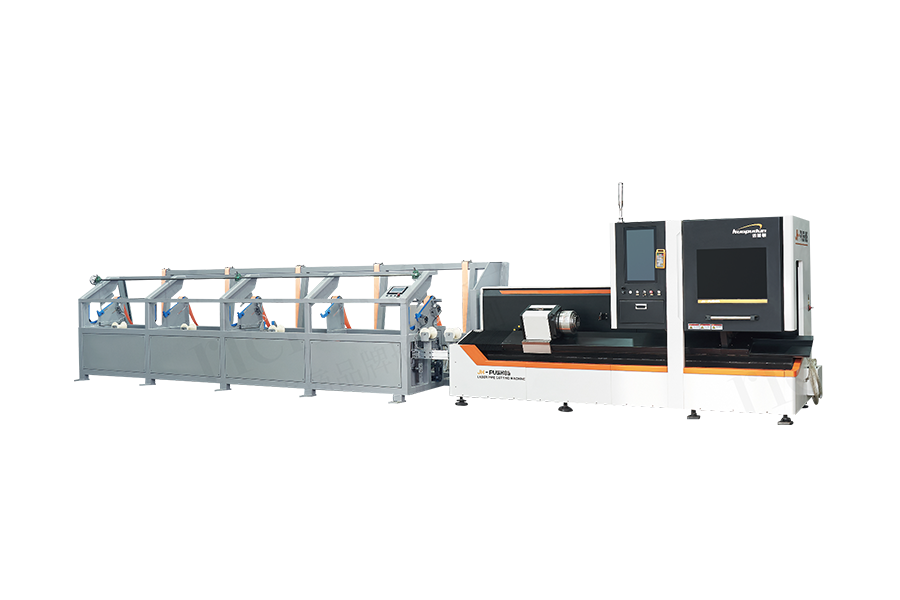
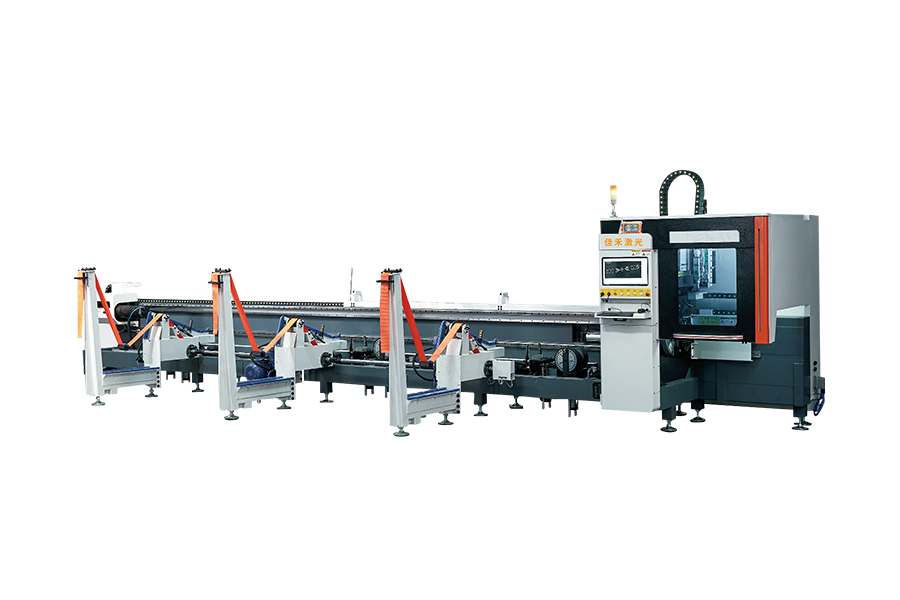
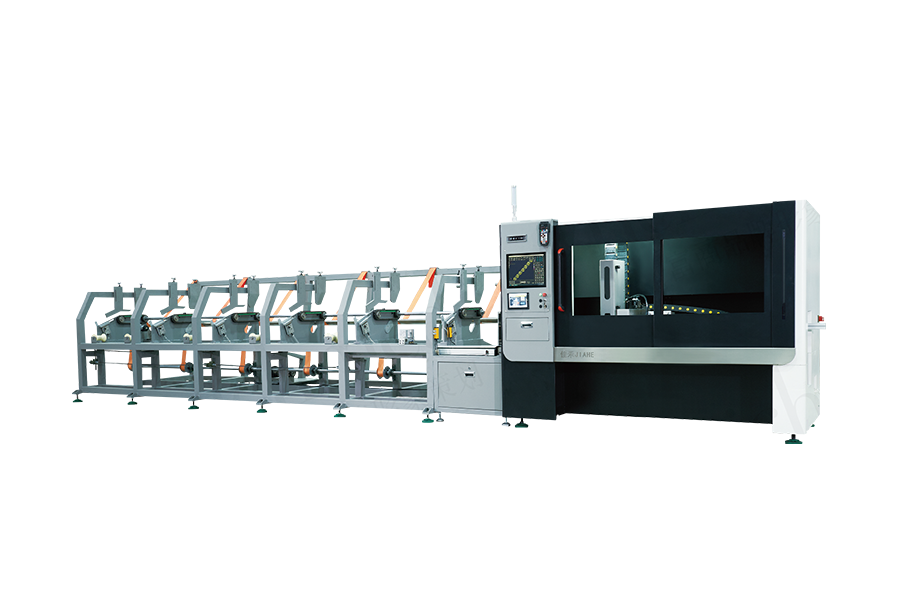
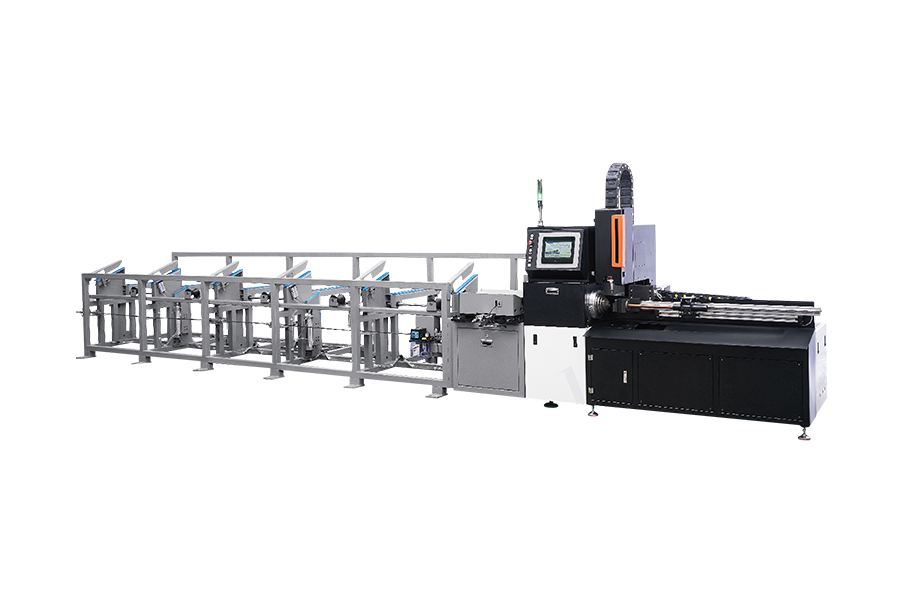
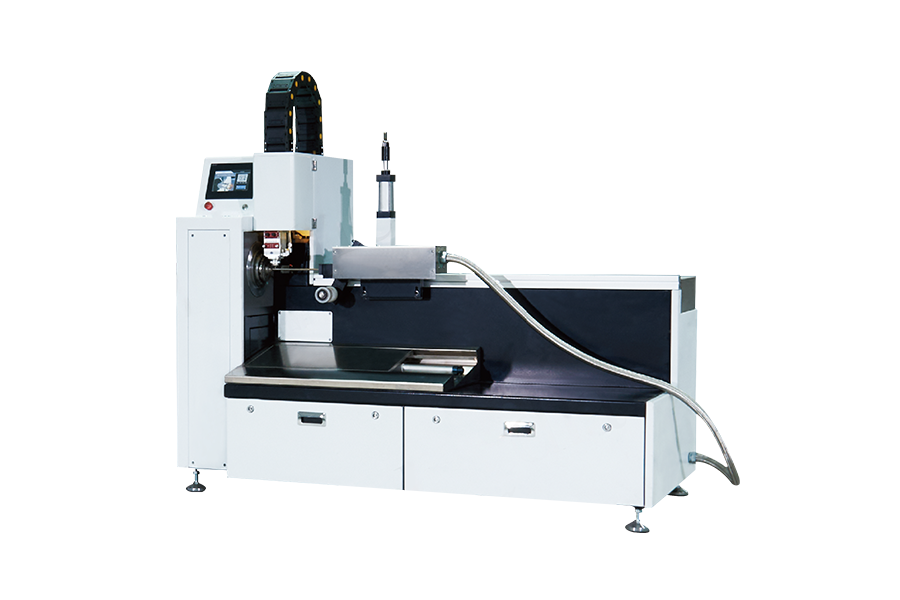
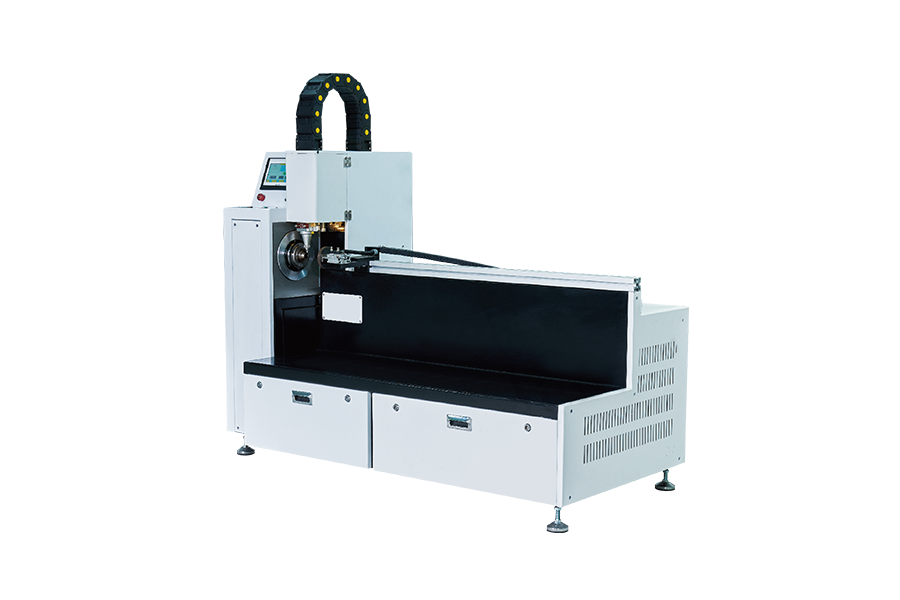
Professional R&D, production, sales and after-sales integration.
We have many years of experience in R&D of automation technology and laser technology
Across global metal processing, automotive parts production, and structural fabrication industries, automation is becoming the dominant direction for production upgrades. Recent search behavior such as tube laser cutting automation line integration, CNC pipe cutting cycle time reduction, bevel cutting laser machine industrial use, and CNC Laser Pipe Cutting Manufacturers shows that buyers are no longer only asking about cutting capability—they are focused on production flow efficiency, software integration, and long-term stability in unmanned or semi-unmanned manufacturing environments.
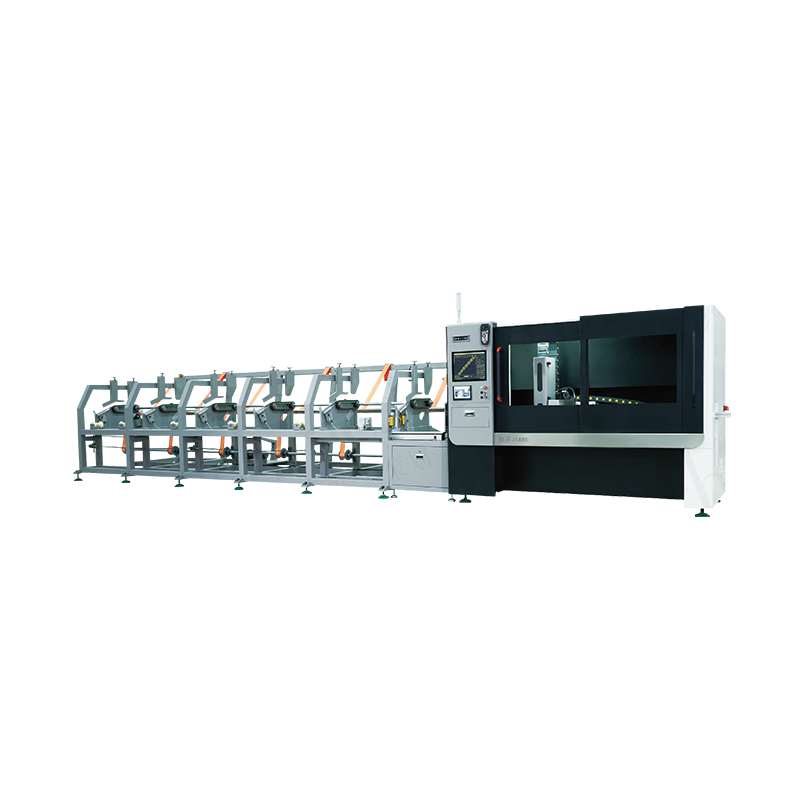
Why Manual Pipe Cutting Can No Longer Support Mass Production
Traditional pipe cutting methods struggle to keep up with modern production speed requirements, especially when dealing with complex geometries and high-volume orders.
Key operational limitations include:
- Slow setup time for each batch change
- Inconsistent cutting accuracy across operators
- High dependency on manual measurement and alignment
- Frequent tool wear and replacement interruptions
- Limited ability to handle complex multi-angle cuts
These issues significantly reduce production efficiency in large-scale manufacturing.
How CNC Laser Systems Improve Production Continuity
CNC laser pipe cutting technology introduces continuous, programmable production flow that reduces human intervention and increases consistency.
Key performance improvements include:
- Fully programmable cutting paths via CAD/CAM systems
- Automatic tube feeding and positioning systems
- Reduced cycle time per pipe section through optimized laser path planning
- Stable cutting performance across long production runs
- Minimal need for post-cut finishing operations
This allows manufacturers to achieve higher throughput with fewer interruptions.
Why Precision Control Is Critical for Industrial Tube Fabrication
In modern engineering applications, dimensional accuracy directly affects downstream assembly quality, welding efficiency, and structural stability.
Key precision-related improvements include:
- Cutting tolerance control typically within ±0.05–0.1 mm range (machine configuration dependent)
- High repeatability across identical batch components
- Stable edge quality for direct welding applications
- Reduced deformation caused by thermal stress control
- Accurate multi-axis cutting for complex pipe geometry
These features reduce rework and improve final assembly efficiency.
Automation Integration Is Becoming a Core Purchasing Requirement
Industrial buyers are increasingly prioritizing machines that can integrate into smart factory systems rather than standalone equipment.
Key integration features include:
- ERP and MES system connectivity for production tracking
- Automatic nesting software for material optimization
- Real-time monitoring of machine status and output
- Remote diagnostics and maintenance alerts
- Data-driven production optimization tools
This supports smarter, more efficient manufacturing operations.
Material Processing Capability Expands Application Scope
Modern CNC laser pipe cutting systems are designed to handle a wide range of industrial materials, allowing manufacturers to serve multiple sectors.
Common materials include:
- Carbon steel structural pipes
- Stainless steel for hygiene and chemical resistance applications
- Aluminum alloys for lightweight structural designs
- Galvanized steel for construction frameworks
- Special alloy tubes for energy and mechanical systems
This versatility makes the technology suitable for diversified production needs.
How Manufacturers Reduce Total Production Cost Through Automation
Automation is not only about speed—it directly affects cost efficiency across multiple production stages.
Key cost-saving factors include:
- Reduced labor dependency in repetitive cutting operations
- Lower material waste through optimized cutting paths
- Decreased rework due to higher precision output
- Shorter production cycles improving order turnaround
- Reduced downtime through predictive maintenance systems
These advantages significantly improve overall manufacturing profitability.
What Buyers Expect from CNC Laser Pipe Cutting Manufacturers
Global procurement teams now evaluate suppliers based on system capability, integration flexibility, and long-term service support.
Key expectations include:
- Stable laser power performance under continuous operation
- Multi-diameter tube processing capability
- User-friendly control software and upgrade support
- Reliable mechanical structure for long production cycles
- Technical support for automation line integration
These factors are critical in large-scale industrial investment decisions.
Looking Ahead: Fully Automated Tube Processing Will Define Future Manufacturing
As global manufacturing continues to evolve toward smart factories and digital production systems, CNC laser tube cutting technology will become a core part of automated fabrication lines. Future development will focus on faster cycle speeds, deeper AI-based optimization, and seamless integration with robotic handling systems.
For industrial buyers and engineering planners, choosing experienced CNC Laser Pipe Cutting Manufacturers is a strategic decision that directly impacts production efficiency, automation capability, and long-term competitiveness in global manufacturing markets.
 +86-0576-88365555
 +86-18858615555 / +86-15958622266
 No. 3, Building 9, Pan'ao Pioneer Park, Daxi Town, Wenling City, Taizhou City, Zhejiang Province, China