
 en
en English
 中文简体
中文简体 русский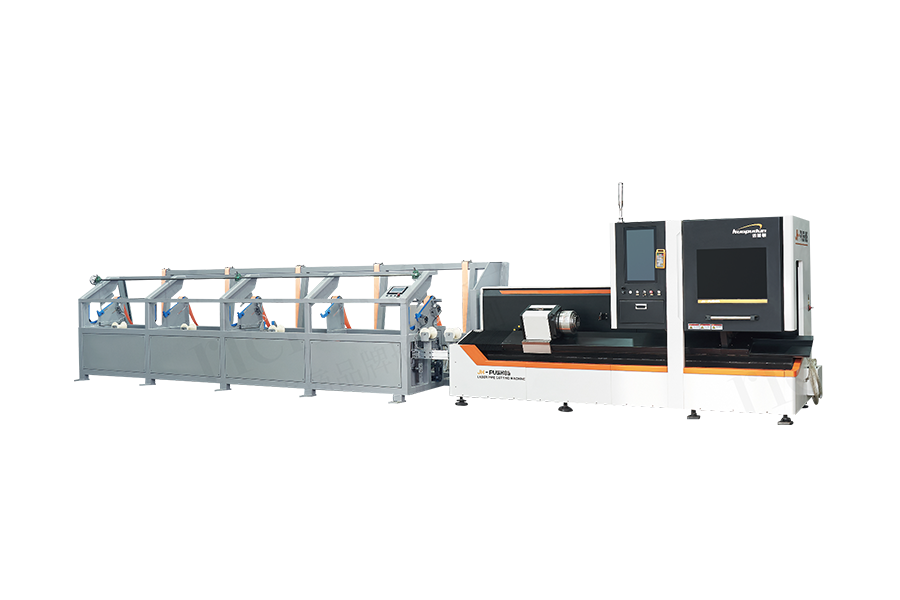
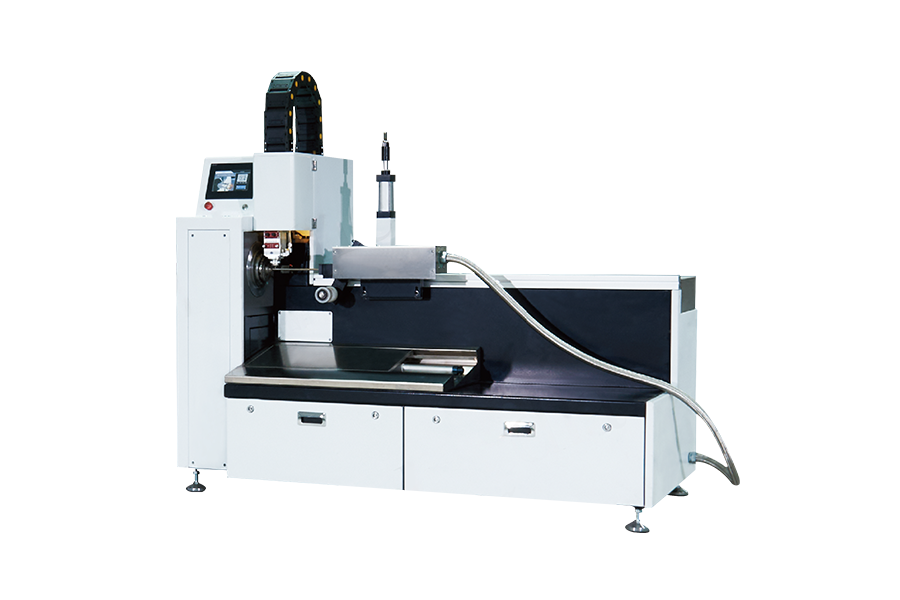
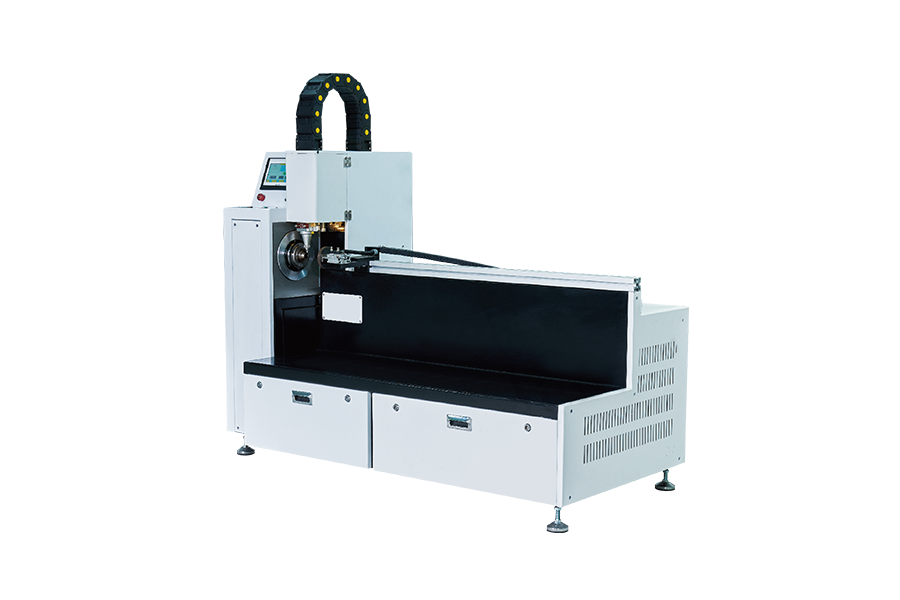
Professional R&D, production, sales and after-sales integration.
We have many years of experience in R&D of automation technology and laser technology
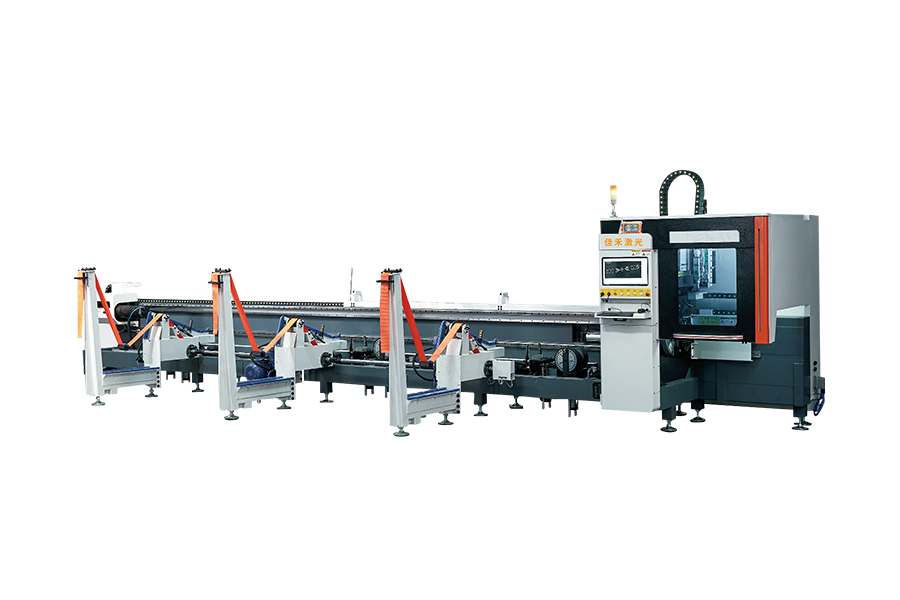
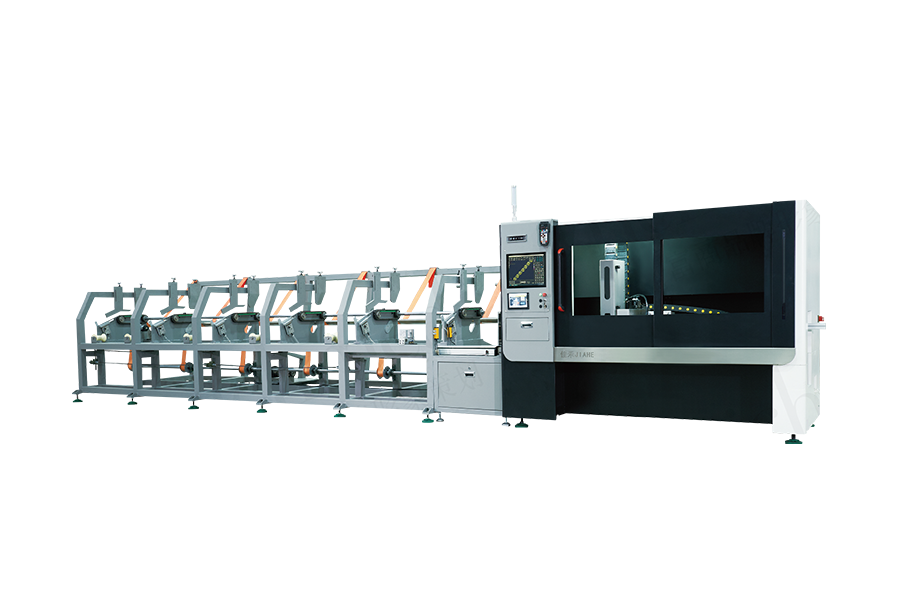
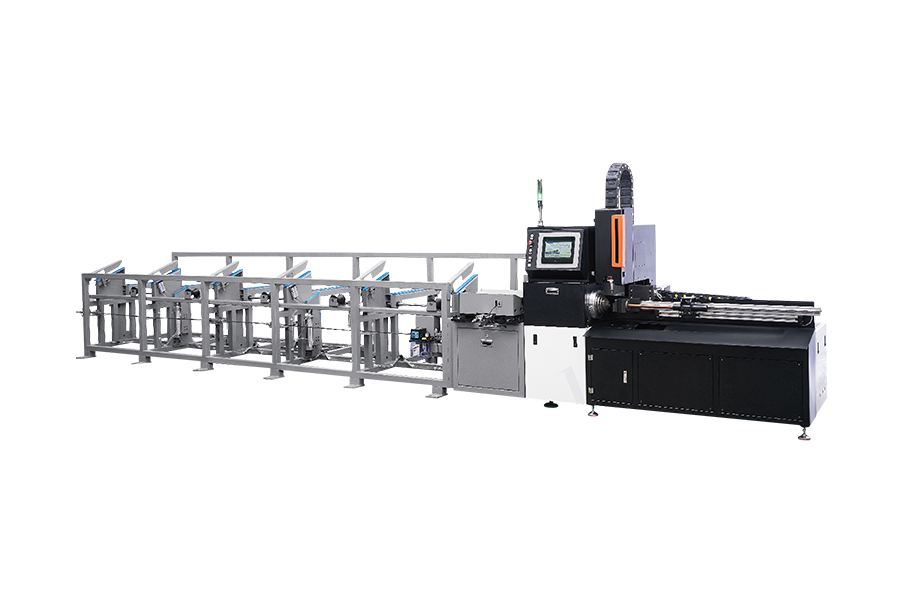
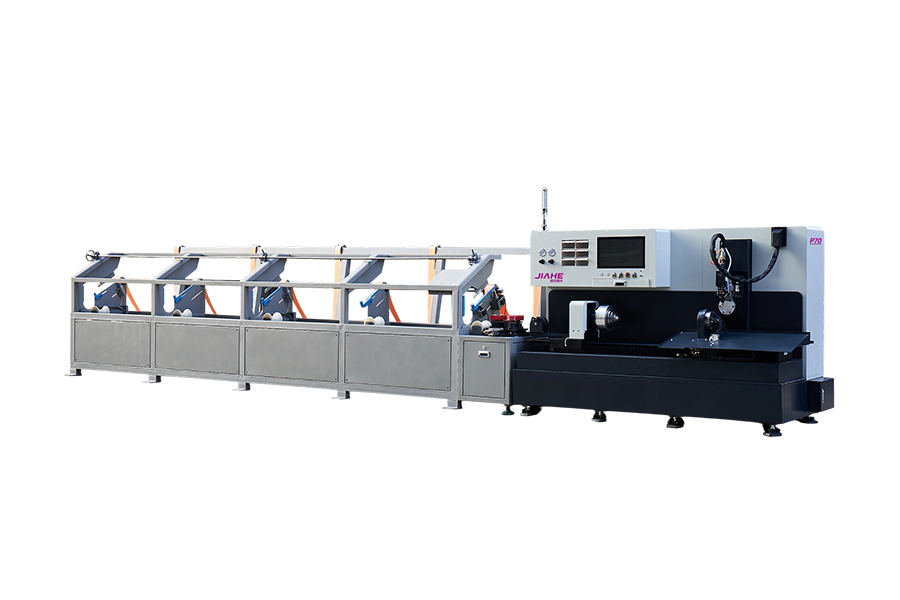
In today’s metal fabrication and industrial manufacturing sectors, demand for higher precision, faster turnaround, and reduced post-processing is reshaping how pipe cutting is performed. Recent search trends such as fiber laser pipe cutting accuracy tolerance, automatic tube cutting and beveling system, stainless steel CNC pipe cutting burr-free solution, and CNC Laser Pipe Cutting Manufacturers show that global buyers are no longer only comparing machine price—they are evaluating cutting precision, automation level, and material adaptability across different industrial applications.
Why Traditional Pipe Cutting Methods Are Being Replaced
Conventional mechanical sawing, drilling, or plasma cutting methods often struggle to meet modern precision requirements, especially in industries like automotive, construction, and energy systems.
Common limitations include:
- Inconsistent cutting edges requiring secondary finishing
- High material deformation during high-speed cutting
- Limited ability to handle complex tube profiles
- Increased tool wear and frequent replacement cycles
- Lower efficiency in mass production environments
These challenges are driving the shift toward CNC laser-based solutions.
How CNC Laser Technology Improves Cutting Precision
CNC laser pipe cutting systems use focused laser beams controlled by digital programming, allowing extremely accurate and repeatable cutting results.
Key performance advantages include:
- Cutting accuracy typically within ±0.05–0.1 mm range (machine-dependent)
- Smooth cutting edges with minimal or no burr formation
- Ability to process complex geometries and multi-angle cuts
- Reduced thermal distortion compared to traditional plasma cutting
- High repeatability for large-volume production batches
This makes laser cutting ideal for precision engineering industries.
Why Automation Has Become a Procurement Priority
Modern manufacturing buyers are increasingly focused on reducing manual intervention and improving production consistency. CNC laser systems support fully automated workflows.
Automation benefits include:
- Automatic loading and unloading systems for continuous operation
- CAD/CAM integration for direct design-to-production workflow
- Reduced dependency on manual measurement and marking
- Lower labor cost per production cycle
- Improved batch consistency across long production runs
This is especially important for high-volume industrial supply chains.
Material Compatibility Expands Industrial Applications
One of the key advantages of CNC laser pipe cutting is its ability to handle a wide range of metal materials used across industries.
Commonly processed materials include:
- Carbon steel and structural steel tubing
- Stainless steel for food-grade and chemical applications
- Aluminum alloy pipes used in transportation and aerospace
- Galvanized steel for construction frameworks
- Copper and specialty alloy tubes for electrical systems
This versatility makes the technology widely applicable across multiple sectors.
Why Cutting Quality Directly Impacts Downstream Costs
Cutting quality is not just about appearance—it directly affects welding efficiency, assembly time, and final product performance.
Key cost-related impacts include:
- Reduced need for grinding and edge finishing
- Improved welding fit-up accuracy
- Lower material waste due to precise nesting
- Reduced rework rates in assembly lines
- Faster downstream manufacturing processes
These advantages significantly improve overall production economics.
What Buyers Expect from CNC Laser Pipe Cutting Manufacturers
Procurement teams now evaluate suppliers based on machine capability, stability, and long-term technical support rather than just specifications.
Key evaluation factors include:
- Laser power stability and cutting consistency
- Tube diameter range compatibility (small to large industrial pipes)
- Software control system usability and upgrade support
- Machine uptime and maintenance cycle efficiency
- Availability of spare parts and technical service support
This helps ensure uninterrupted production in industrial environments.
Industry Applications Driving Market Growth
CNC laser pipe cutting technology is widely used across industries requiring high precision and structural reliability.
Typical applications include:
- Automotive chassis and exhaust system manufacturing
- Construction steel structure fabrication
- Industrial equipment frame production
- Agricultural machinery components
- Energy and pipeline infrastructure systems
Each application demands consistent accuracy and repeatable performance.
Smart Laser Cutting Will Define Future Fabrication Standards
As manufacturing continues to move toward digitalization and smart factories, CNC laser pipe cutting systems will play a central role in improving efficiency and precision. Future development will focus on higher automation levels, faster cutting speeds, and deeper integration with intelligent production systems.
For engineering buyers, fabricators, and industrial planners, selecting reliable CNC Laser Pipe Cutting Manufacturers is not just a purchasing decision—it is a long-term investment in production accuracy, operational efficiency, and manufacturing competitiveness in the global market.
 +86-0576-88365555
 +86-18858615555 / +86-15958622266
 No. 3, Building 9, Pan'ao Pioneer Park, Daxi Town, Wenling City, Taizhou City, Zhejiang Province, China