
 en
en English
 中文简体
中文简体 русский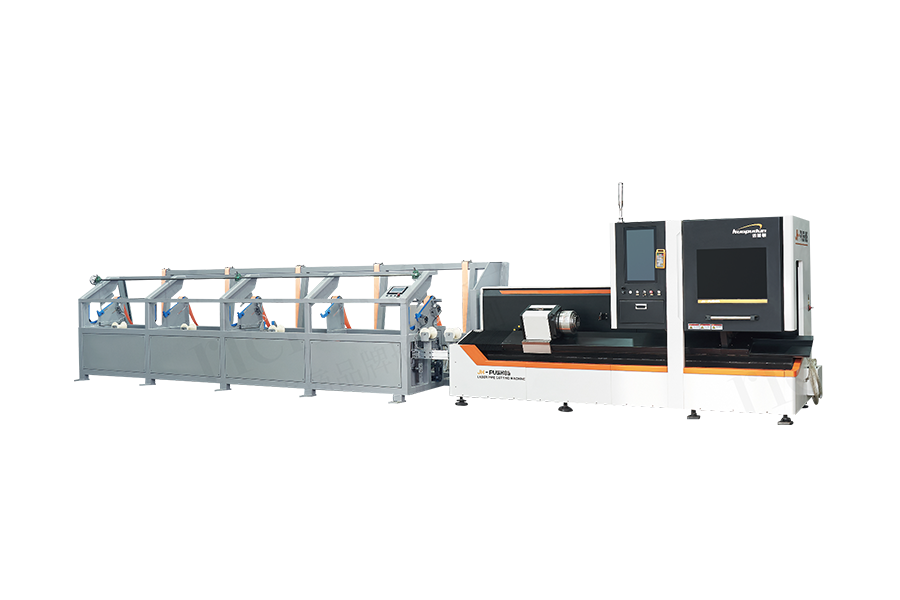
Professional R&D, production, sales and after-sales integration.
We have many years of experience in R&D of automation technology and laser technology
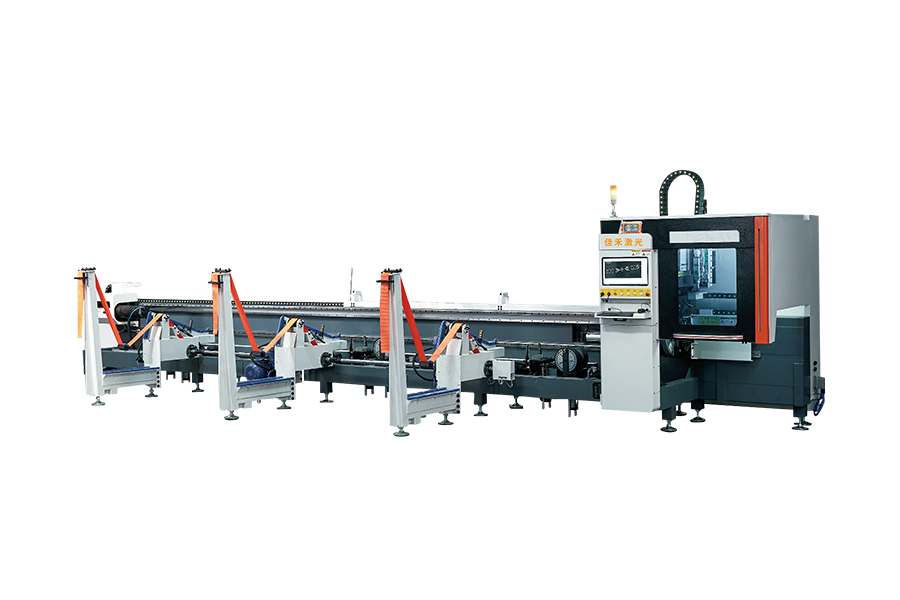
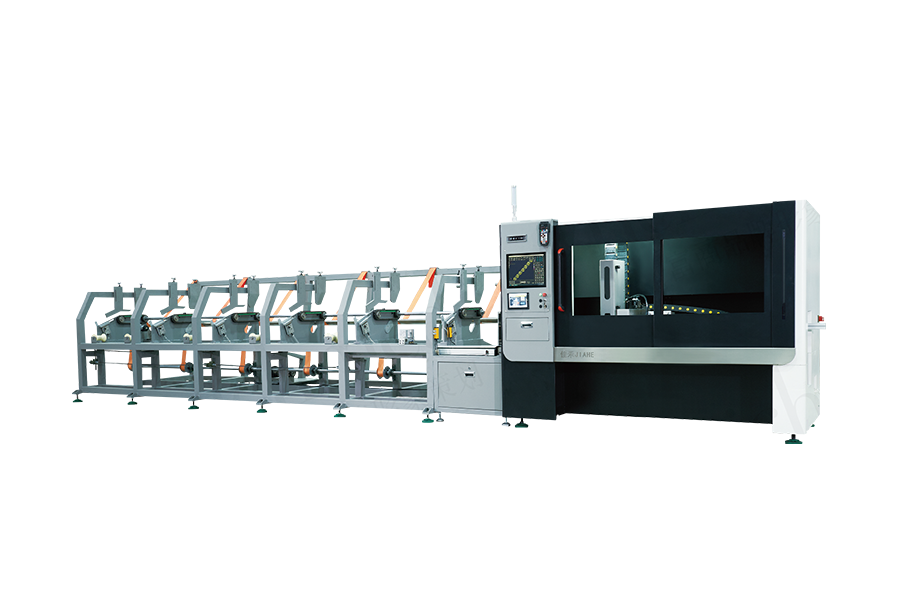
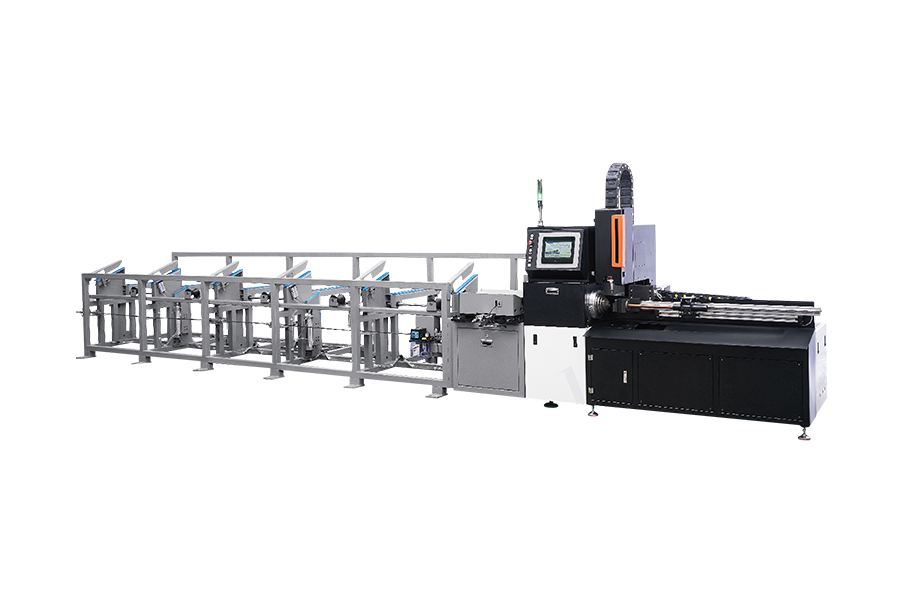
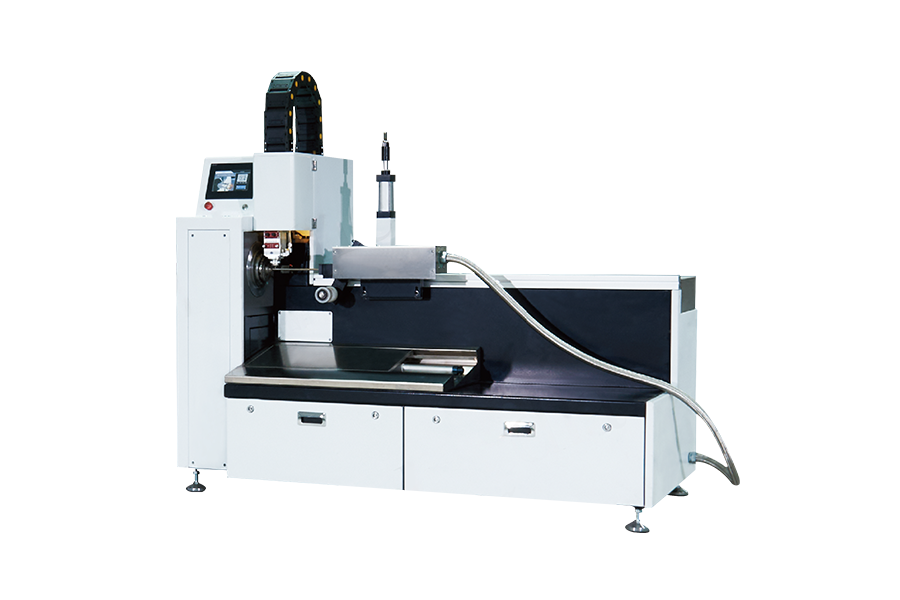
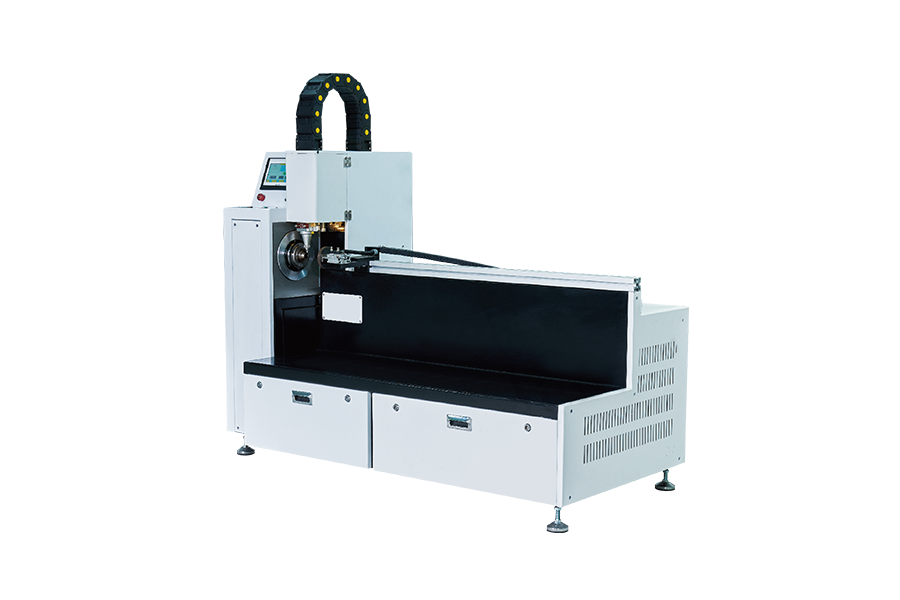
Global manufacturing conversations—especially those taking place on LinkedIn, YouTube industry channels, and metalworking forums—show a clear trend: businesses want faster, cleaner, and more automated ways to process metal tubing. As the demand rises for high-quality pipe components across automotive, construction, aerospace, and home appliance sectors, many professionals are turning their attention to advanced equipment such as the Tube Cutting Machine and CNC Laser Pipe Cutting systems. These two technologies are now frequently highlighted as essential tools for fabricators who require both precision and flexibility in modern production environments.

A New Wave of Automation Influencing Metalworking Workshops
Metalworking shops worldwide are rethinking their production setups. Previously, many relied on manual cutting tools or abrasive saws, which often produced uneven edges, inconsistent angles, and time-consuming secondary finishing. Today’s global conversation focuses heavily on automation—especially among small and medium-sized manufacturers who want to boost output without expanding labor teams.
Automated cutting systems allow operators to maintain smoother workflows, reduce manual intervention, and deliver higher-quality components. With growing social media discussions about labor shortages and rising production deadlines, automated tube and pipe cutting machinery is getting more attention than ever.
Precision as a Competitive Advantage in International Markets
Overseas industry communities frequently emphasize the need for superior precision. Whether companies manufacture lightweight transportation frames or structural components, accuracy in dimensions and cut angles directly influences the quality of the final product. A small deviation can lead to misalignment, which then affects assembly, strength, or overall product performance.
This shift toward exactness is motivating more manufacturers to adopt laser-based equipment. One of the biggest trends highlighted online involves businesses seeking machinery that reduces manual errors while achieving consistent surface results. As a result, laser-enabled cutting systems and modern tube cutting solutions are gaining recognition as smart investments that elevate manufacturing competitiveness.
Why Fabricators Prefer Clean Edges and Reduced Post-Processing
Another major topic across global forums is the growing interest in surface quality. Professionals increasingly look for cutting solutions that minimize burrs, heat marks, or material distortion. Clean edges not only reduce finishing time but also improve the reliability of parts used in demanding applications such as machinery piping, automotive structures, or metal furniture frames.
Traditional cutting tools often require heavy polishing afterward, which slows down the entire workflow. Automated cutting equipment, especially tools with laser capabilities, offers cleaner cuts that significantly reduce secondary processing. For businesses hoping to increase efficiency without compromising quality, this feature is often a deciding factor.
Flexibility: The New Requirement of Modern Pipe Fabrication
Today’s buyers want machinery capable of handling multiple pipe shapes, materials, and thicknesses. This flexibility becomes especially important for manufacturers handling mixed orders, prototype batches, or custom designs. Online discussions show that fabricators prefer machines that easily adapt to circular pipes, square sections, stainless steel, carbon steel, aluminum, and other materials without frequent tool changes.
In response to this need, advanced cutting solutions now incorporate intuitive software, quick-switch parameters, and integrated positioning systems. This adaptability helps even smaller workshops expand their service range while meeting varied customer requirements.
Digital Integration Transforming Production Planning
Manufacturing communities are increasingly talking about digital integration—particularly how automated equipment can connect with CAD software, production scheduling platforms, and real-time monitoring tools. This digital transformation trend is becoming central to overseas industrial growth.
Cutting systems equipped with smart interfaces enable operators to upload designs directly, monitor performance, and track part counts with greater clarity. This allows factories to stay more organized, reduce waste, and maintain clearer records for auditing or supply-chain communication.
As supply chains become more globalized, digital compatibility is now seen as an essential requirement rather than an optional upgrade.
Energy Efficiency and Environmental Considerations on the Rise
Eco-focused manufacturing is another widespread topic on social media, as companies seek cleaner and more resource-efficient production methods. Automated pipe-cutting equipment is often highlighted for its improved energy stability and reduced material waste.
These features align with the expectations of overseas customers who value sustainability and responsible production practices. Companies adopting advanced cutting tools often find it easier to meet modern environmental guidelines while maintaining competitive performance.
Advanced Pipe-Cutting Systems Are Becoming Essential to Global Fabrication
The international manufacturing landscape is evolving rapidly. Precision, automation, flexibility, and digital connectivity continue to shape purchasing decisions as companies adapt to global market demands. These growing expectations indicate that pipe-cutting technology—especially the Tube Cutting Machine and CNC Laser Pipe Cutting systems—will remain at the center of industry transformation for years to come, supporting manufacturers who seek reliable solutions for modern, high-quality metal processing.
 +86-0576-88365555
 +86-18858615555 / +86-15958622266
 No. 3, Building 9, Pan'ao Pioneer Park, Daxi Town, Wenling City, Taizhou City, Zhejiang Province, China