
 en
en English
 中文简体
中文简体 русский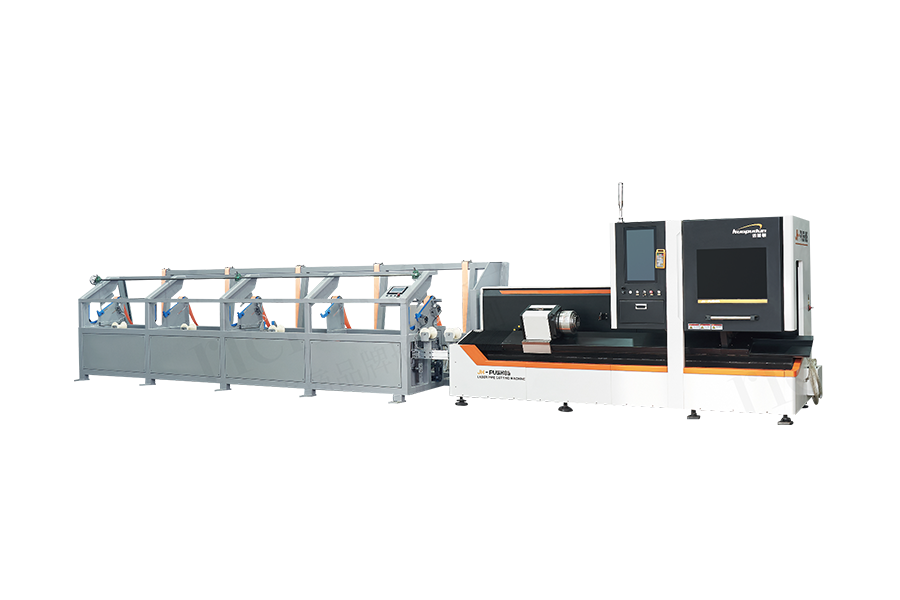
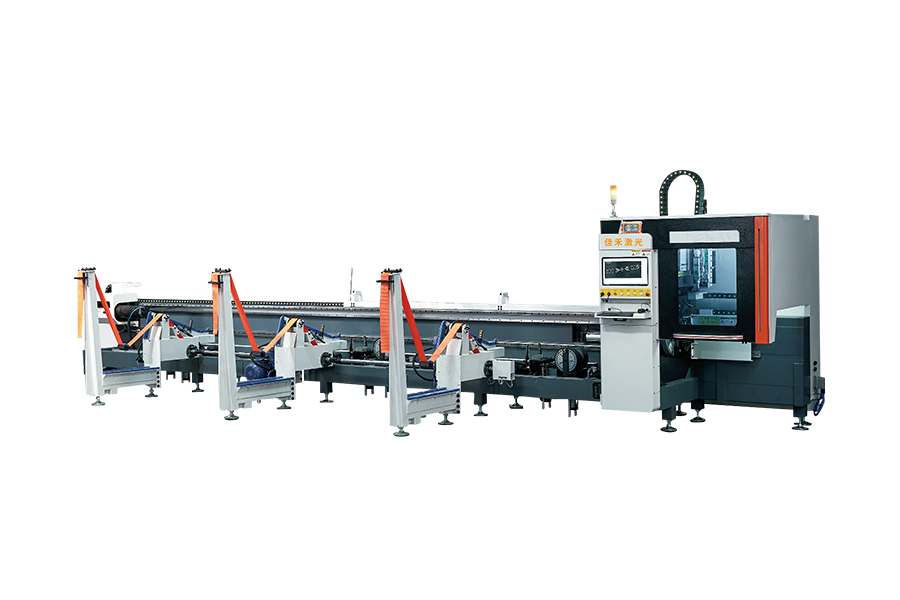
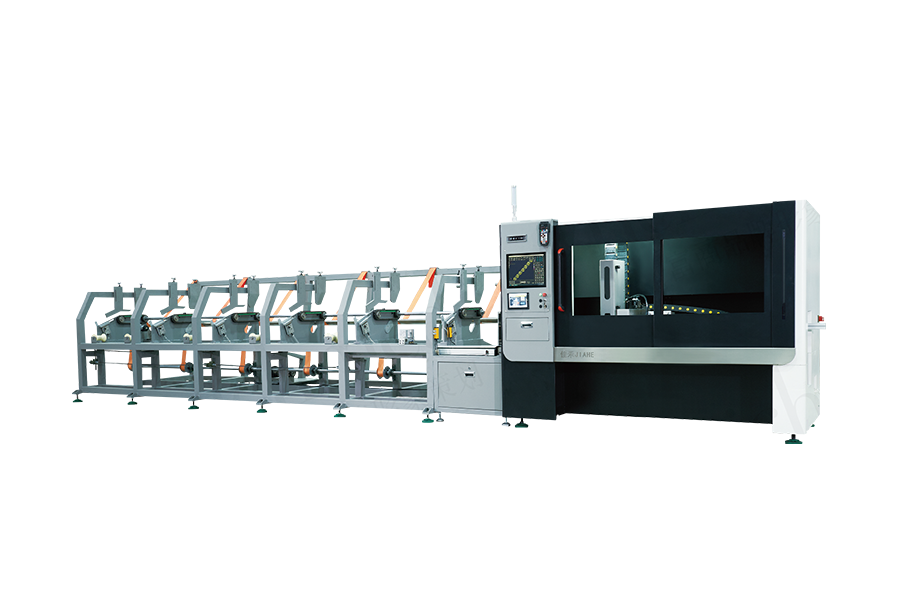
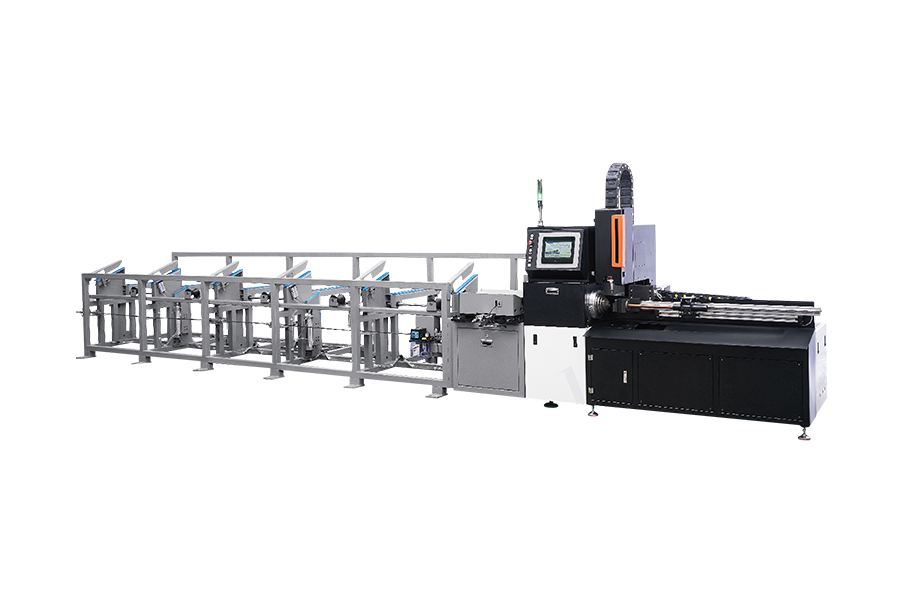
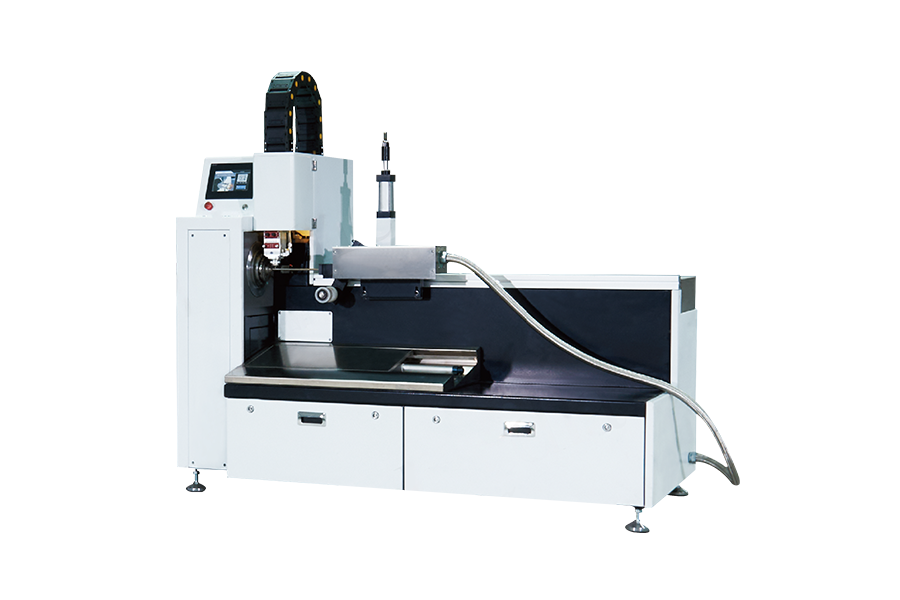
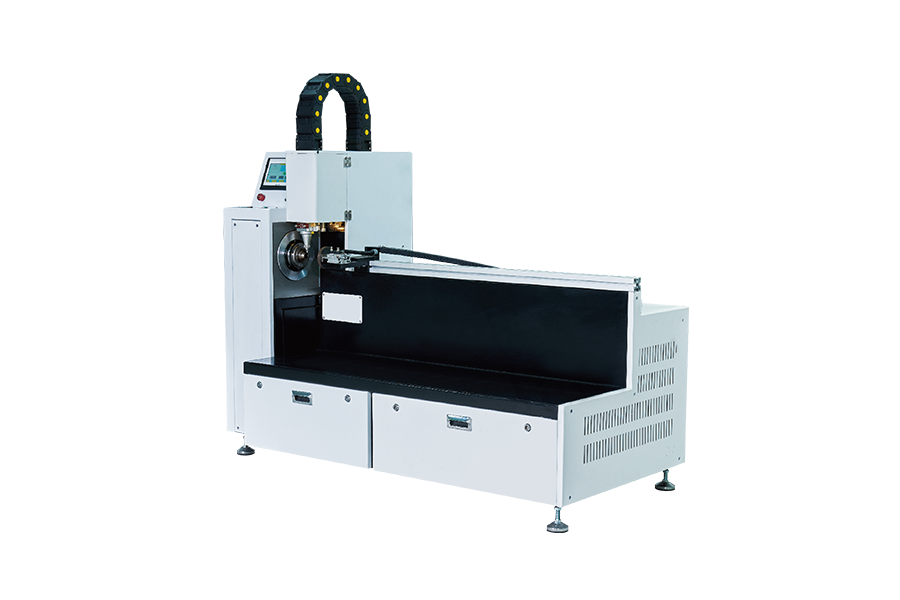
Professional R&D, production, sales and after-sales integration.
We have many years of experience in R&D of automation technology and laser technology
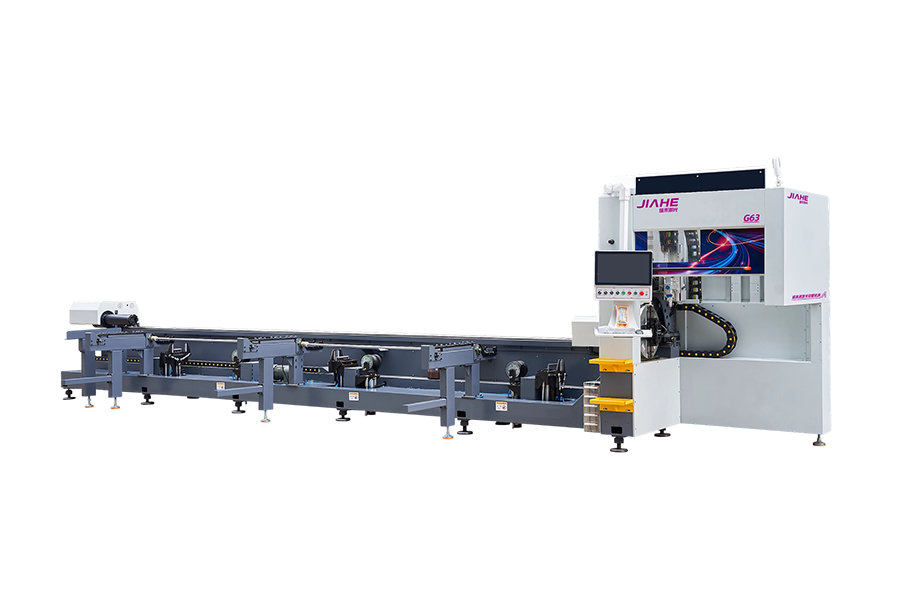
Across global manufacturing discussions, one topic keeps surfacing: the rising expectations for precision, efficiency, and cleaner cutting performance in metal fabrication. Industry professionals from automotive, machinery production, construction, and aerospace are sharing insights about how modern workshops are evolving. Much of this conversation revolves around the shift toward dependable equipment such as the Tube Cutting Machine and advanced CNC Laser Pipe Cutting solutions. These technologies are becoming central to how businesses manage increasingly complex production needs in competitive markets.
The Demand for Reliable Cutting Performance Is Growing
Manufacturers today deal with tight delivery schedules, expanding material varieties, and higher customer expectations. As a result, many are moving away from older cutting tools that require constant adjustments and generate inconsistent results. This shift is not only driven by productivity goals but also by the need for repeatable quality.
Online communities highlight that companies want cutting systems that perform steadily across different workloads. Fabricators prefer tools that withstand long operational hours while maintaining uniform edge quality. This preference is a major reason why automated pipe-cutting equipment is gaining popularity among overseas buyers.
Cleaner Edges Improve Downstream Production Efficiency
One of the strongest reasons for adopting modern pipe-cutting technologies is the desire to reduce secondary processing. Burr removal, smoothing, and corrective trimming can significantly slow down manufacturing lines. A smoother cut reduces labor and minimizes the risk of deforming sensitive materials.
Laser-based systems, in particular, are repeatedly discussed online as a way to achieve refined edges. Companies appreciate that high-quality cuts simplify welding, bending, assembly, or coating. This helps maintain a more stable workflow and ultimately supports better-performing products.
A Global Push Toward Automation in Metal Fabrication
Automation is no longer limited to large factories. Workshops of all sizes now want to minimize manual labor, improve accuracy, and operate with greater consistency. Social platforms show a steady rise in conversations about reducing operator fatigue and preventing common cutting errors.
Automated pipe-cutting solutions answer these needs by offering guided control, preset parameters, and reduced manual handling. This allows even less-experienced operators to achieve strong results. As manufacturing becomes more complex, automation is proving essential for staying competitive.
Versatility Matters: Companies Want Machines That Adapt Easily
Another key trend highlighted by industry professionals is versatility. Many businesses now handle mixed materials—ranging from stainless steel to copper, aluminum, and carbon steel. They also work with a wide range of pipe shapes and dimensions.
Because of this, manufacturers prefer equipment that adapts quickly to different tasks without requiring extensive setup. Cutting machines with adjustable fixtures, software-based custom cutting paths, and intuitive operating interfaces are receiving more attention. These features allow workshops to expand their service offerings and accept diverse project demands.
Digital Integration Is Transforming the Pipe-Cutting Workflow
As factories adopt smarter production systems, digital compatibility has become a priority. Overseas users frequently discuss the importance of CAD integration, data tracking, and automated measurement accuracy.
Modern cutting equipment now includes intelligent controllers that store cutting programs, record performance data, and interact with production-planning systems. This digital approach helps workshops improve scheduling, track material usage, and maintain clear documentation. For companies looking to modernize, digital integration is seen as a crucial foundation for long-term growth.
Safety and Operator Comfort Remain Major Considerations
Safety remains a key concern in metalworking environments. Manual cutting tools can increase the risk of injuries and accidents, especially when dealing with high-speed blades or flying metal fragments. Automated tube-cutting solutions help reduce these risks by incorporating enclosed cutting zones, stable material clamping, and guided operating procedures.
Operators also benefit from lower physical strain, since automated systems handle more of the heavy work. A safer, more comfortable workspace helps maintain productivity and reduces downtime.
Why the Market Is Embracing Advanced Cutting Solutions
With rising global demand for refined metal components, manufacturers are recognizing the value of dependable, automated cutting systems. Improved precision, efficient material usage, lower finishing costs, and strong adaptability make advanced machinery stand out among buyers.
Companies aiming to enhance product quality or expand to new markets increasingly view advanced cutting equipment as a strategic investment. These tools support long-term growth while helping manufacturers build stronger reputations for reliable production.
As industry requirements continue evolving, modern businesses see technologies like the Tube Cutting Machine and CNC Laser Pipe Cutting as essential assets that enable them to meet future challenges with confidence—now and in the years ahead.
 +86-0576-88365555
 +86-18858615555 / +86-15958622266
 No. 3, Building 9, Pan'ao Pioneer Park, Daxi Town, Wenling City, Taizhou City, Zhejiang Province, China