
 en
 English
 中文简体
 русский
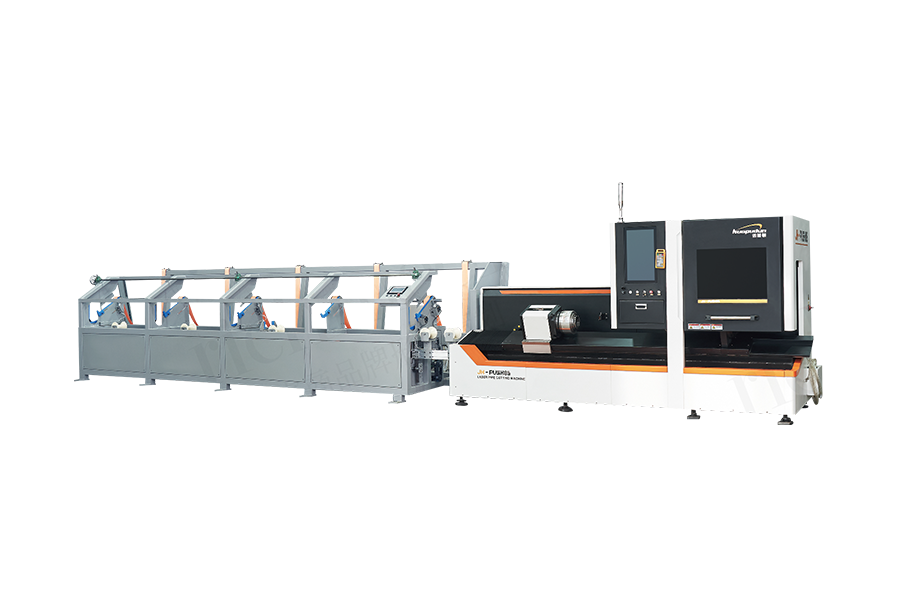
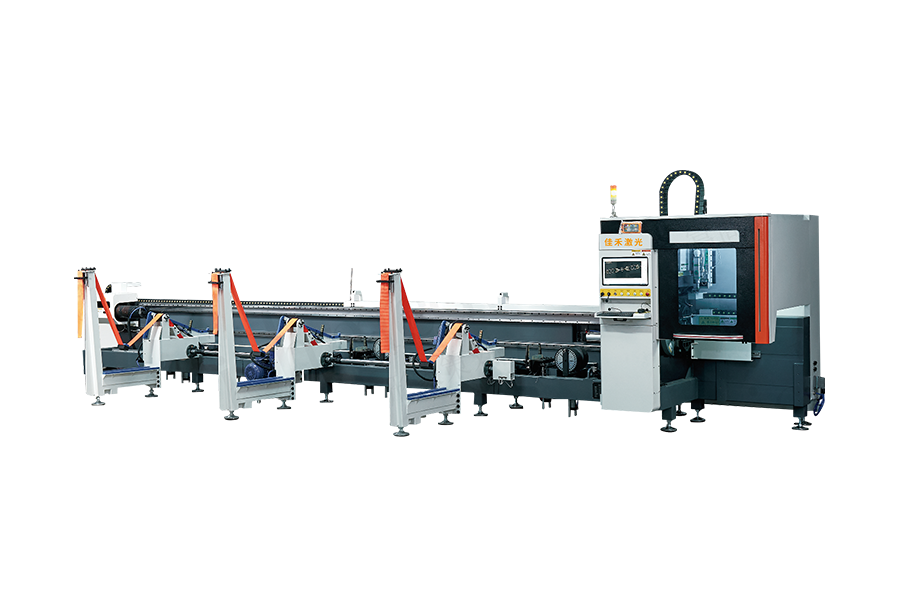
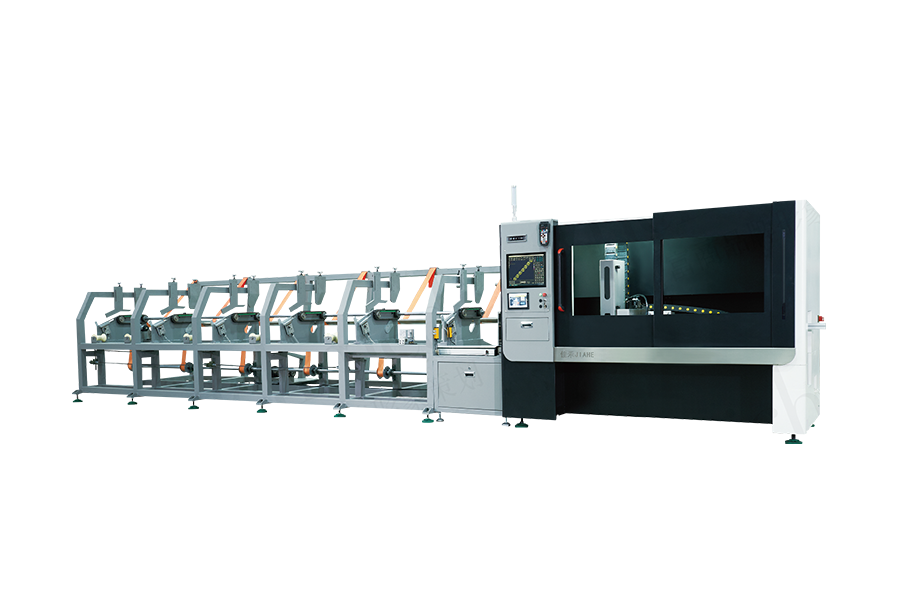
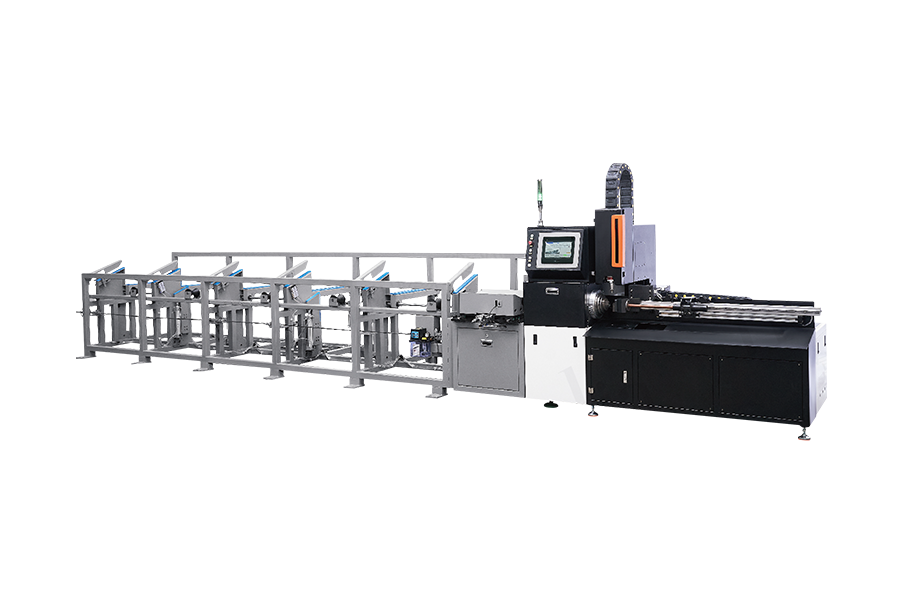
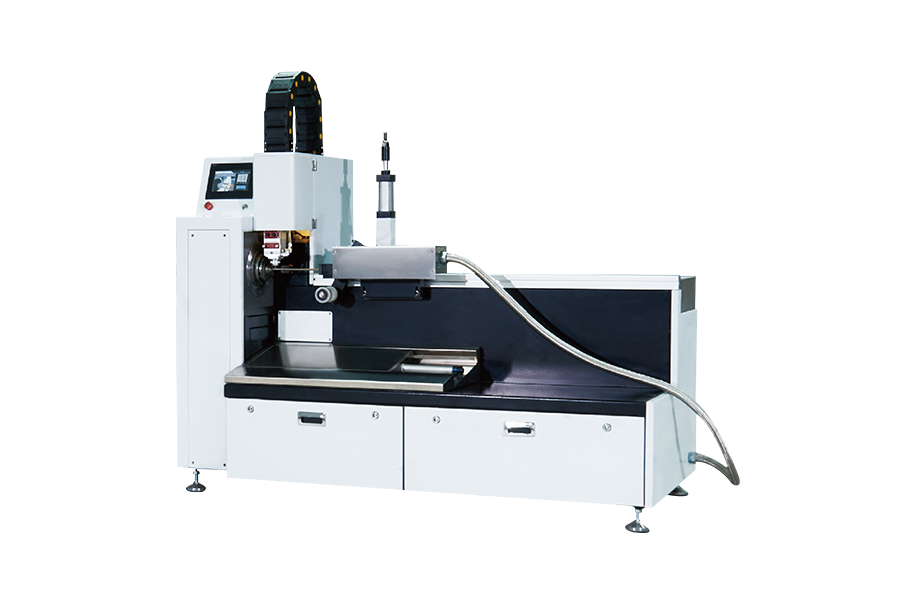
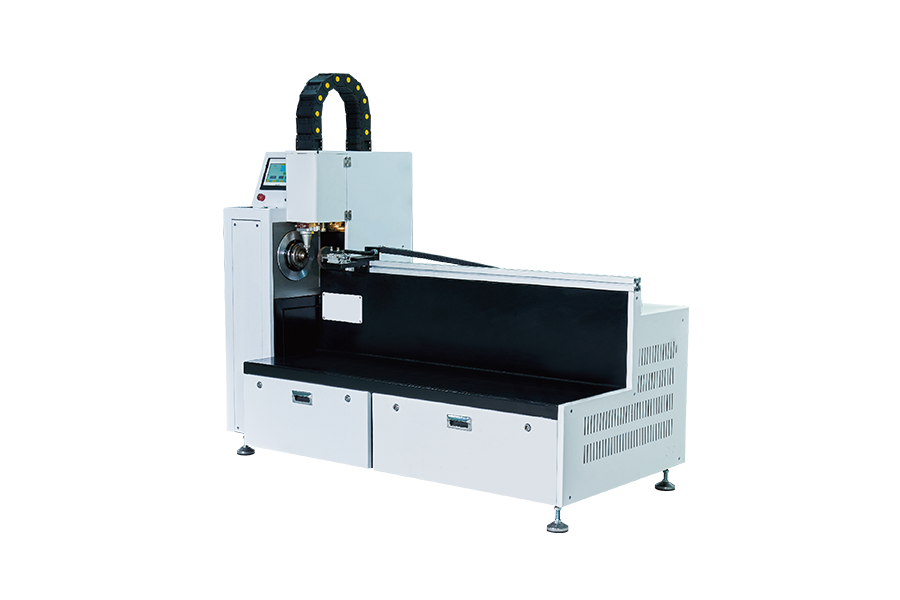
Professional R&D, production, sales and after-sales integration.
We have many years of experience in R&D of automation technology and laser technology
Tube cutting is often only the first step in a larger manufacturing process. After cutting, metal tubes may need to be bent, welded, drilled, assembled, or fitted with other components. If the cut sections do not meet the requirements of the next operation, additional handling and correction may be necessary. For manufacturers, coordinating cutting with downstream processes can help make production more predictable and reduce avoidable interruptions.
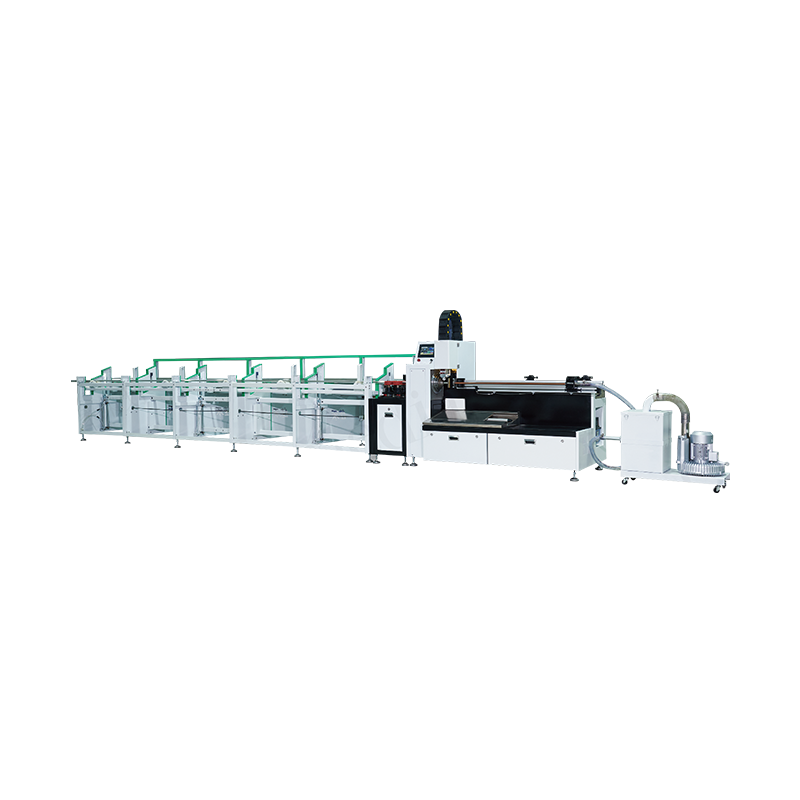
Consider the Requirements of the Next Operation
The appropriate cutting method depends partly on what happens after the tube leaves the machine. A tube prepared for welding may require clean edges and consistent end geometry, while a section intended for bending may need accurate length control and careful handling to prevent deformation.
Manufacturers should identify the requirements of each downstream process before confirming the cutting arrangement. This includes the required dimensions, end condition, orientation, and any features needed for later assembly. Considering these requirements early helps connect the cutting process with the finished component rather than treating each operation separately.
Keep Cut Lengths Consistent Across Assemblies
In products made from several connected tube sections, small length differences can complicate assembly. Components may require extra adjustment to align with brackets, connection points, or adjacent parts.
A Tube Cutting Machine should therefore be evaluated according to the dimensional requirements of the finished product. Manufacturers need to consider the feeding method, workpiece clamping, length-setting arrangement, and inspection procedure.
Checking representative samples before full production is particularly useful when a new tube specification or cutting program is introduced. Confirming dimensions at this stage helps identify problems before they affect a larger batch.
Prepare Tube Ends for Welding and Joining
The condition of a cut end can influence subsequent joining work. Burrs, rough edges, or unwanted deformation may interfere with fitting, alignment, or preparation for welding.
The acceptable end condition depends on the material, tube geometry, joining method, and product requirements. Not every application requires the same degree of edge finishing, so manufacturers should define acceptance criteria according to the intended process.
Where additional deburring or end preparation is necessary, it should be included in the production plan. This makes responsibilities between operations clearer and helps prevent unfinished sections from moving forward unnoticed.
Protect Tube Geometry During Handling
Cutting is not the only stage where tube dimensions can be affected. Poor support, unsuitable clamping, or careless movement between workstations may cause thin-wall tubes to deform or finished sections to become scratched.
Manufacturers should review how tubes are supported during cutting and how completed pieces are transferred to the next process. Collection trays, suitable racks, and organized containers can help separate different sizes and reduce unnecessary contact between components.
For longer workpieces, adequate support is important both before and during cutting. The handling arrangement should match the tube length and weight without obstructing the operator or interfering with machine operation.
Coordinate Cutting Data With Production Drawings
When tube components are produced from engineering drawings, cutting instructions need to reflect the latest approved dimensions. Changes to overall length, material specification, or assembly design can affect the cutting plan and the suitability of existing settings.
A clear process for reviewing drawings and recording machine parameters helps prevent outdated instructions from being reused. Where several tube sizes share similar appearances, labeling and work-order identification can also reduce the risk of mixing components.
Manufacturers developing a Tube Cutting Machine solution should consider how operators enter, verify, and repeat cutting settings. Practical controls and clear instructions can support a more consistent connection between engineering requirements and shop-floor production.
Inspect the First Pieces Before Continuing
A new setup should be checked against the requirements of the next manufacturing stage, not only the cutting machine itself. For example, a tube may meet its nominal length requirement but still need attention because its edge condition is unsuitable for joining.
First-piece inspection can include length, end appearance, visible deformation, and fit with a mating component when appropriate. The inspection method should be proportionate to the part's function and production requirements.
When a problem appears, reviewing the cutting setup before releasing the full batch can help avoid carrying the same issue into bending, welding, or assembly.
Treat Cutting as Part of the Complete Production System
Effective tube processing depends on how well individual operations work together. Manufacturers should consider cutting requirements, handling methods, downstream tolerances, and inspection procedures as connected parts of the production plan.
When selecting a Tube Cutting Machine, buyers can provide component drawings, material details, required cut lengths, and information about subsequent operations. This allows the manufacturer to assess the application more accurately and recommend a suitable configuration. By planning for downstream requirements from the beginning, factories can create a more organized workflow and reduce the need for corrective work later in production.
 +86-0576-88365555
 +86-18858615555 / +86-15958622266

 No. 3, Building 9, Pan'ao Pioneer Park, Daxi Town, Wenling City, Taizhou City, Zhejiang Province, China
