
 en
en English
 中文简体
中文简体 русский
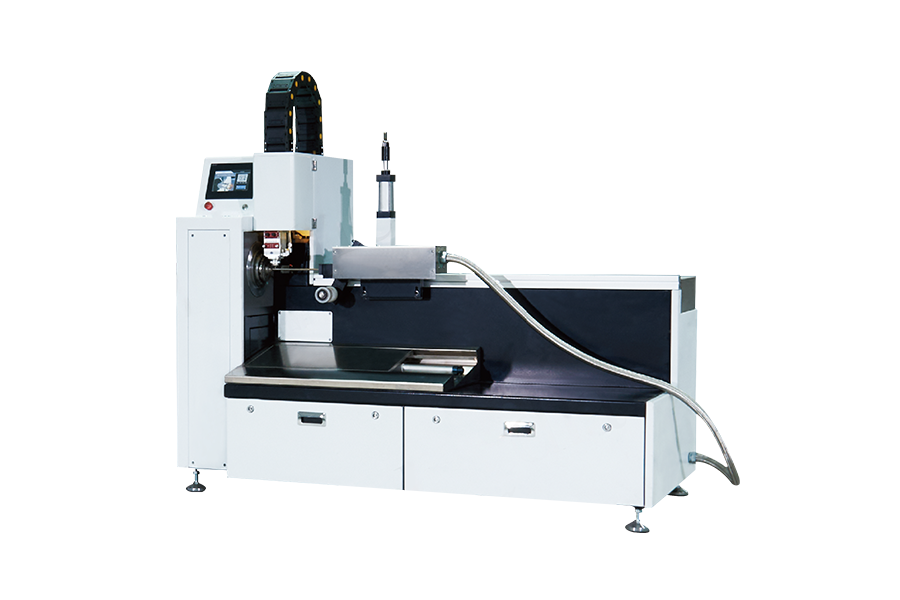
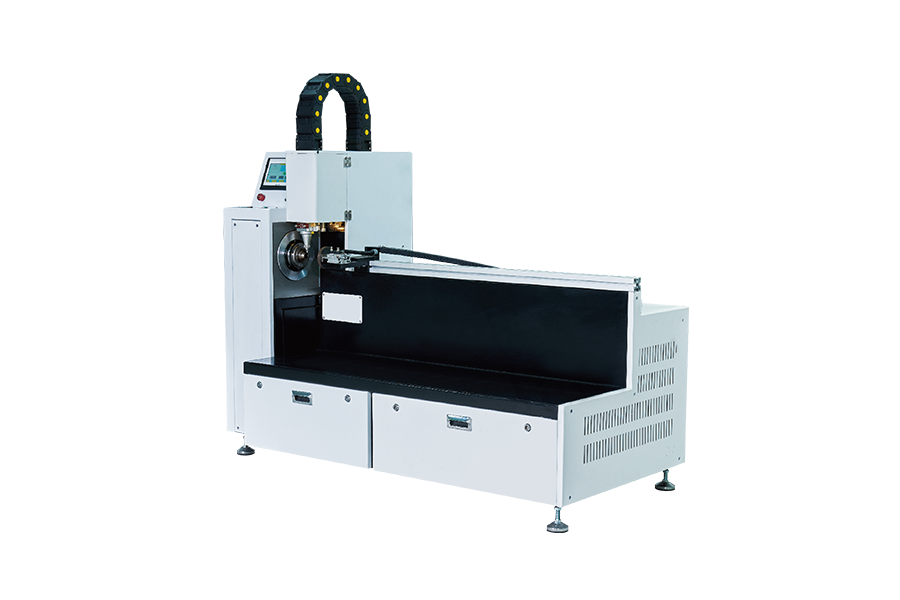
Professional R&D, production, sales and after-sales integration.
We have many years of experience in R&D of automation technology and laser technology
Tube processing requirements can change significantly from one production order to another. A workshop may handle several tube diameters, wall thicknesses, materials, and cut lengths within the same production schedule. Managing these variations requires more than choosing equipment with sufficient cutting capacity. Manufacturers also need to consider setup time, workpiece positioning, operator procedures, and the ability to maintain consistent results across different jobs. A well-planned cutting process can help production teams respond to changing orders without creating unnecessary interruptions.
Understand the Range of Tube Specifications
Before selecting equipment, manufacturers should identify the range of tubes they expect to process. Outside diameter, wall thickness, material type, and tube length all influence cutting requirements.
A machine designed for one common tube specification may not be equally suitable for every product in a mixed production environment. Buyers should confirm the permitted workpiece dimensions and understand whether additional fixtures or adjustments are required when specifications change.
Providing a clear list of typical and maximum workpiece dimensions also helps manufacturers recommend a configuration that reflects actual production needs rather than an unnecessarily broad specification.
Reduce Setup Work Between Production Runs
Frequent changes in tube size can interrupt production when operators need to replace fixtures, reposition supports, or adjust machine settings. These activities may be unavoidable, but a suitable setup arrangement can make them easier to manage.
When evaluating a Tube Cutting Machine, buyers should examine how operators change clamping arrangements, set cutting lengths, and prepare the machine for another workpiece. Accessible adjustment points and clearly defined setup procedures can reduce confusion during changeovers.
For manufacturers handling multiple product models, the objective is not simply to minimize adjustment time. It is to make each change repeatable so that the next production run starts from a reliable setup.
Match Feeding and Support to Tube Length
Long tubes create different handling challenges from short workpieces. Without suitable support, a tube may sag, shift, or become difficult to position accurately. Short sections, meanwhile, may require a different feeding or clamping arrangement.
Manufacturers should consider how material enters the cutting area, how it is supported during processing, and how finished sections are collected. These details become particularly important when a production line handles several tube lengths throughout the day.
The machine layout should provide adequate space for loading and unloading while allowing operators to work without unnecessary material movement. For repeated production, the entire handling process deserves attention alongside the cutting operation itself.
Organize Cutting Parameters for Different Materials
Different tube materials can respond differently to cutting conditions. Wall thickness, material hardness, and the selected cutting method can influence tool wear, edge condition, and processing stability.
Production teams should establish suitable parameters for each material and workpiece range rather than relying on one setting for every order. Trial cuts can help determine whether the selected conditions produce an acceptable edge and meet dimensional requirements.
For a Tube Cutting Machine manufacturer, understanding the customer's material mix helps guide decisions about machine configuration, cutting components, and adjustment options. Clear operating instructions can also help operators apply approved settings more consistently when production schedules change.
Plan for Mixed-Batch Production
Not every manufacturer processes large quantities of identical tubes. Some orders involve frequent changes in length or diameter, while others require extended runs of the same component.
For smaller mixed batches, flexibility and convenient adjustment may be especially important. For high-volume production, repeatable feeding, stable clamping, and consistent cycle operation may deserve greater attention.
Buyers should therefore compare equipment according to their actual order patterns. A machine that suits continuous production may not be the most practical choice for a workshop handling frequent custom orders. The expected balance between batch size and product variety should guide the selection process.
Include Inspection in the Changeover Procedure
A change in tube specification can affect more than the machine setup. It may also influence finished dimensions, edge quality, and the way each section fits into a later assembly.
After changing materials, sizes, or cutting parameters, operators should inspect initial samples before proceeding with the full batch. Checks may include cut length, end condition, visible deformation, and suitability for the next manufacturing operation.
Recording approved settings and inspection results can make future repeat orders easier to prepare. It also gives production teams a clearer basis for identifying whether a problem comes from material positioning, cutting conditions, or another part of the process.
Build Equipment Selection Around Production Reality
Choosing equipment for varied tube sizes requires a practical understanding of the products, order quantities, handling methods, and expected changeover frequency. Manufacturers should evaluate the complete workflow instead of focusing on a single machine specification.
When discussing a Tube Cutting Machine project with a manufacturer, buyers can provide representative tube drawings, material details, dimensional requirements, and expected batch sizes. This information helps clarify the required cutting range and the adjustments needed for different orders. A suitable configuration should support the factory's current production tasks while leaving a realistic path for future product variations.
 +86-0576-88365555
 +86-18858615555 / +86-15958622266
 No. 3, Building 9, Pan'ao Pioneer Park, Daxi Town, Wenling City, Taizhou City, Zhejiang Province, China