
 en
en English
 中文简体
中文简体 русский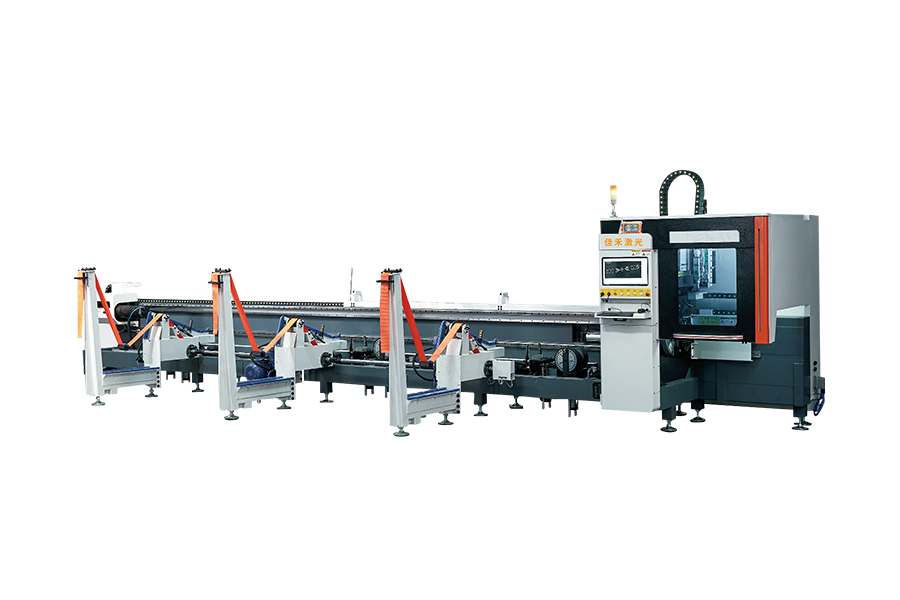
Professional R&D, production, sales and after-sales integration.
We have many years of experience in R&D of automation technology and laser technology
Zhejiang Nuopudun Laser Equipment Co., Ltd.
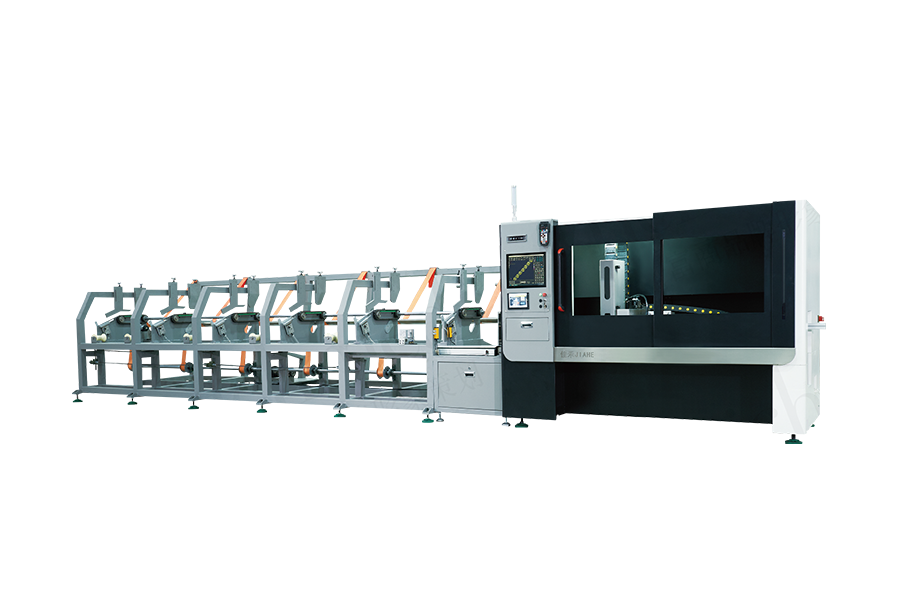
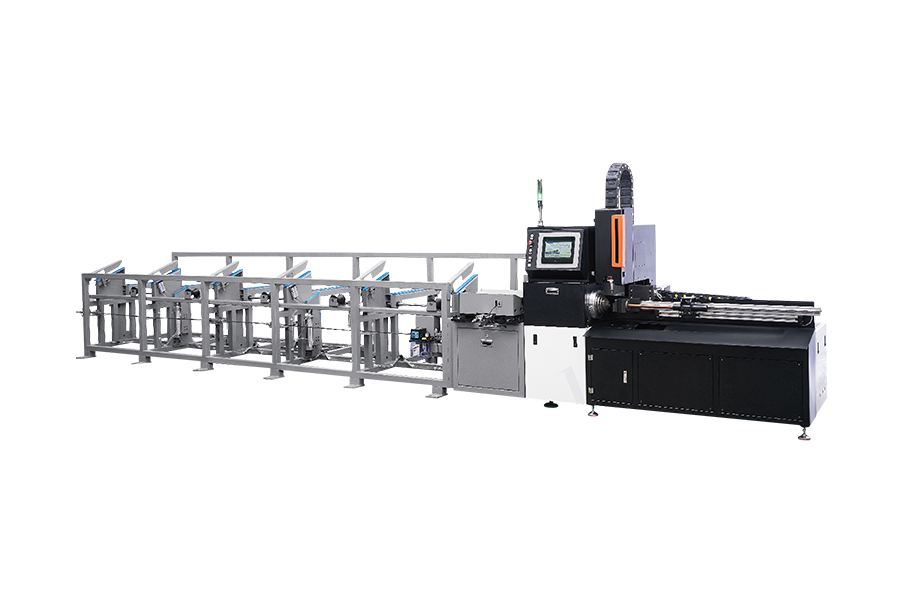
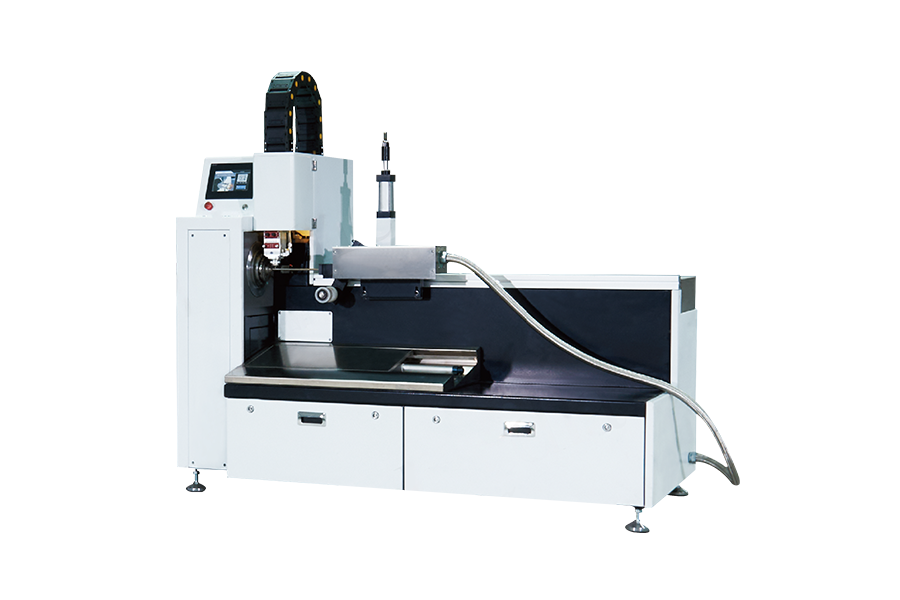
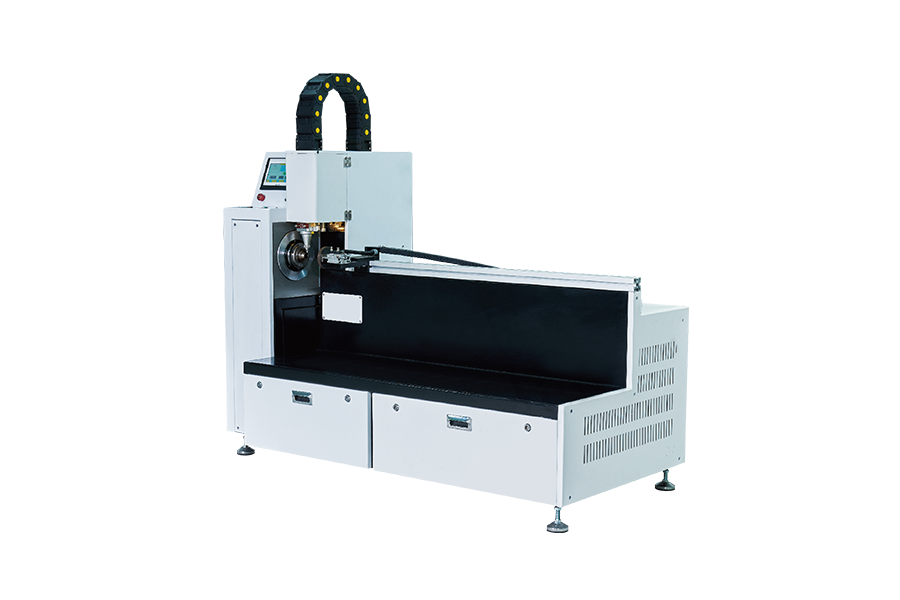
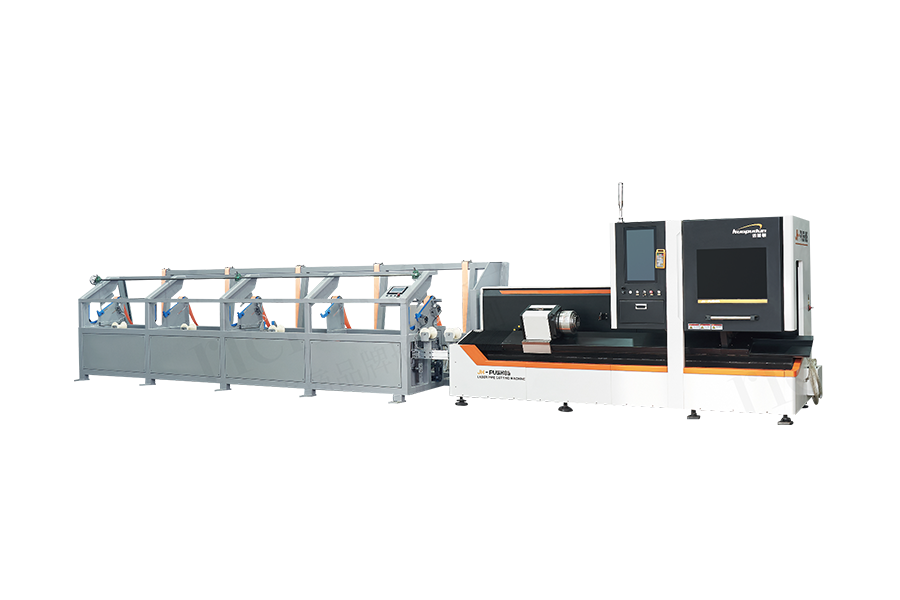
Manufacturers across industries are redesigning production lines to improve efficiency, reduce material waste, and shorten fabrication cycles. As a result, CNC Laser Pipe Cutting Manufacturers have become an important part of the supply chain for construction equipment, automotive components, agricultural machinery, fitness equipment, furniture, and industrial automation systems. Buyers are no longer looking only for a supplier that can cut metal tubes—they want a manufacturing partner capable of delivering consistent dimensional accuracy, repeatable quality, and flexible production support. Recent discussions among engineers and sourcing professionals also show increasing interest in tube laser processing, complex profile cutting, and one-stop fabrication services that reduce secondary machining.
Why Traditional Pipe Processing Is Losing Its Advantage
Conventional methods such as sawing, drilling, punching, and mechanical milling often require multiple production stages before a component is ready for assembly. Each additional operation introduces more handling time and increases the possibility of dimensional variation.
Laser tube processing combines cutting, contouring, slotting, beveling, and hole making into a single workflow. This approach helps simplify production planning while reducing unnecessary material movement between workstations. Engineers searching for precision laser tube cutting services or custom metal tube fabrication are typically looking for ways to improve manufacturing efficiency without compromising part consistency.
Complex Tube Designs Require More Than Cutting Speed
Modern product designs frequently include angled cuts, intersecting holes, variable slot patterns, and intricate tube geometries. These features demand accurate programming and stable machine control rather than simply faster cutting.
As a manufacturer, we evaluate every project according to several factors before production begins:
- Tube shape, including round, square, rectangular, and special profiles
- Material type, such as carbon steel, stainless steel, aluminum, or alloy steel
- Wall thickness and structural requirements
- Assembly method, including robotic welding or manual fabrication
- Required tolerances and downstream processing
This preparation helps minimize production issues and improves assembly efficiency for customers.
Buyers Are Asking More About Design Support
Another noticeable trend is the growing demand for engineering collaboration before manufacturing starts. Instead of submitting finished drawings only, many OEM customers now seek advice on optimizing tube structures for production.
Typical questions include:
- Can multiple components be combined into one laser-cut part?
- Will the cutting design reduce welding time?
- Can hole positions be adjusted for easier assembly?
- Is the design suitable for automated production?
Providing design feedback at an early stage often helps reduce manufacturing costs while improving product consistency.
Consistent Quality Depends on the Entire Manufacturing Process
High-precision tube fabrication is influenced by much more than the laser source itself. Material inspection, fixture stability, CNC programming, machine calibration, and quality verification all contribute to the final result.
As a manufacturing partner, we place equal emphasis on process control throughout production. Dimensional inspections, visual surface checks, and drawing verification help ensure that each production batch remains consistent. This becomes particularly important for customers producing large quantities of welded assemblies or modular equipment.
Flexible Production Supports Different Purchasing Needs
Global buyers rarely share identical order requirements. Some require rapid prototype development, while others need scheduled deliveries for ongoing production programs.
To support different procurement models, manufacturers commonly provide:
- Prototype and sample production before mass orders
- OEM and drawing-based manufacturing
- Small-batch and high-volume production
- Multiple material processing options
- Secondary fabrication such as welding, bending, deburring, or surface finishing
This flexibility allows customers to consolidate suppliers while simplifying project management.
Manufacturing Partnership Matters Beyond Machine Capacity
Selecting a supplier is no longer based solely on available equipment. Buyers increasingly evaluate technical communication, production planning, documentation support, and the ability to respond to engineering changes throughout a project.
As an experienced manufacturer, we work closely with OEM customers, equipment builders, and industrial fabricators from quotation through production and inspection. By understanding application requirements before manufacturing begins, we help customers improve production efficiency, reduce unnecessary processing steps, and maintain consistent component quality.
As manufacturing continues moving toward automation, lightweight structures, and more complex product designs, experienced CNC Laser Pipe Cutting Manufacturers will remain valuable partners for companies seeking precision fabrication, engineering support, flexible customization, and reliable production capabilities for a wide range of metal tube applications.
 +86-0576-88365555
 +86-18858615555 / +86-15958622266
 No. 3, Building 9, Pan'ao Pioneer Park, Daxi Town, Wenling City, Taizhou City, Zhejiang Province, China