
 en
en English
 中文简体
中文简体 русский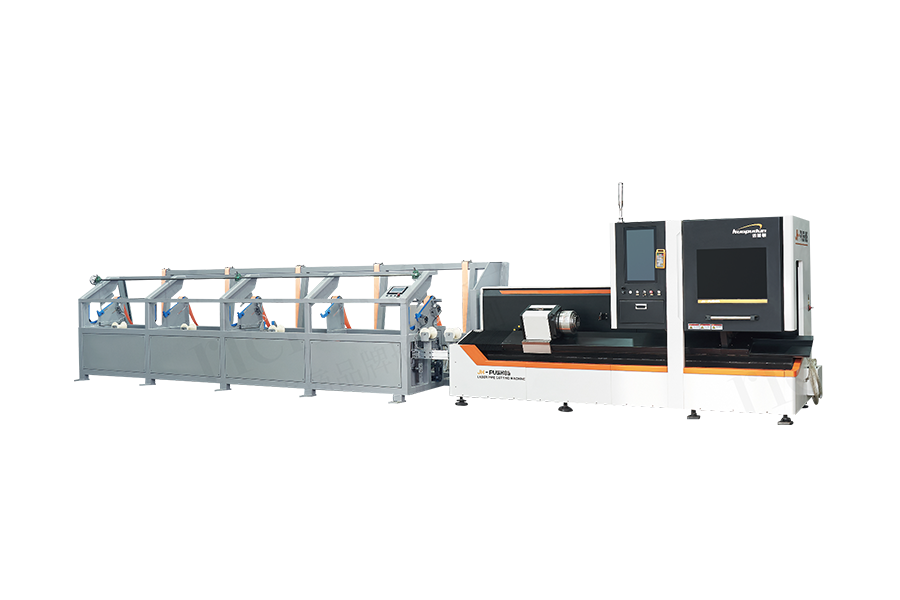
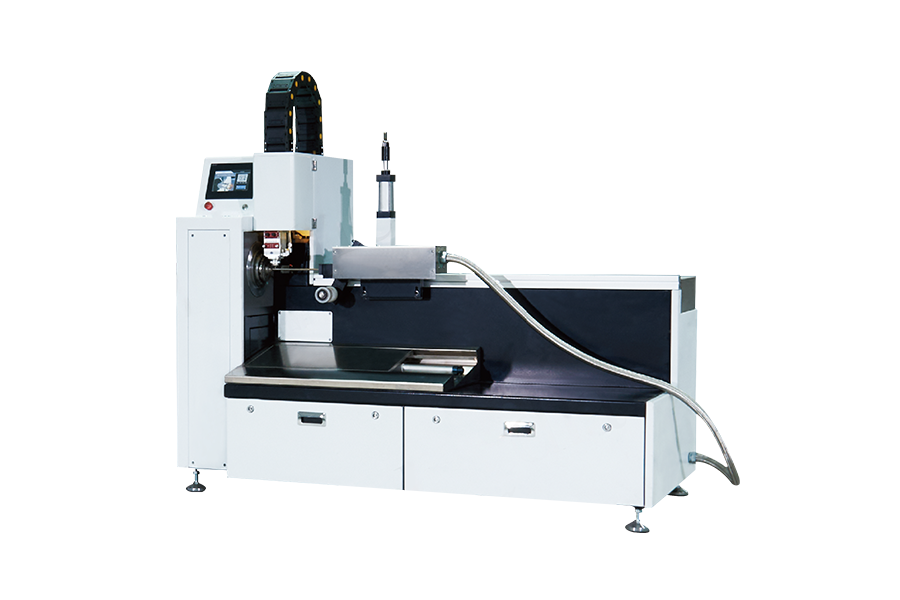
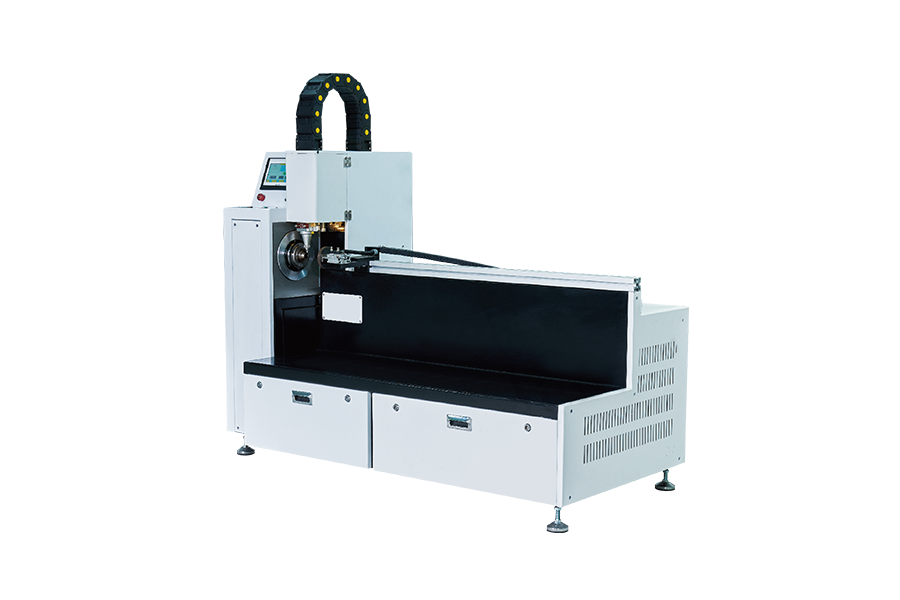
Professional R&D, production, sales and after-sales integration.
We have many years of experience in R&D of automation technology and laser technology
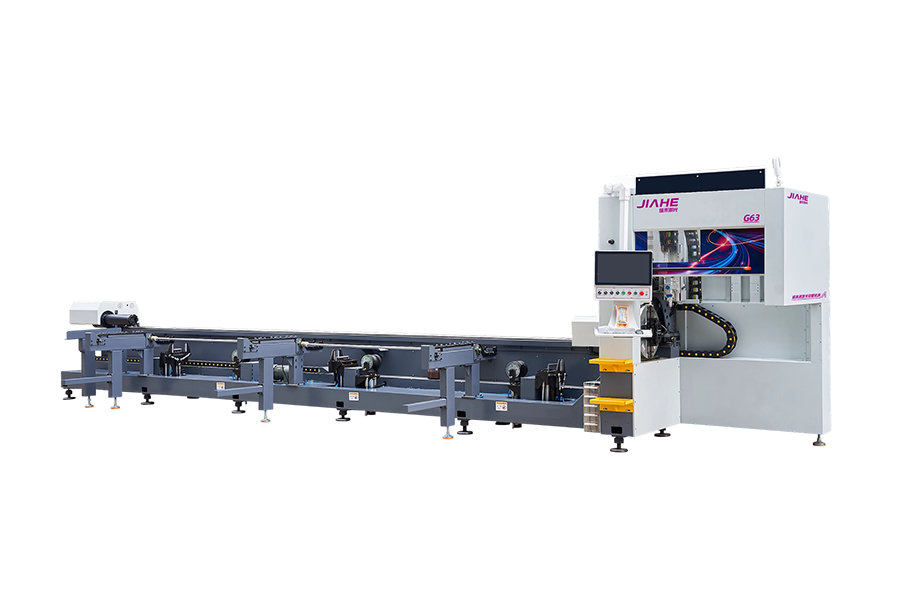
Fabrication shops and metalworking suppliers across North America and Europe are asking a pointed question this quarter: why does pipe cutting remain one of the slowest, most inconsistent steps in an otherwise automated production line? As labor shortages persist and buyers push for tighter tolerances on tube and pipe components, interest in an automatic pipe cutting machine has moved from a future upgrade to an immediate procurement priority for plants trying to keep output steady without adding headcount.
What's Pushing Buyers to Search for Automation Now
Recent discussions across manufacturing forums and industrial trade groups point to a familiar frustration: manual and semi-automatic cutting setups struggle to keep pace with order volumes while maintaining consistent cut quality. Operators report burrs, angle deviation, and length inconsistency as recurring issues that create rework downstream. This has pushed procurement teams to prioritize repeatable accuracy and reduced operator dependency over machines chosen purely on upfront price.
Precision Demands Are Rising Across Industries
HVAC fabricators, furniture frame producers, and structural steel suppliers increasingly require tighter length and angle tolerances than standard cutting setups can reliably deliver by hand. Buyers evaluating equipment now specifically ask about repeat accuracy across long production runs, not just single-cut performance during a demo. This shift reflects downstream quality requirements from their own customers, who are less tolerant of dimensional variance in finished assemblies.
Where Manual Cutting Still Creates Bottlenecks
Several recurring pain points show up consistently in buyer inquiries:
- Inconsistent cut length across large batches, leading to material waste
- Operator fatigue during long shifts, increasing error rates
- Difficulty maintaining clean, burr-free edges without secondary finishing
- Limited throughput when switching between pipe diameters or materials
- Safety concerns tied to manual blade handling and repetitive motion
Addressing these issues directly is what separates a genuinely useful automated solution from a marginal upgrade.
Material and Diameter Flexibility Matters More Than Ever
Buyers sourcing equipment for mixed production environments—shops handling steel, stainless, aluminum, and copper pipe within the same facility—are prioritizing machines that adjust between materials and diameters without extensive manual recalibration. This flexibility reduces changeover time and supports smaller batch orders, which have become more common as customers request shorter lead times on custom runs.
Safety and Labor Considerations Driving Adoption
With skilled machine operators becoming harder to source in several regions, plants are looking for equipment that reduces reliance on manual skill for consistent results. Enclosed cutting mechanisms and automated feed systems lower exposure to moving blades and repetitive strain injuries, which matters both for worker safety and for meeting workplace compliance standards that vary by export market.
Calculating Real Return on Investment
Rather than focusing solely on machine cost, buyers evaluating suppliers are increasingly requesting data on cycle time per cut, material waste reduction, and reduced rework rates. These figures help justify capital expenditure to finance teams who want measurable payback periods rather than general efficiency claims. Suppliers who can walk buyers through realistic throughput expectations for their specific pipe types tend to close deals faster.
What to Ask Suppliers Before Placing an Order
Buyers comparing equipment should confirm cutting accuracy tolerances, compatible pipe diameter ranges, blade or cutting head replacement intervals, and after-sales technical support availability in their region. These details affect long-term operating cost far more than the initial purchase price.
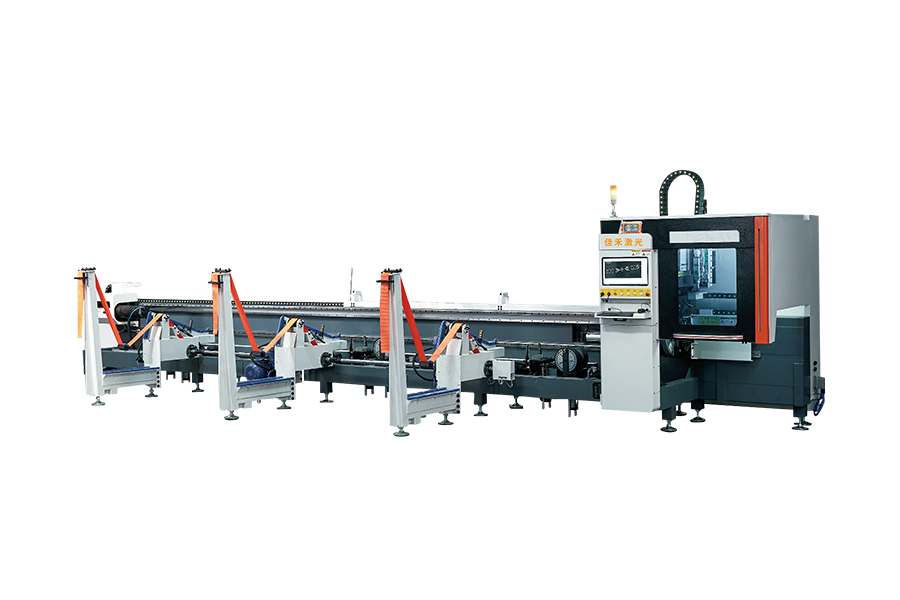
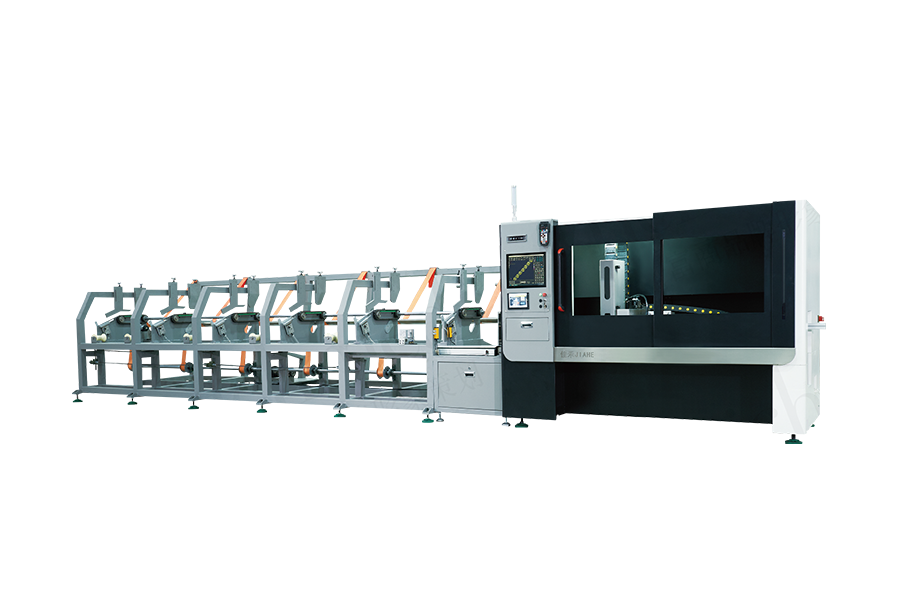
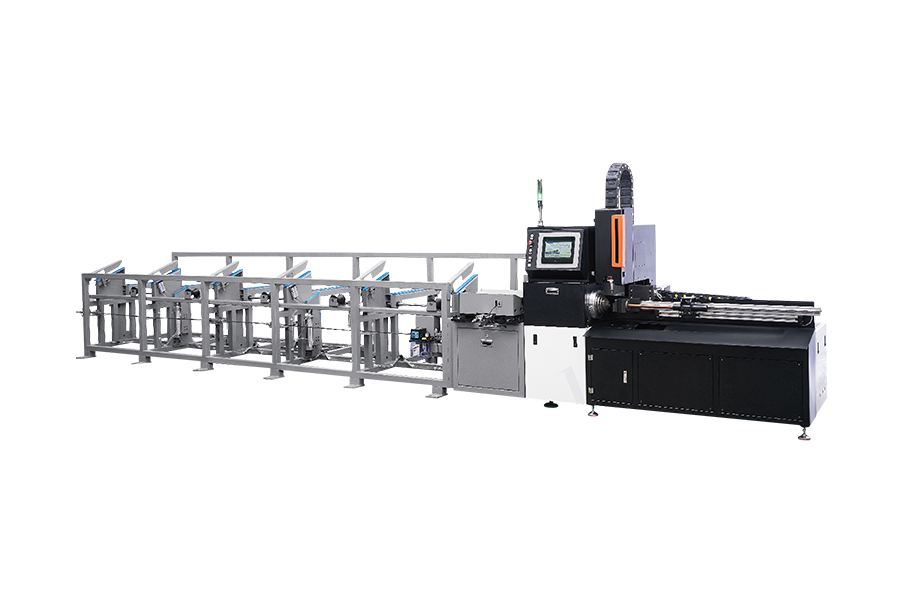
As a manufacturer producing cutting equipment for industrial and fabrication applications, we've seen firsthand how the right automatic pipe cutting machine changes daily output without requiring a larger workforce. For buyers reviewing suppliers this quarter, prioritizing accuracy, flexibility, and operator safety will matter more than choosing based on price alone.
 +86-0576-88365555
 +86-18858615555 / +86-15958622266
 No. 3, Building 9, Pan'ao Pioneer Park, Daxi Town, Wenling City, Taizhou City, Zhejiang Province, China