
 en
en English
 中文简体
中文简体 русский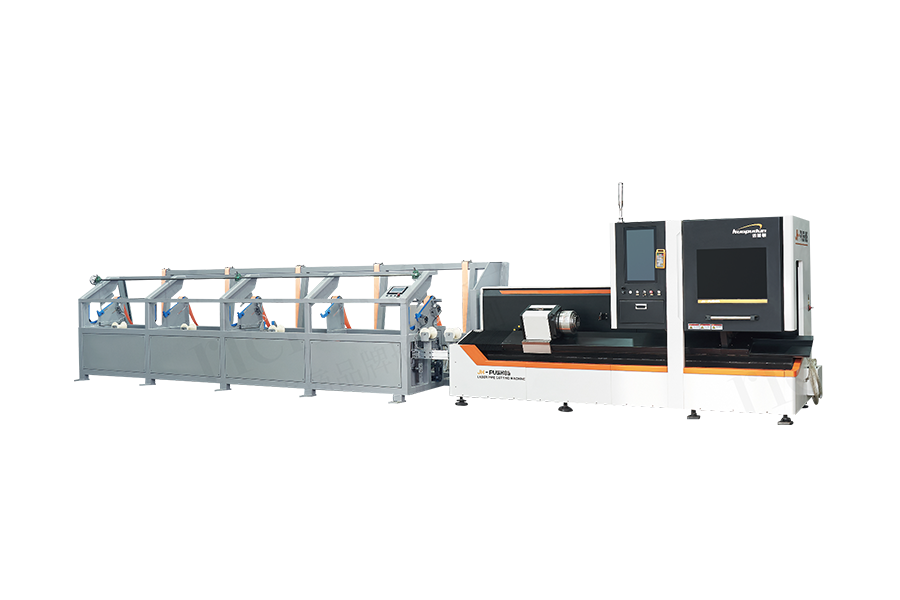
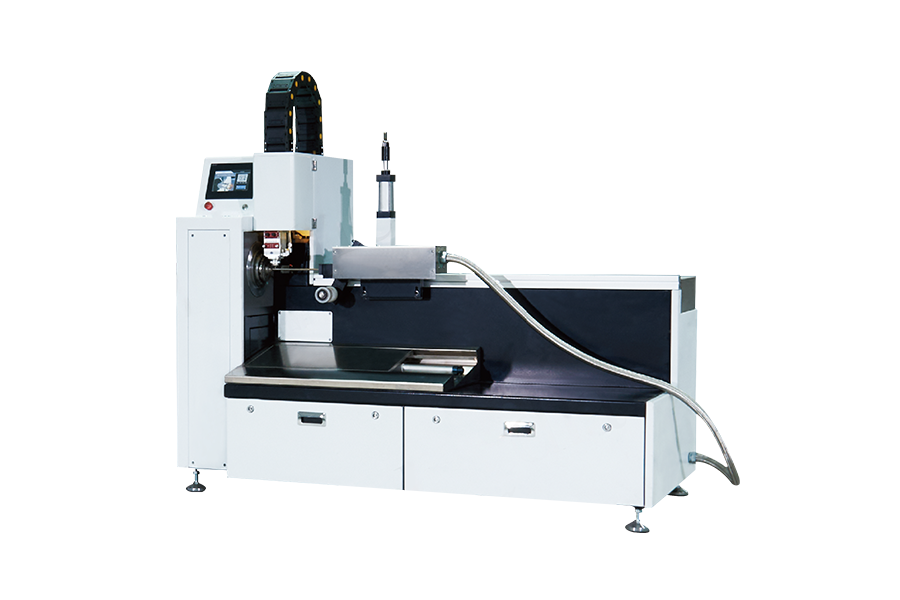
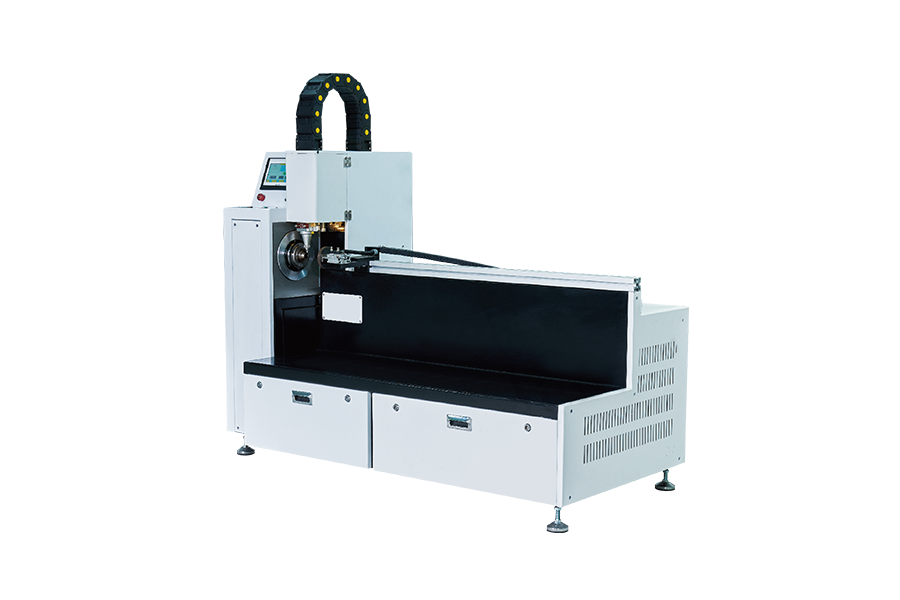
Professional R&D, production, sales and after-sales integration.
We have many years of experience in R&D of automation technology and laser technology
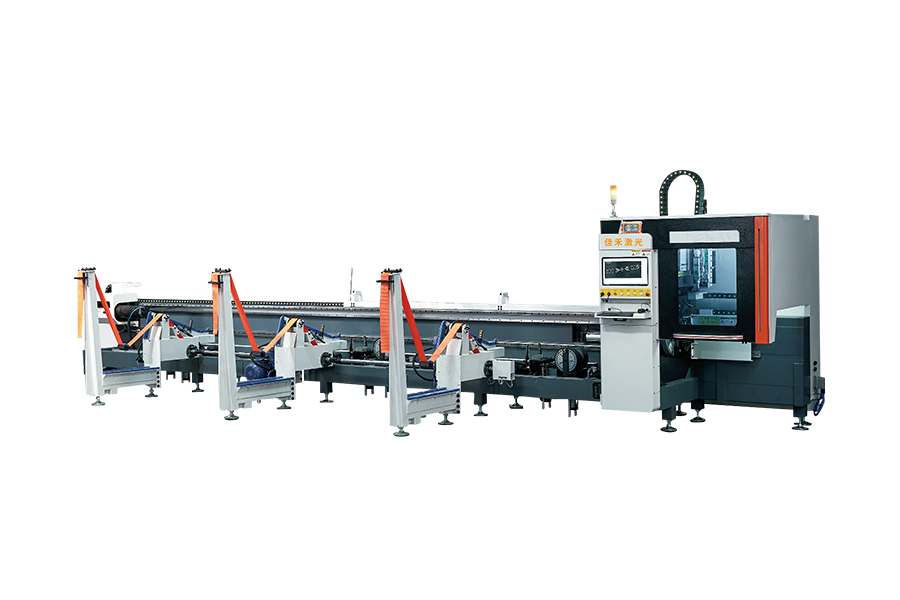
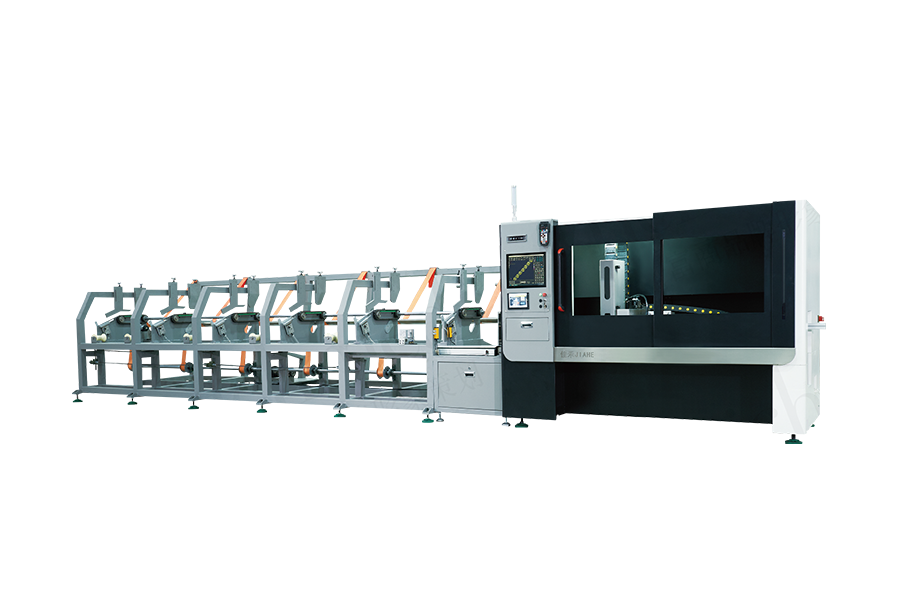
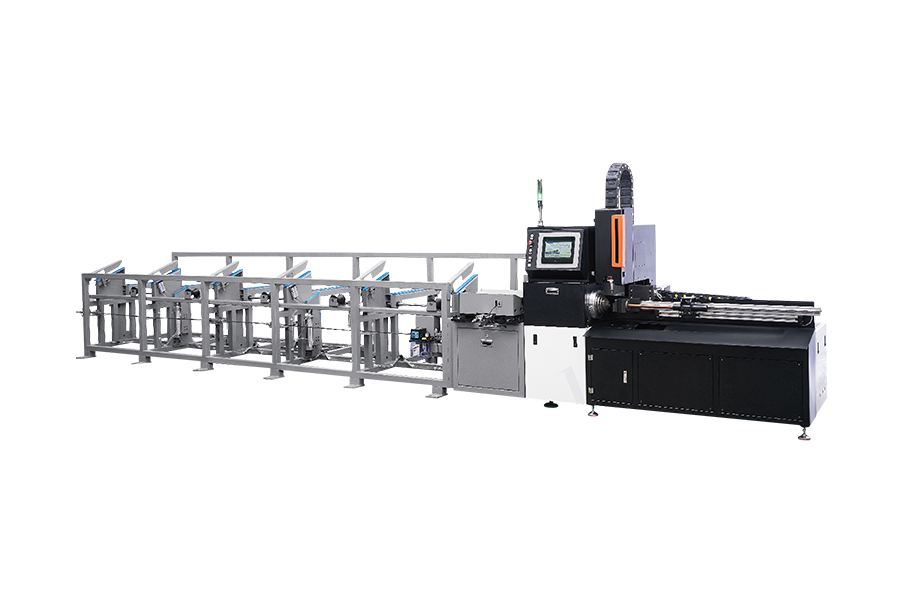
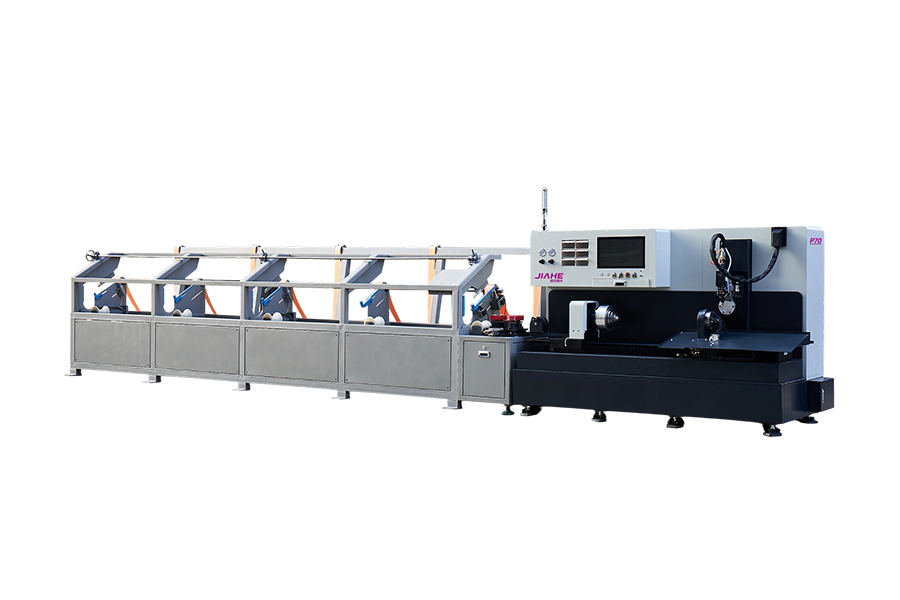
A noticeable pattern has emerged among industrial buyers browsing sourcing platforms and trade directories in recent months: many are actively replacing existing pipe cutting equipment rather than expanding capacity from scratch. Conversations across procurement and engineering communities point to a common trigger—aging machines that can no longer meet current throughput or tolerance requirements. For plants weighing this decision, an automatic pipe cutting machine has become the default replacement category rather than a like-for-like upgrade of older manual systems.
Signs a Cutting Setup Has Outlived Its Usefulness
Maintenance teams often delay replacing equipment until failures become disruptive, but several warning signs tend to appear earlier. Increasing downtime for blade changes, rising scrap rates from inconsistent cuts, and difficulty sourcing replacement parts for discontinued models are frequent complaints in buyer forums. When repair costs and lost production time start approaching the price of new equipment, replacement conversations move quickly from consideration to active sourcing.
Throughput Expectations Have Shifted
Order volumes in sectors like furniture manufacturing, HVAC ductwork, and metal railing production have grown less predictable, with more frequent smaller batches replacing large standardized runs. This has changed what buyers ask suppliers during evaluation calls. Instead of focusing only on maximum cutting speed, procurement teams now ask how quickly a machine can switch between pipe sizes and specifications without significant downtime between jobs.
Common Evaluation Criteria Buyers Are Applying
When comparing suppliers, industrial buyers tend to focus on a consistent set of factors:
- Setup and changeover time between different pipe diameters
- Cut consistency across extended production runs, not just initial tests
- Noise levels and vibration, which affect workplace conditions
- Footprint requirements relative to existing floor space
- Availability of spare parts and technical documentation
Suppliers able to address these points clearly, without vague assurances, tend to stand out during the shortlisting stage.
Integration With Existing Production Lines
Few buyers are purchasing cutting equipment in isolation. Most need it to fit into an existing sequence involving material feeding, measuring, and downstream finishing processes. Questions about compatibility with current conveyor systems, PLC integration, and data logging for quality control have become more frequent, reflecting a broader push toward connected manufacturing environments rather than standalone machine purchases.
Training and Transition Costs Often Get Overlooked
Switching to new cutting equipment involves more than installation. Operators need time to adjust to new controls, and production schedules may need temporary adjustment during commissioning. Buyers who plan for this transition period, rather than expecting immediate full-speed output, tend to report smoother rollouts. Suppliers offering clear commissioning support and operator training materials reduce this friction considerably.
Regional Considerations for Overseas Buyers
For buyers importing equipment across borders, voltage compatibility, shipping dimensions, and local availability of technical support carry as much weight as machine specifications. Delays in resolving technical issues due to time zone gaps or limited regional support can offset any efficiency gains from the equipment itself, making after-sales infrastructure a genuine differentiator between suppliers.
Making the Replacement Decision With Confidence
Rather than reacting to a single equipment failure, buyers are increasingly building replacement timelines around measurable performance decline—rising scrap rates, extended downtime, or missed tolerance requirements. This approach turns an urgent, reactive purchase into a planned upgrade with clearer budget justification.
As a manufacturer supplying cutting equipment to fabrication and industrial clients, we've supported numerous transitions where the right automatic pipe cutting machine resolved recurring throughput and quality issues simultaneously. For buyers currently evaluating their options, focusing on integration compatibility and support infrastructure will matter as much as the machine's core specifications.
 +86-0576-88365555
 +86-18858615555 / +86-15958622266
 No. 3, Building 9, Pan'ao Pioneer Park, Daxi Town, Wenling City, Taizhou City, Zhejiang Province, China