
 en
en English
 中文简体
中文简体 русский
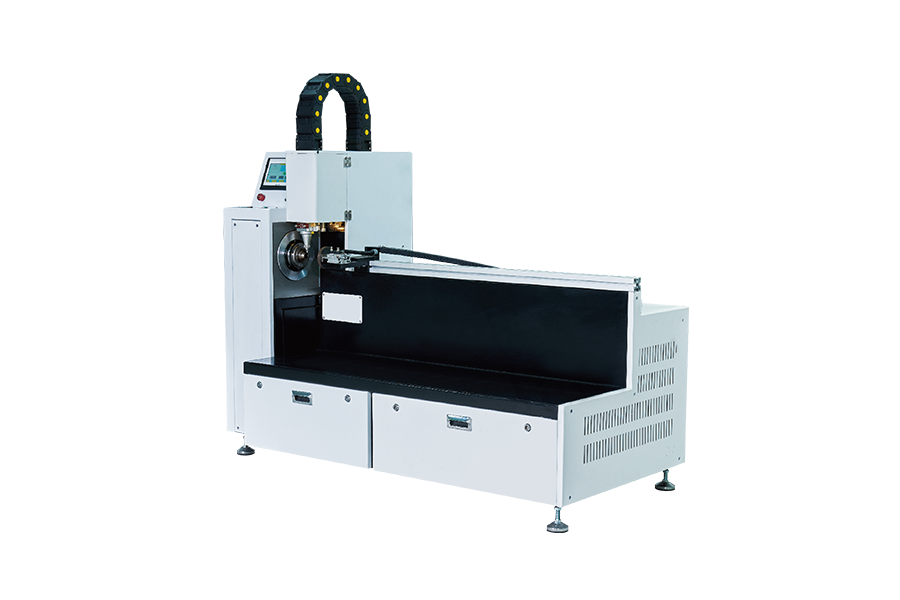
Professional R&D, production, sales and after-sales integration.
We have many years of experience in R&D of automation technology and laser technology
In global manufacturing, especially in automotive structures, construction steelwork, and industrial equipment production, the conversation is shifting from “cutting accuracy” to “intelligent production systems.” Recent search trends such as smart tube cutting machine IoT monitoring, automatic pipe cutting robotic loading system, laser tube cutting predictive maintenance, and CNC Laser Pipe Cutting Manufacturers indicate that buyers are now evaluating not only machine performance, but also digital integration, automation readiness, and long-term operational intelligence.
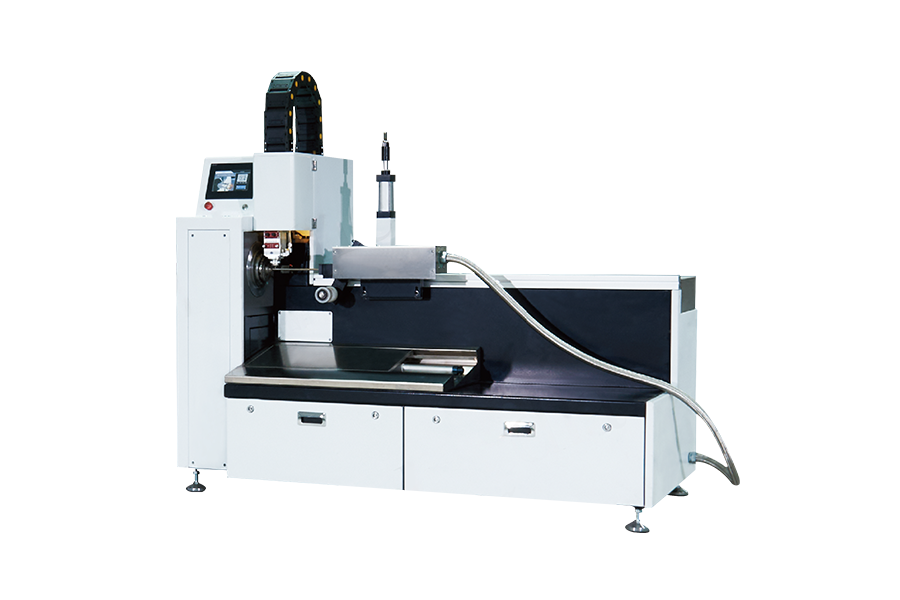
Why Conventional CNC Cutting Lines Are Reaching Their Limits
Traditional CNC laser cutting machines have significantly improved fabrication precision, but many factories still face bottlenecks when scaling production or integrating with smart systems.
Common limitations include:
- Manual dependency during loading and unloading processes
- Limited real-time production data feedback
- Downtime caused by reactive rather than predictive maintenance
- Lack of integration with factory-wide digital systems
- Inefficient scheduling across multiple production orders
These constraints are pushing manufacturers toward smarter solutions.
How Smart Tube Cutting Systems Improve Production Intelligence
Modern systems are increasingly equipped with digital monitoring and intelligent control features that enhance decision-making and reduce operational uncertainty.
Key functional upgrades include:
- Real-time monitoring of laser power, cutting speed, and temperature
- Automatic adjustment of cutting parameters based on material feedback
- Integrated sensors for vibration and alignment detection
- Cloud-based production data logging for traceability
- Remote system diagnostics and performance optimization
These capabilities help factories move toward data-driven manufacturing.
Why Automation and Robotics Are Becoming Standard in Tube Processing
Labor cost optimization and production stability are key drivers behind the integration of robotics in tube cutting systems.
Typical automation enhancements include:
- Robotic arm loading and unloading systems for continuous operation
- Automatic tube feeding with multi-size adaptability
- Vision-based positioning systems for precise alignment
- Reduced human intervention in repetitive production cycles
- Improved safety by minimizing operator exposure to cutting zones
This significantly increases both throughput and consistency.
Precision Engineering Still Defines Cutting Quality
Even in highly automated systems, mechanical and optical precision remains the foundation of performance. Without stable engineering design, automation cannot deliver consistent output.
Key precision factors include:
- Cutting tolerance control typically within ±0.05–0.1 mm range (machine-dependent)
- Stable beam focus control for different pipe thicknesses
- Multi-axis synchronization for complex geometries
- Reduced thermal distortion through optimized cutting paths
- High repeatability across long production cycles
These ensure that automation does not compromise accuracy.
Data Integration Is Reshaping Manufacturing Decision-Making
One of the biggest shifts in modern fabrication is the use of production data for optimization rather than manual observation.
Industrial systems now commonly include:
- MES/ERP integration for full production tracking
- Predictive maintenance alerts based on machine behavior
- Production efficiency dashboards for managers
- Material usage analytics for cost optimization
- Remote access for system diagnostics and updates
This transforms cutting equipment into a connected production asset.
What Buyers Expect from Advanced CNC Laser Pipe Cutting Manufacturers
Procurement decisions are increasingly influenced by system intelligence, automation capability, and long-term scalability rather than just cutting speed or machine size.
Key evaluation factors include:
- Compatibility with smart factory infrastructure
- Stability of laser performance under continuous operation
- Flexibility in handling multiple pipe diameters and materials
- Availability of automation and robotics integration options
- Software ecosystem and upgrade support capability
These expectations define modern supplier competitiveness.
Application Expansion Across Industrial Sectors
Smart tube cutting systems are now being applied across a wide range of industries where precision and scalability are critical.
Typical applications include:
- Automotive chassis and structural component manufacturing
- Construction steel frameworks and modular buildings
- Industrial machinery frames and equipment housing
- Renewable energy support structures
- Logistics and warehouse automation systems
Each sector benefits from improved precision and reduced production variability.
Intelligent Fabrication Will Define the Next Industrial Upgrade Cycle
As manufacturing continues evolving toward Industry 4.0, CNC laser tube cutting systems will become fully integrated nodes within smart production ecosystems. Future advancements will focus on AI-driven optimization, autonomous production scheduling, and deeper integration with robotic manufacturing cells.
For global buyers and engineering teams, selecting advanced CNC Laser Pipe Cutting Manufacturers is no longer just a machinery decision—it is a strategic move toward intelligent, connected, and highly efficient manufacturing systems.
 +86-0576-88365555
 +86-18858615555 / +86-15958622266
 No. 3, Building 9, Pan'ao Pioneer Park, Daxi Town, Wenling City, Taizhou City, Zhejiang Province, China