
 en
en English
 中文简体
中文简体 русский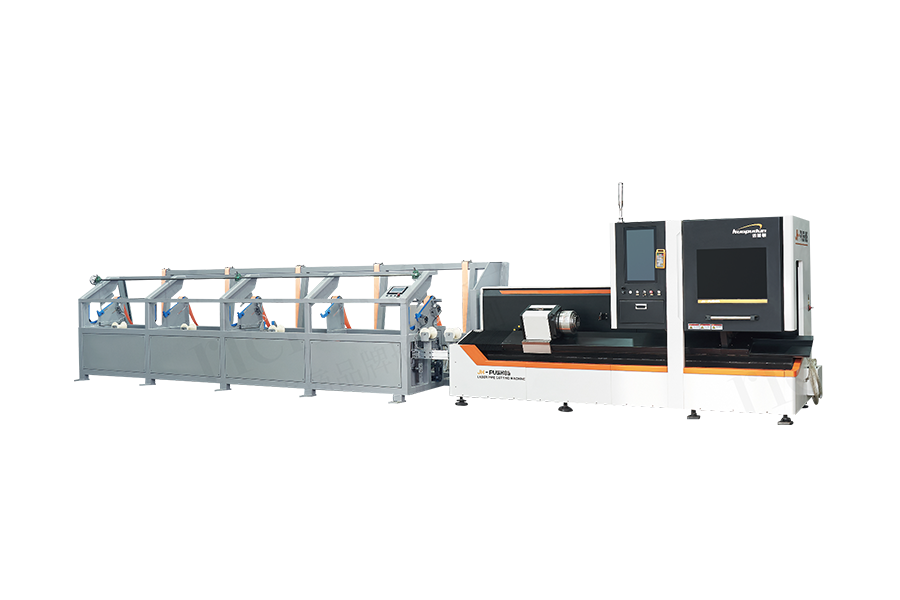
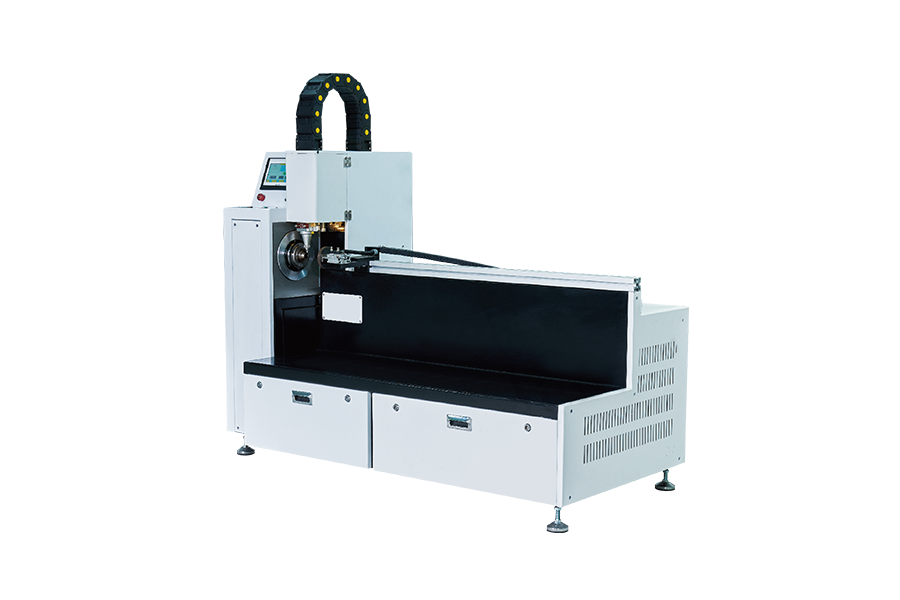
Professional R&D, production, sales and after-sales integration.
We have many years of experience in R&D of automation technology and laser technology
The global metal fabrication industry is experiencing a shift toward higher precision, faster turnaround times, and more flexible production models. Whether producing automotive components, steel furniture, fitness equipment, or industrial frameworks, manufacturers are under pressure to process a wider variety of tube designs without sacrificing efficiency. As a result, CNC Laser Pipe Cutting has become an increasingly popular solution among engineers and purchasing managers seeking to solve common production bottlenecks while maintaining consistent product quality.
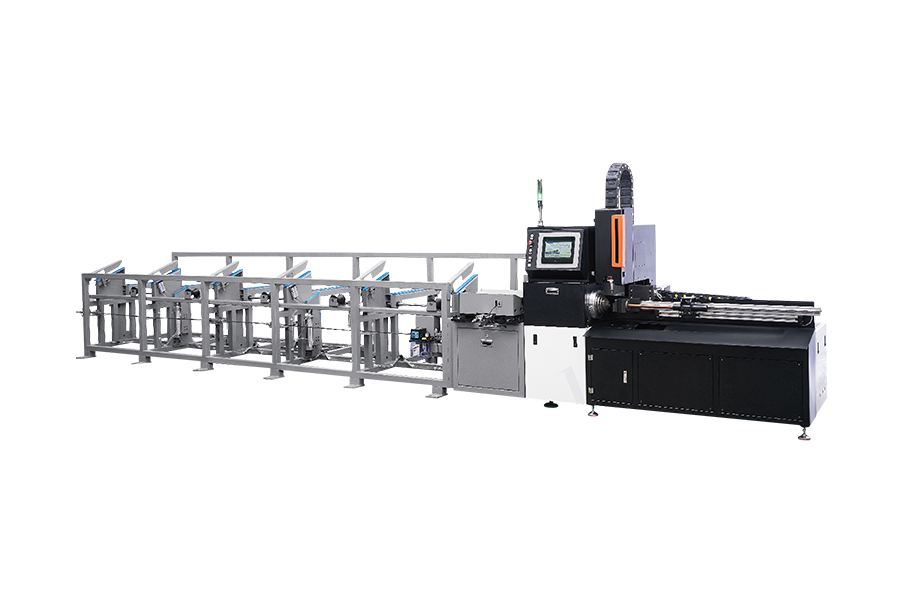
Today’s buyers are not simply searching for faster machines. They are looking for equipment that can improve workflow efficiency, reduce secondary operations, and adapt to changing customer requirements.
Why Are Complex Tube Designs Becoming More Common?
Market demand for customized products continues to grow across multiple industries. Manufacturers are receiving more orders involving special hole patterns, angled cuts, slots, and irregular tube geometries that are difficult to process using conventional equipment.
To meet these requirements, fabrication companies need systems capable of:
- Handling intricate cutting designs accurately
- Supporting rapid product changeovers
- Maintaining consistency across different tube profiles
- Reducing setup time for customized orders
Production flexibility is now a key competitive advantage rather than a secondary consideration.
How Can Manufacturers Reduce Secondary Processing?
One challenge frequently discussed by workshop managers is the amount of time spent on post-cutting operations. Deburring, grinding, and manual adjustments can significantly slow production schedules.
Modern cutting technologies help address this issue by offering:
- Cleaner cut edges
- Improved dimensional accuracy
- Reduced need for manual finishing
- Better preparation for welding and assembly
By minimizing secondary processes, manufacturers can shorten production cycles and improve overall workshop efficiency.
Why Is Production Consistency More Important Than Ever?
As global supply chains become more demanding, buyers expect reliable product quality across every batch. Inconsistent cutting results can lead to assembly issues, material waste, and customer complaints.
Procurement teams increasingly evaluate equipment based on:
- Repeatable cutting accuracy
- Stable performance during long production runs
- Consistency across different material types
- Reduced variation between operators
These factors directly influence productivity and customer satisfaction.
How Are Labor Shortages Influencing Equipment Investments?
Many manufacturers are facing difficulties in recruiting and retaining skilled operators. This challenge is encouraging businesses to adopt equipment that simplifies operation and reduces dependence on manual processes.
Key priorities include:
- User-friendly programming interfaces
- Faster machine setup
- Reduced operator intervention
- Stable automated production performance
Automation is no longer viewed solely as a way to increase output—it is also becoming a practical solution for workforce challenges.
Why Are Buyers Paying More Attention to Material Utilization?
Rising material costs have made waste reduction a priority for fabrication companies. Efficient tube cutting strategies can help manufacturers improve yield and control production expenses.
Engineers often focus on:
- Optimized cutting layouts
- Reduced scrap generation
- Accurate positioning and nesting
- Better use of raw materials
Even modest improvements in material utilization can have a meaningful impact on long-term operating costs.
Manufacturer Perspective: Flexibility Is the New Standard
As a mechanical and electrical technology manufacturer, we see growing demand for equipment that can support a variety of production scenarios. Customers are increasingly looking for machines that can adapt to changing orders without requiring extensive reconfiguration.
Common requirements include:
- Processing round, square, and rectangular tubes
- Supporting different material thicknesses
- Maintaining accuracy in mixed-batch production
- Integrating smoothly into existing workshop layouts
This reflects the industry's transition toward more agile and responsive manufacturing operations.
Is Flexible Tube Processing Becoming Essential for Modern Fabrication?
Manufacturers today face a combination of challenges, including customization demands, labor shortages, material cost pressures, and stricter quality expectations. To remain competitive, they need equipment that can improve efficiency without limiting production flexibility.
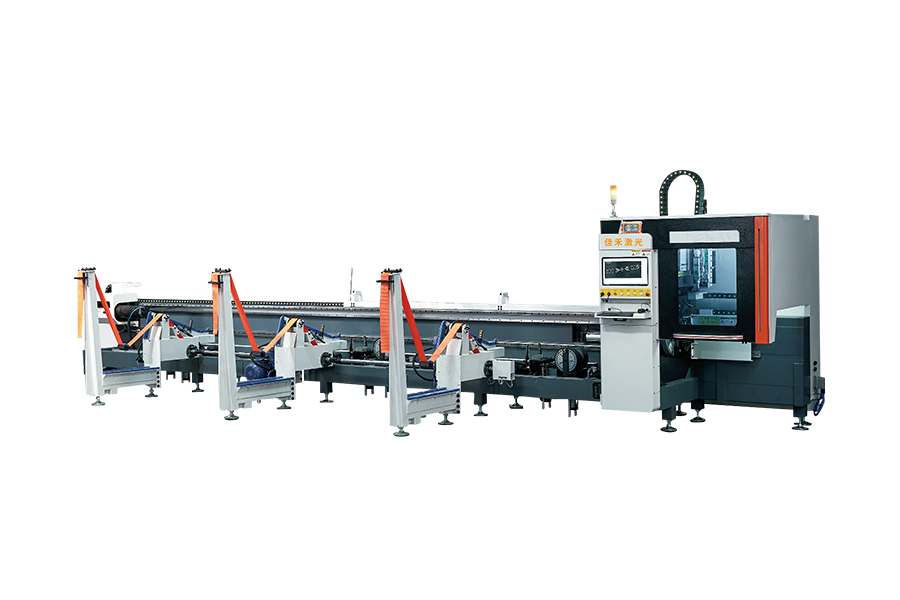
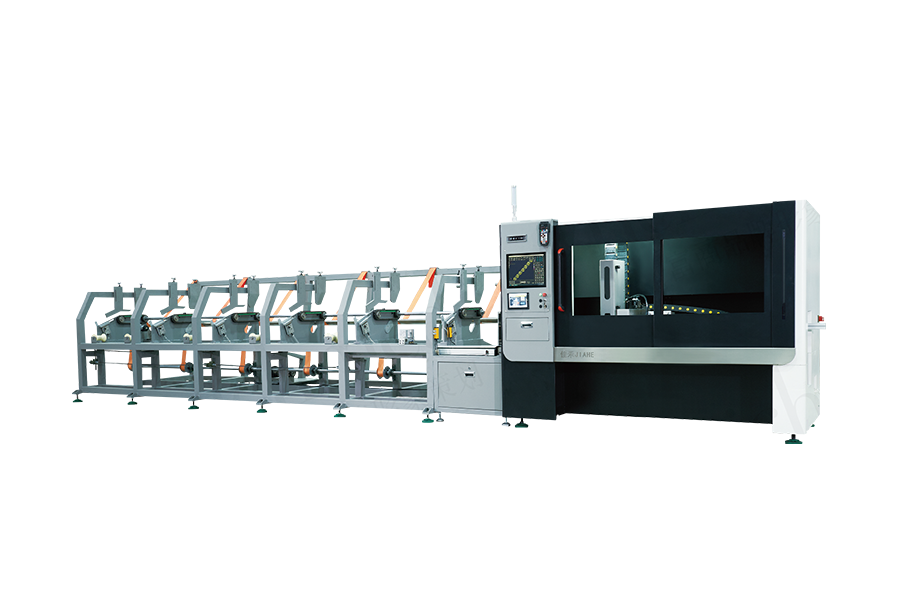
For companies seeking to streamline operations and support future growth, an Automatic Pipe Cutting Machine offers a practical solution for achieving accurate, repeatable, and efficient tube-processing results in modern fabrication environments.
 +86-0576-88365555
 +86-18858615555 / +86-15958622266
 No. 3, Building 9, Pan'ao Pioneer Park, Daxi Town, Wenling City, Taizhou City, Zhejiang Province, China