
 en
en English
 中文简体
中文简体 русский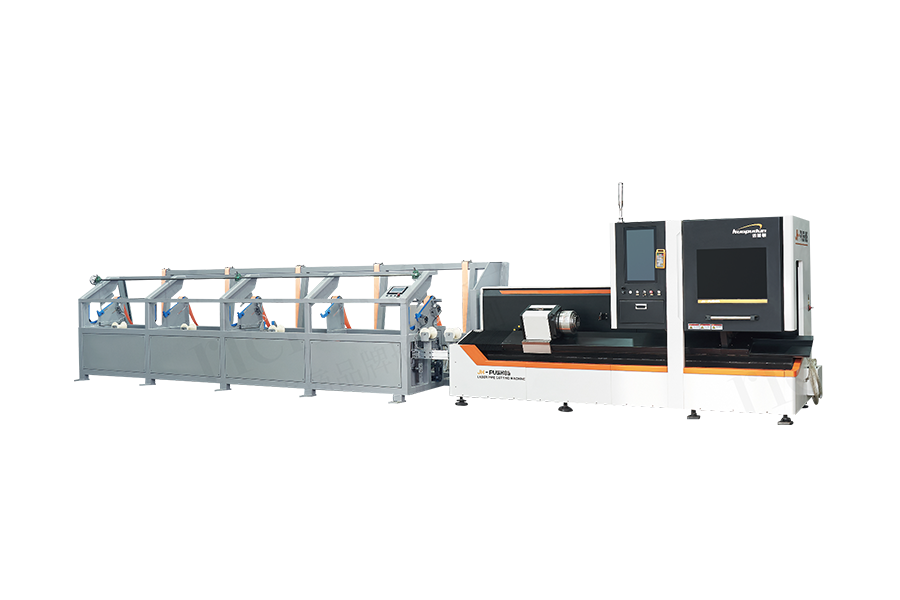
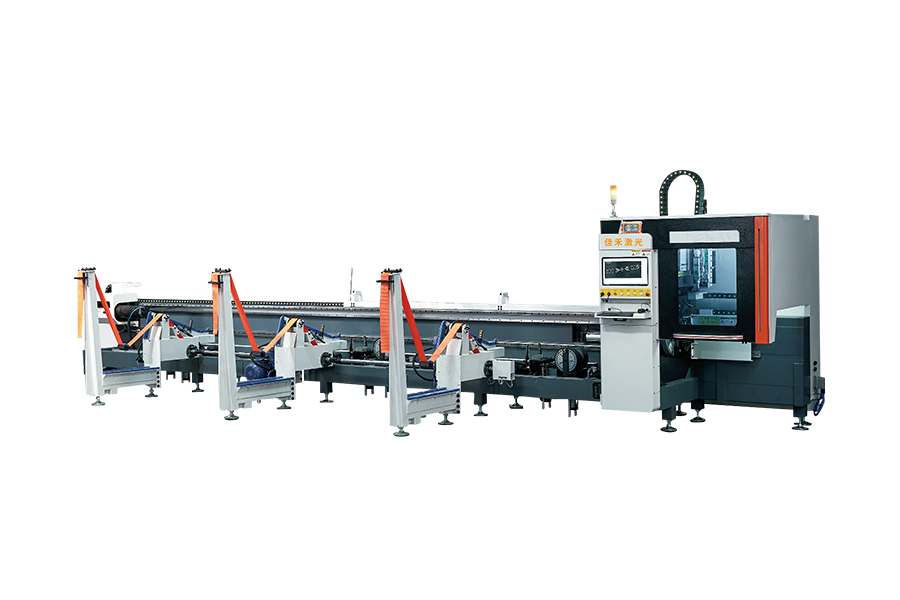
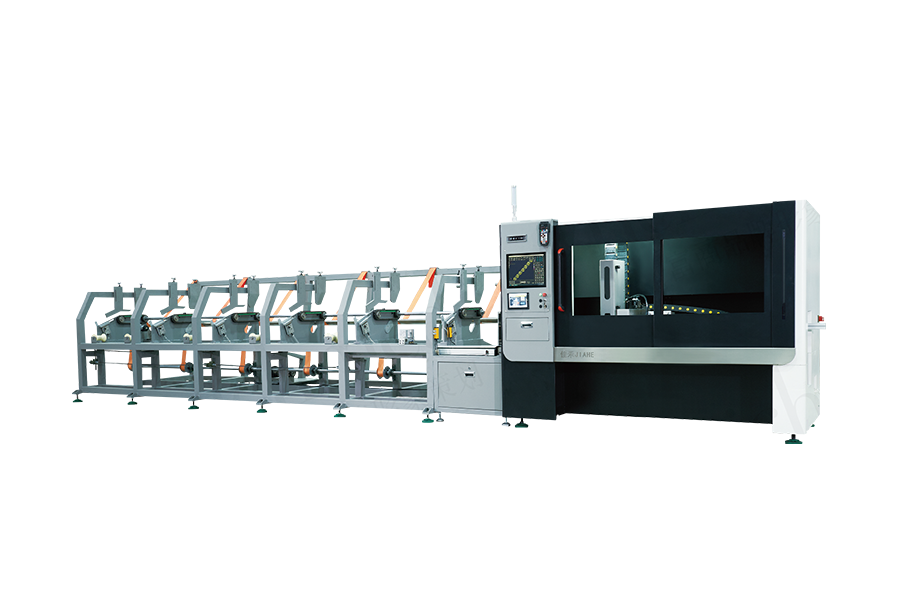
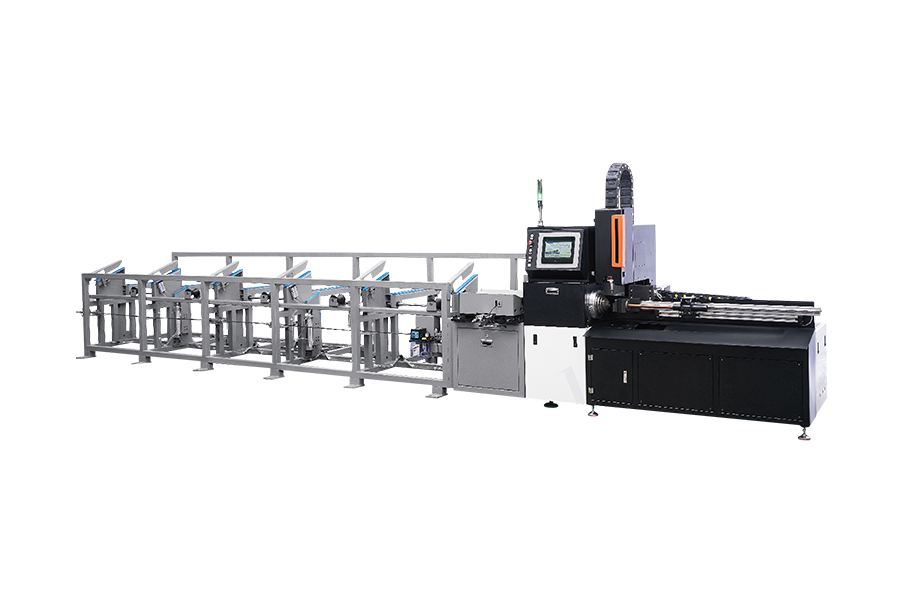
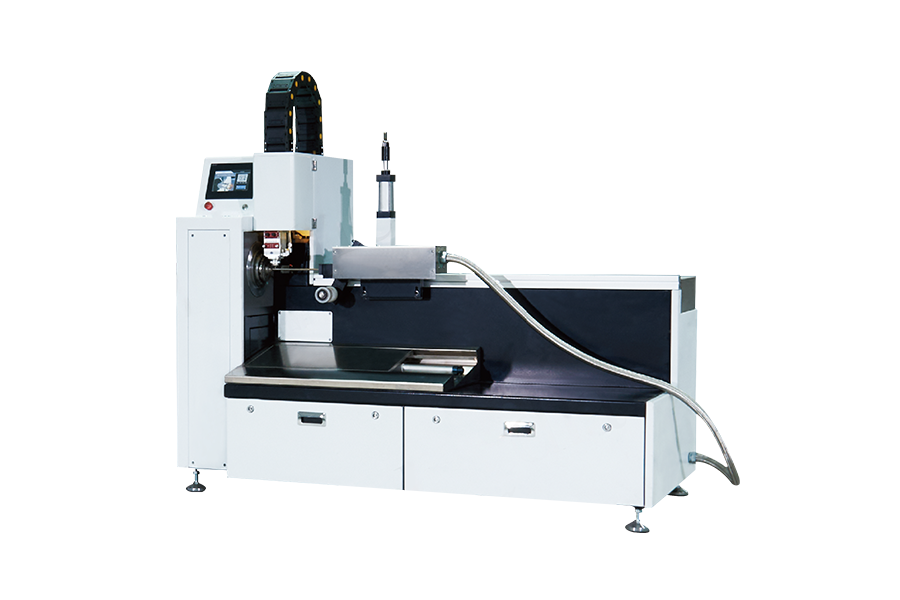
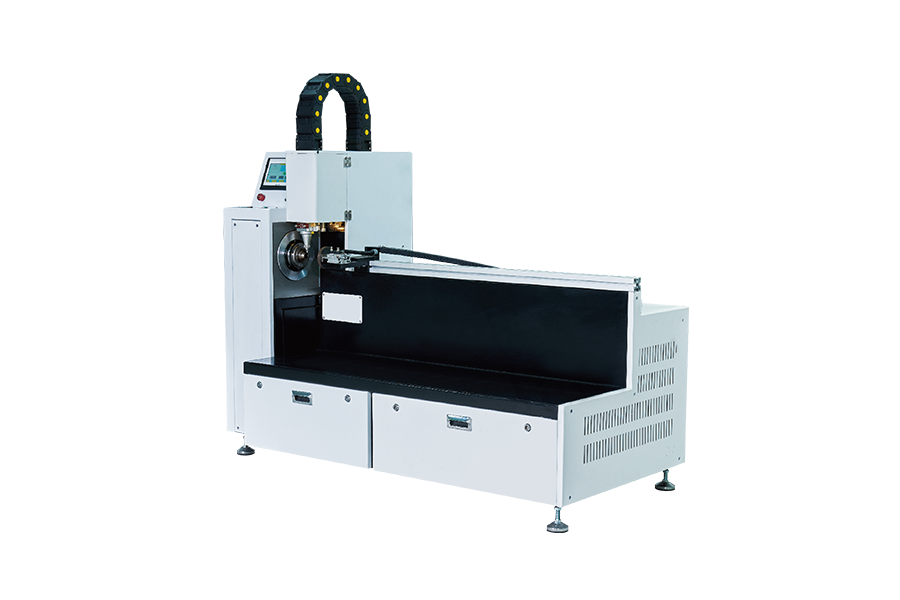
Professional R&D, production, sales and after-sales integration.
We have many years of experience in R&D of automation technology and laser technology
As global industries continue to modernize their production processes, pipe fabrication workshops are under growing pressure to improve accuracy, reduce material waste, and shorten delivery times. From construction steel structures and automotive components to fitness equipment and industrial piping systems, manufacturers are handling increasingly complex tube-processing requirements. In this environment, CNC Laser Pipe Cutting has become a popular topic among engineers and procurement teams looking to improve productivity while maintaining consistent quality.
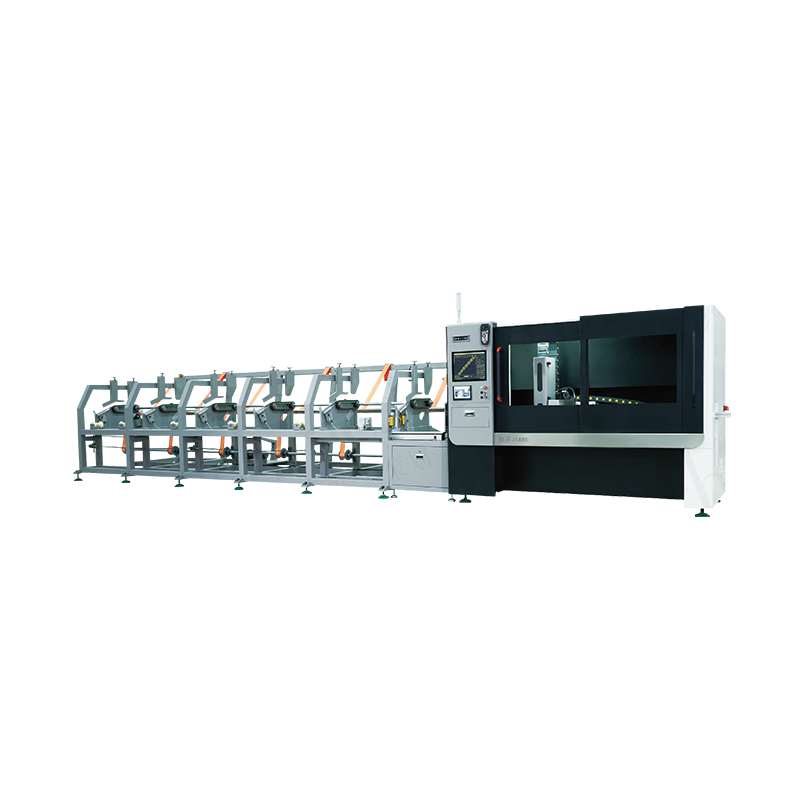
Recent discussions across manufacturing communities reveal that buyers are searching for solutions that can handle multiple pipe profiles, reduce secondary processing, and support flexible production without increasing labor requirements.
Why Are Manufacturers Moving Away from Conventional Pipe Cutting?
Traditional cutting methods often require multiple production steps, including marking, cutting, deburring, and additional finishing. These processes can slow production and increase the possibility of dimensional inconsistencies.
Today's buyers are looking for equipment that can:
- Produce cleaner cutting edges with less post-processing
- Improve dimensional consistency across batches
- Handle complex cutting patterns efficiently
- Reduce manual intervention during production
For manufacturers serving industries with strict assembly requirements, these advantages can help streamline downstream operations.
How Is Demand for Custom Tube Processing Changing the Market?
A growing number of customers require customized tube components rather than standardized parts. This trend is especially visible in metal furniture, agricultural equipment, fitness machines, and architectural structures.
As a result, fabrication shops need cutting systems capable of:
- Processing round, square, and rectangular tubes
- Supporting variable production volumes
- Quickly switching between different product designs
- Maintaining precision across diverse materials
Flexible manufacturing capability is becoming a major factor in equipment investment decisions.
Why Is Material Utilization Receiving More Attention?
Material costs remain a significant concern for manufacturers worldwide. Buyers are increasingly evaluating how cutting technology affects raw material utilization and production efficiency.
Key considerations include:
- Accurate nesting and cutting path optimization
- Reduced scrap generation
- Consistent cutting quality throughout production runs
- Better utilization of expensive metal materials
Improving material efficiency not only lowers production costs but also supports sustainability initiatives that many manufacturers are now prioritizing.
How Does Automation Help Address Labor Challenges?
Labor shortages and rising labor costs continue to affect manufacturing facilities in many regions. As a result, companies are investing in equipment that can automate repetitive tasks while maintaining production consistency.
Procurement teams are focusing on machines that offer:
- Reduced operator dependency
- Simplified programming and operation
- Stable performance during long production shifts
- Faster setup between production jobs
This shift is driving greater interest in automated tube-processing solutions that can support both high-mix and batch production environments.
Why Is Cutting Accuracy So Important for Downstream Assembly?
Inaccurate pipe cutting can create challenges throughout the production chain, including welding, fitting, and final assembly. Even small dimensional deviations may result in additional labor costs and delayed delivery schedules.
Manufacturers increasingly prioritize equipment capable of delivering:
- Consistent cut lengths and profiles
- Precise hole positioning and contour cutting
- Smooth edge quality
- Reliable repeatability across production batches
These factors help improve assembly efficiency while reducing rework requirements.
Manufacturer Insight: Flexibility Is Becoming a Competitive Advantage
As a mechanical and electrical technology manufacturer, we have observed that customers are placing greater value on production flexibility than ever before. Instead of investing only in high-volume equipment, many buyers are seeking systems that can adapt to changing product requirements.
Common OEM and industrial buyer requirements include:
- Multi-profile tube processing capability
- Compatibility with different material thicknesses
- Efficient operation in limited workshop space
- Easy integration into existing production workflows
This reflects a broader trend toward agile manufacturing strategies in global markets.
Is Intelligent Pipe Processing the Next Step for Fabrication Workshops?
As fabrication industries continue to balance efficiency, quality, and production flexibility, equipment selection is becoming a strategic decision rather than a simple machinery purchase. Buyers are increasingly searching for technologies that reduce waste, simplify workflows, and support future production needs.
For workshops aiming to improve competitiveness and production consistency, investing in an Automatic Pipe Cutting Machine can provide a practical path toward more efficient and adaptable tube-processing operations.
 +86-0576-88365555
 +86-18858615555 / +86-15958622266
 No. 3, Building 9, Pan'ao Pioneer Park, Daxi Town, Wenling City, Taizhou City, Zhejiang Province, China