
 en
en English
 中文简体
中文简体 русский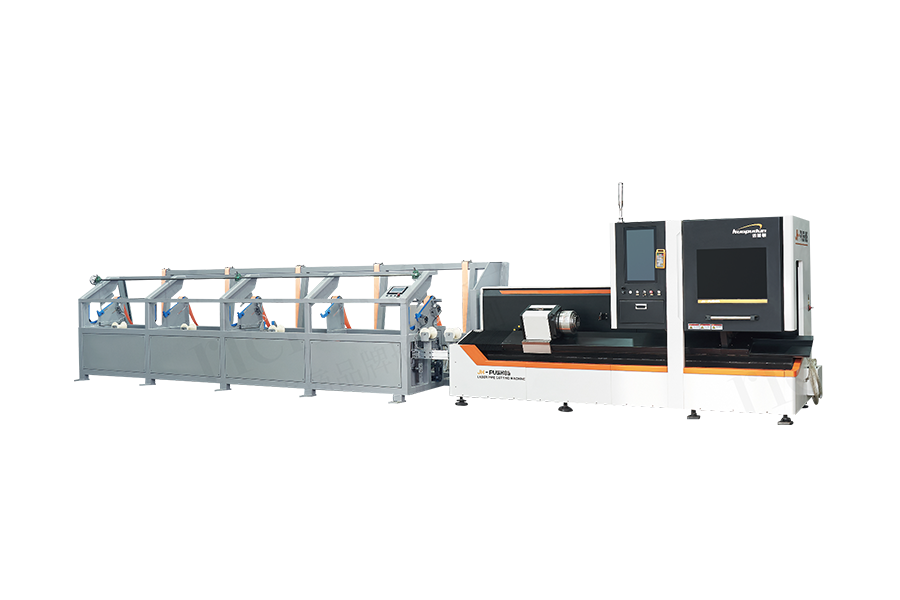
Professional R&D, production, sales and after-sales integration.
We have many years of experience in R&D of automation technology and laser technology
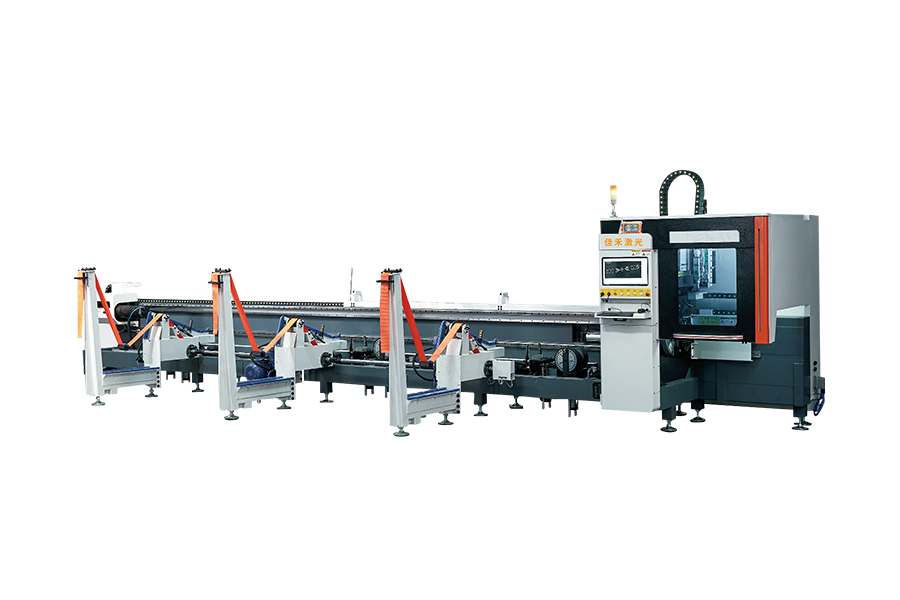
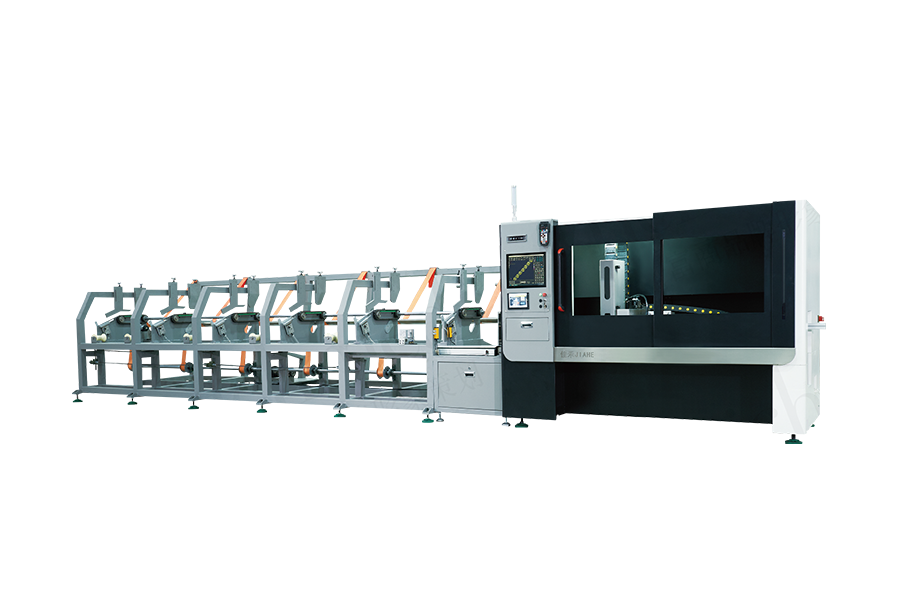
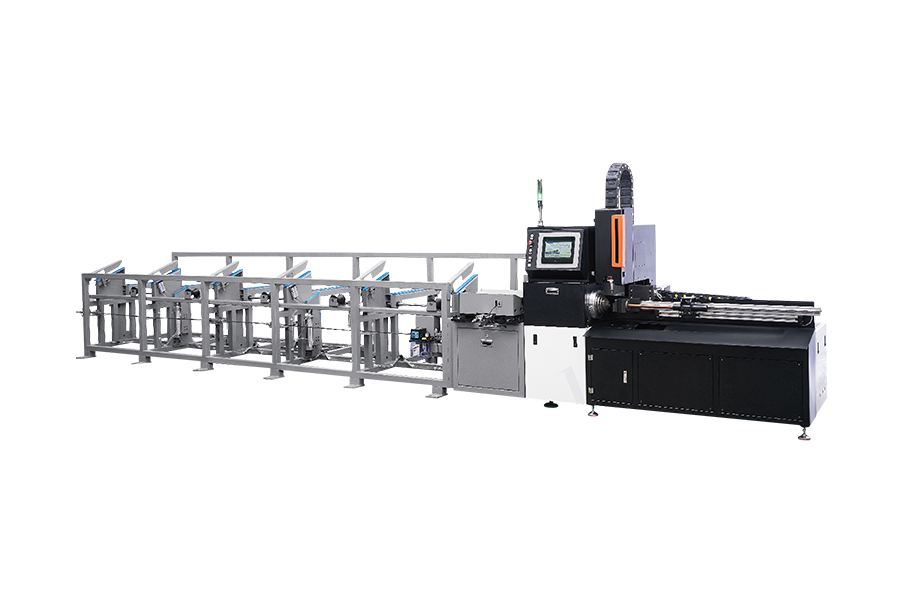
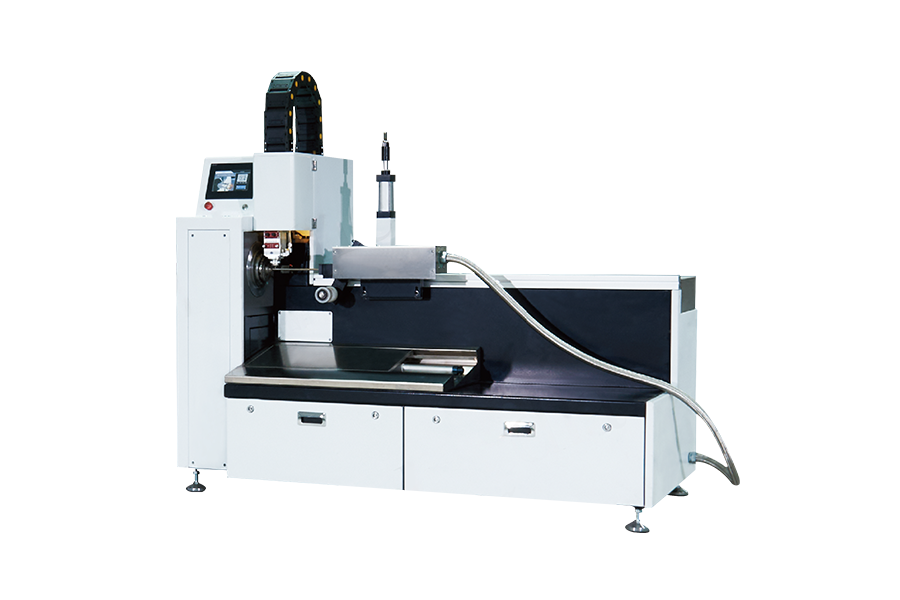
CNC Laser Pipe Cutting technology is becoming increasingly important as manufacturers face rising pressure to improve production efficiency, reduce material waste, and maintain stable product quality. Across industries such as construction engineering, metal furniture manufacturing, automotive components, and HVAC systems, buyers are no longer satisfied with basic processing capability alone. Today’s factories need equipment that can solve operational problems, support flexible production, and reduce long-term manufacturing costs. Meanwhile, many workshops still struggle with outdated cutting systems that create delays, inconsistent precision, and unnecessary labor dependency.
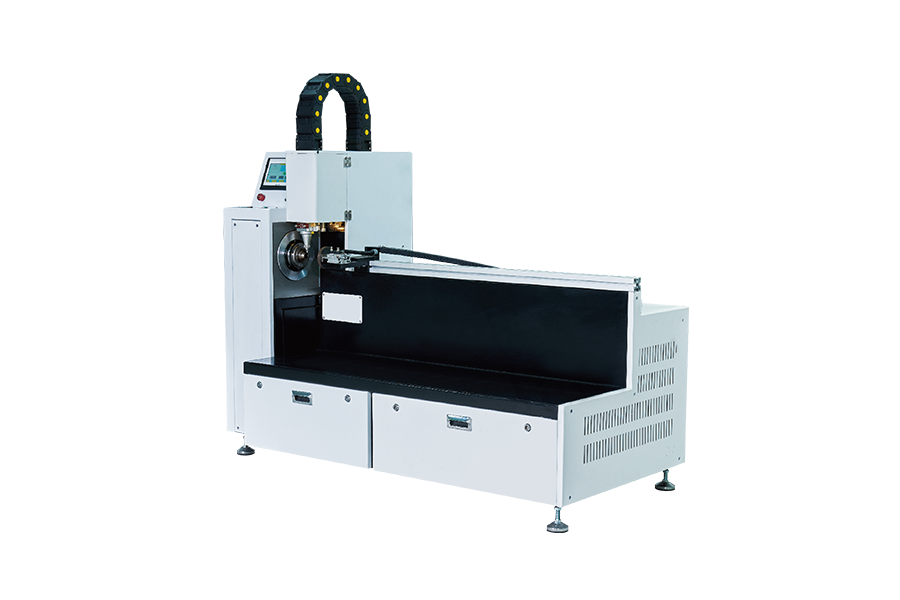
As global competition becomes more intense, manufacturers are paying closer attention to how modern pipe processing equipment can improve overall production performance.
Material Waste Is Quietly Increasing Production Costs
One of the biggest hidden challenges in traditional pipe processing is material waste caused by inaccurate cutting and repeated manual adjustment. In large-scale production environments, even small dimensional errors can gradually increase raw material consumption and reduce profitability.
Modern automated processing systems help manufacturers improve:
- Cutting consistency during batch production
- Material utilization efficiency
- Stability for customized processing tasks
- Dimensional accuracy for assembly applications
- Repeatability across different product specifications
For factories handling export orders and customized projects, reducing unnecessary waste has become an important way to improve operational efficiency.
Slow Processing Speed Is Affecting Delivery Performance
Traditional cutting equipment often requires manual positioning and repeated calibration before production begins. While this approach may still work for basic fabrication tasks, it can create delays when factories need to process multiple product specifications within tight delivery schedules.
Common production challenges include:
- Long equipment adjustment times
- Reduced workflow efficiency during order switching
- Higher labor involvement in repetitive tasks
- Increased downtime during production changes
- Difficulty maintaining stable delivery schedules
As overseas buyers continue demanding shorter lead times, factories are increasingly upgrading toward more efficient processing systems.
Labor Shortages Are Changing Factory Operations
Many manufacturing industries are facing labor shortages and rising workforce costs. Pipe processing operations that depend heavily on experienced manual operators may struggle to maintain stable production quality over long operating cycles.
Modern intelligent equipment helps reduce operational pressure by supporting:
- Simplified production management
- Reduced manual intervention
- Faster specification adjustment
- More stable cutting performance
- Improved workflow consistency
Automation is becoming especially valuable for manufacturers aiming to improve long-term production stability while reducing labor dependency.
Secondary Processing Is Reducing Efficiency
Traditional cutting methods often create rough edges or inconsistent pipe surfaces that require additional grinding and finishing work. These extra procedures increase both production time and labor costs.
Advanced processing technology helps reduce secondary operations through:
- Cleaner cutting surfaces
- More accurate edge quality
- Reduced burr formation
- Better preparation for welding and assembly
- Improved dimensional consistency
By minimizing unnecessary finishing procedures, manufacturers can improve overall production efficiency and shorten delivery cycles.
Portable Equipment Still Supports Practical Applications
Although automation continues growing rapidly, portable cutting equipment remains important in many industrial environments. Maintenance projects, construction sites, and installation teams often require flexible processing tools suitable for outdoor and temporary operations.
Portable systems remain popular because they provide:
- Convenient transportation between work locations
- Flexible operation for repair tasks
- Lower infrastructure requirements
- Easier setup in temporary environments
- Practical support for smaller production volumes
For many contractors and distributors, combining factory automation with portable cutting equipment remains a practical solution.
Future Pipe Processing Equipment Will Become Smarter
The global metal fabrication industry is steadily moving toward intelligent manufacturing and digitally connected production systems. Manufacturers are increasingly seeking equipment capable of supporting automation, precision management, and flexible production scheduling.
Future industry development will likely focus on:
- Smart production monitoring
- Automated parameter optimization
- Energy-efficient processing systems
- Remote maintenance capability
- Better integration with smart factory platforms
As industrial manufacturing continues evolving, advanced processing systems are expected to play an even larger role in improving factory competitiveness.
In conclusion, manufacturers today are looking for more than simple cutting capability. They need equipment that can solve production inefficiencies, improve operational consistency, and support flexible manufacturing requirements. As industrial processing standards continue rising globally, reliable Manual Pipe Cutting Machine equipment and advanced CNC Laser Pipe Cutting systems are expected to remain essential technologies across modern metal fabrication industries.
 +86-0576-88365555
 +86-18858615555 / +86-15958622266
 No. 3, Building 9, Pan'ao Pioneer Park, Daxi Town, Wenling City, Taizhou City, Zhejiang Province, China