
 en
en English
 中文简体
中文简体 русский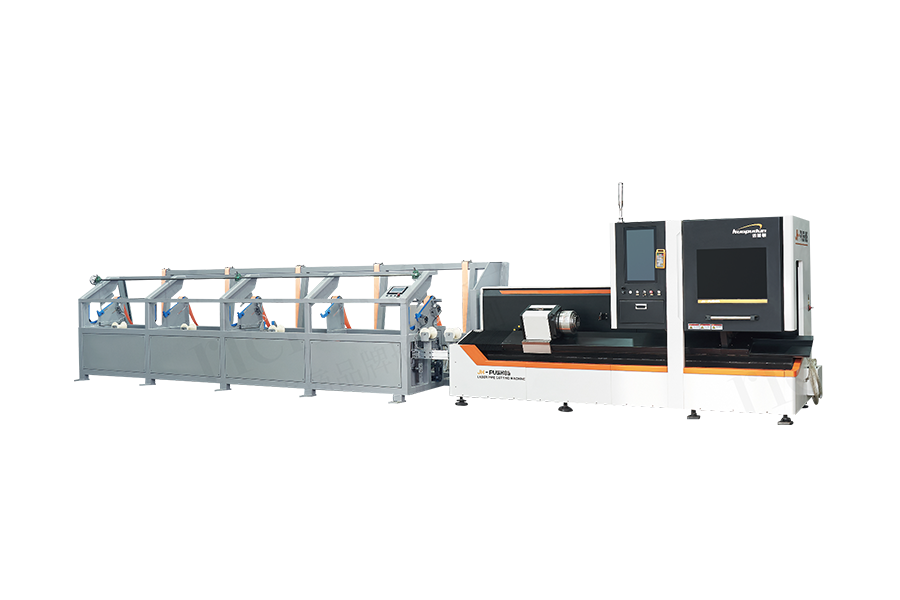
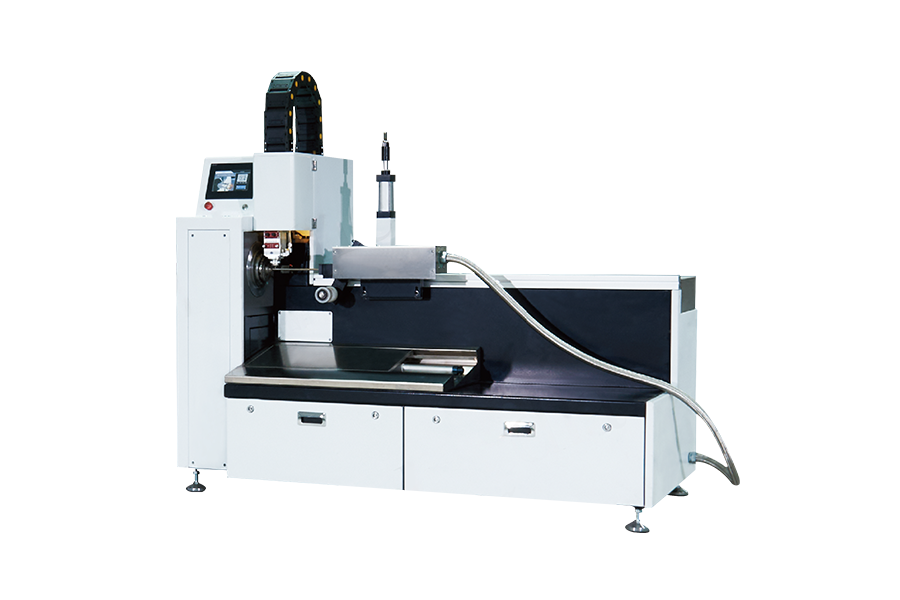
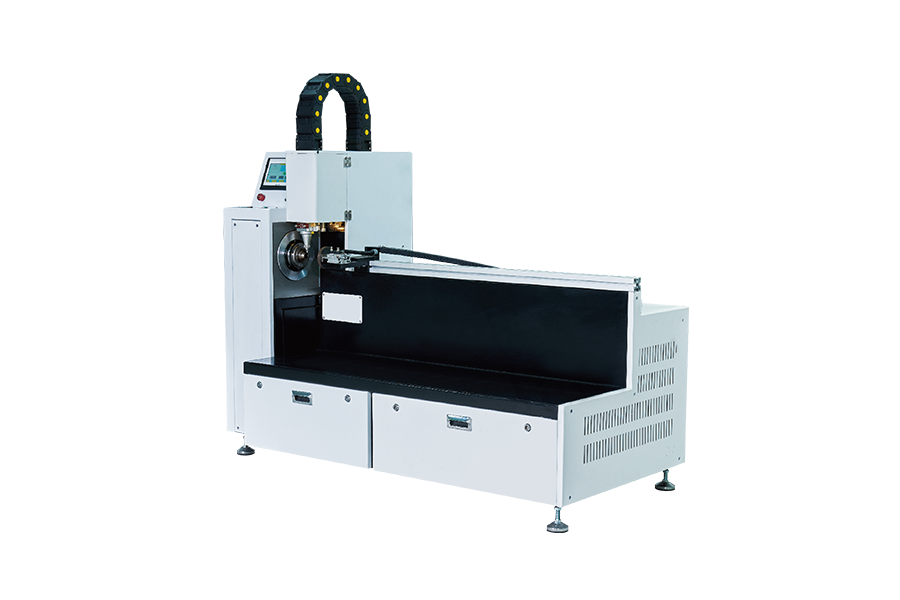
Professional R&D, production, sales and after-sales integration.
We have many years of experience in R&D of automation technology and laser technology
In today’s metal fabrication industry, pipe processing has moved from a basic cutting task to a highly controlled production stage that directly impacts assembly accuracy, welding quality, and overall project efficiency. As global manufacturing continues to prioritize speed, consistency, and cost control, workshops are rethinking how pipe cutting is handled on the shop floor.
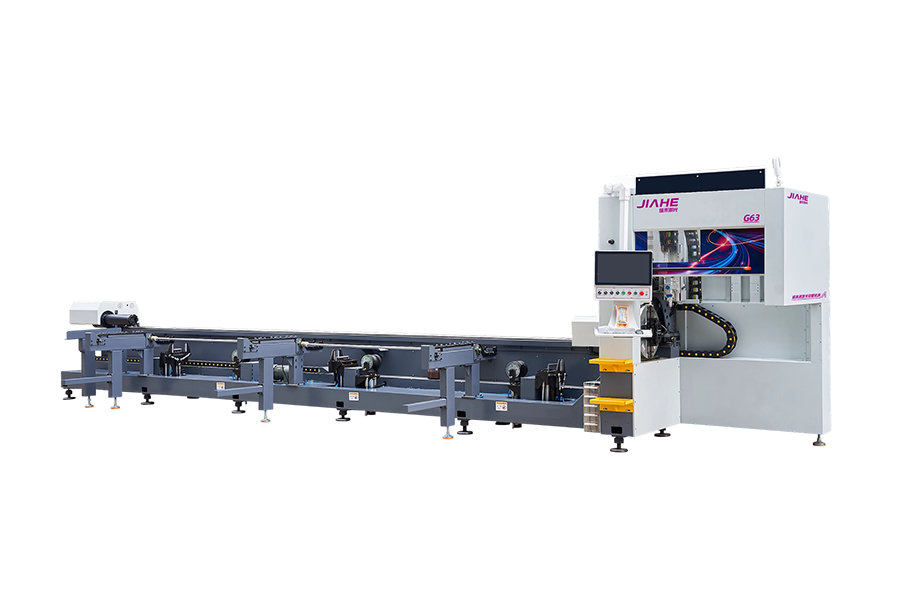
Recent overseas search behavior from engineers and procurement managers shows strong interest in keywords such as “precision tube cutting for industrial frames,” “laser-based pipe fabrication for stainless steel systems,” and “automated cutting solutions for HVAC piping.” These queries highlight a clear industry demand: reducing manual dependency while improving cutting accuracy and repeatability.
Manual Cutting Errors Are Still Affecting Downstream Assembly Quality
Even in many established workshops, manual or semi-automatic pipe cutting methods are still widely used. While they offer low entry cost, they often introduce variability that affects later assembly stages.
Common problems include:
- inconsistent cutting angles affecting weld alignment
- dimensional deviation between batches
- rework caused by inaccurate measurements
- increased scrap rates from miscuts
These issues become more critical in industries such as structural steel fabrication, automotive systems, and HVAC installation, where precision directly impacts project timelines.
Complex Structural Designs Require Higher Cutting Flexibility
Modern engineering designs are no longer limited to simple straight pipe layouts. Increasingly, fabrication projects require multi-angle cutting, complex intersections, and precise dimensional matching.
Engineers typically look for:
- accurate bevel cutting for welding preparation
- repeatable results across large production batches
- compatibility with multiple pipe diameters and materials
- reduced reliance on manual marking and alignment
This complexity is pushing workshops toward more advanced and programmable cutting systems.
CNC-Based Control Systems Are Improving Cutting Consistency
The integration of CNC technology into pipe cutting equipment has significantly improved production control. By linking digital design files directly to cutting operations, manufacturers can reduce human error and improve repeatability.
Key improvements include:
- automated execution of programmed cutting paths
- stable output quality across long production cycles
- reduced operator dependency for precision tasks
- improved alignment between design and fabrication results
For production teams, this means fewer adjustments during assembly and more predictable fabrication outcomes.
Material Waste Reduction Is Becoming a Key Cost Factor
Rising raw material costs have made efficiency a major concern for manufacturers. Cutting accuracy now directly influences profitability, especially in high-volume production environments.
Common inefficiencies include:
- excessive scrap due to inaccurate cutting
- poor nesting of pipe layouts
- repeated rework from measurement errors
- inconsistent length tolerances affecting assembly fit
Automated cutting systems help reduce waste by ensuring each cut follows precise digital specifications.
Production Speed Is Now Linked to Market Competitiveness
In global supply chains, delivery speed has become a major competitive factor. Manufacturers that can process pipe materials faster without sacrificing accuracy are gaining a clear advantage.
Key operational expectations include:
- faster batch processing capability
- reduced setup time between production runs
- stable performance during continuous operation
- minimal downtime for recalibration
This is especially important for suppliers serving infrastructure, construction, and industrial equipment sectors.
Digital Integration Is Reshaping Fabrication Workflows
Modern fabrication workshops are increasingly adopting digital tools to streamline production planning and execution. CAD/CAM integration with cutting systems is becoming more common in mid-to-large scale facilities.
Industry developments include:
- direct import of design files into cutting systems
- remote monitoring of production status
- reduced dependency on manual layout drawing
- improved traceability of manufacturing parameters
These improvements are helping workshops move toward more controlled and data-driven production environments.
Automation Is Becoming the Standard in Pipe Processing
As production demands continue to evolve, automation is no longer optional—it is becoming a baseline requirement for competitive manufacturing. Automated systems combine speed, precision, and consistency in a way manual processes cannot match.
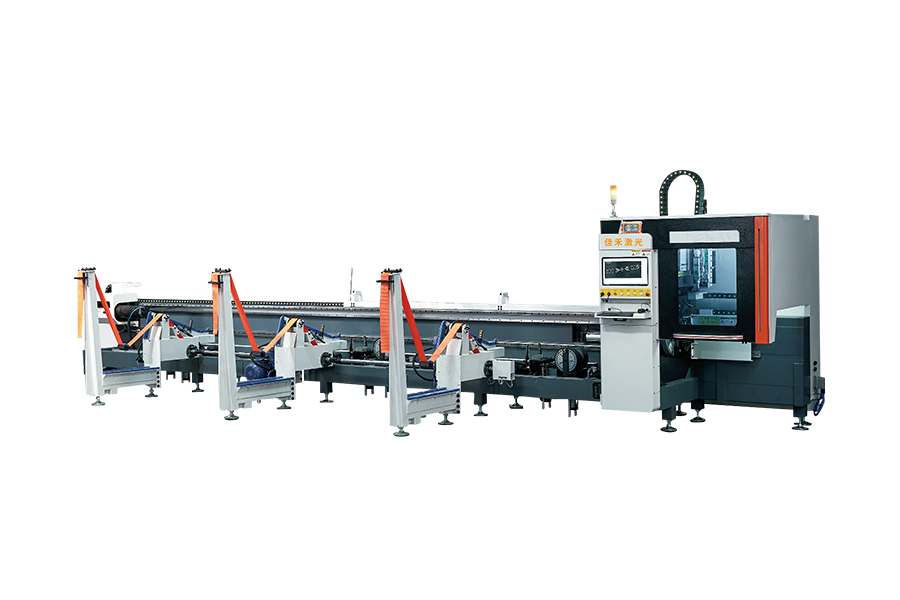
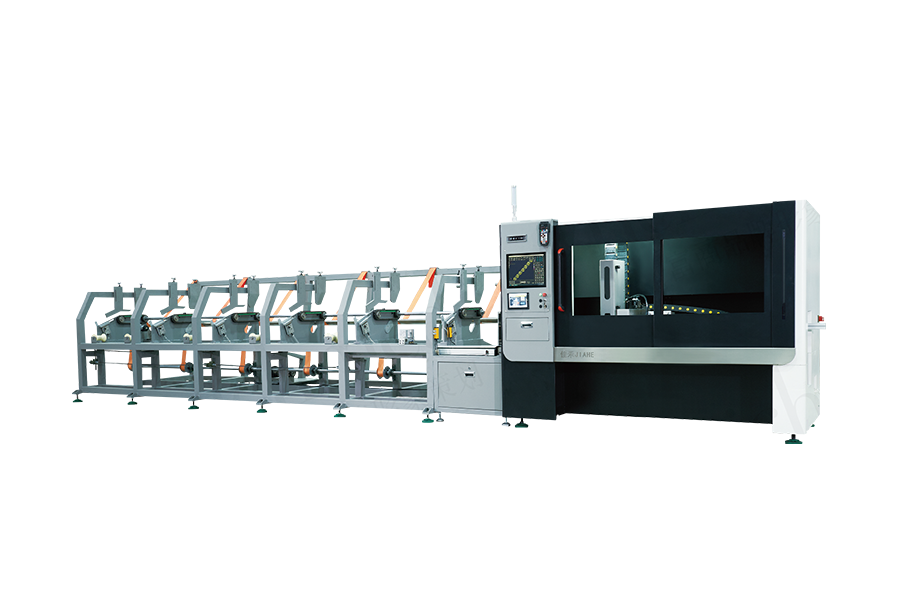
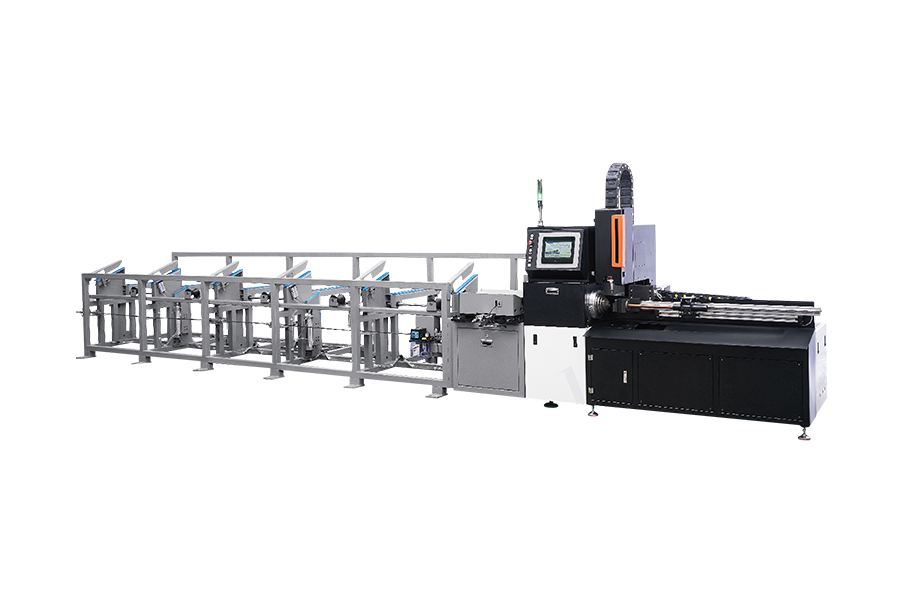
This is why demand for CNC Laser Pipe Cutting solutions continues to rise across global industries, while integrated systems like the Automatic Pipe Cutting Machine are increasingly adopted to improve production efficiency, reduce labor intensity, and ensure stable quality in modern fabrication operations.
 +86-0576-88365555
 +86-18858615555 / +86-15958622266
 No. 3, Building 9, Pan'ao Pioneer Park, Daxi Town, Wenling City, Taizhou City, Zhejiang Province, China