
 en
en English
 中文简体
中文简体 русский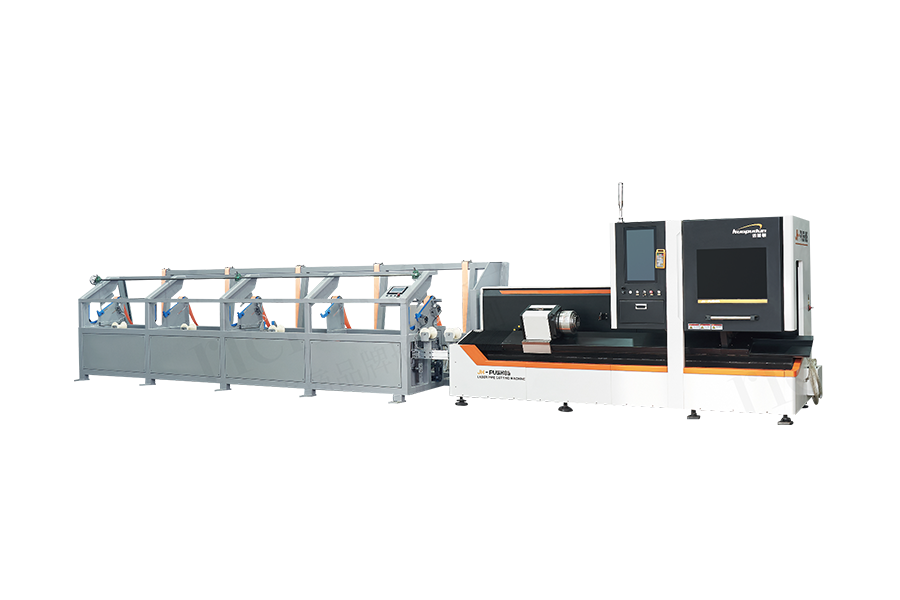
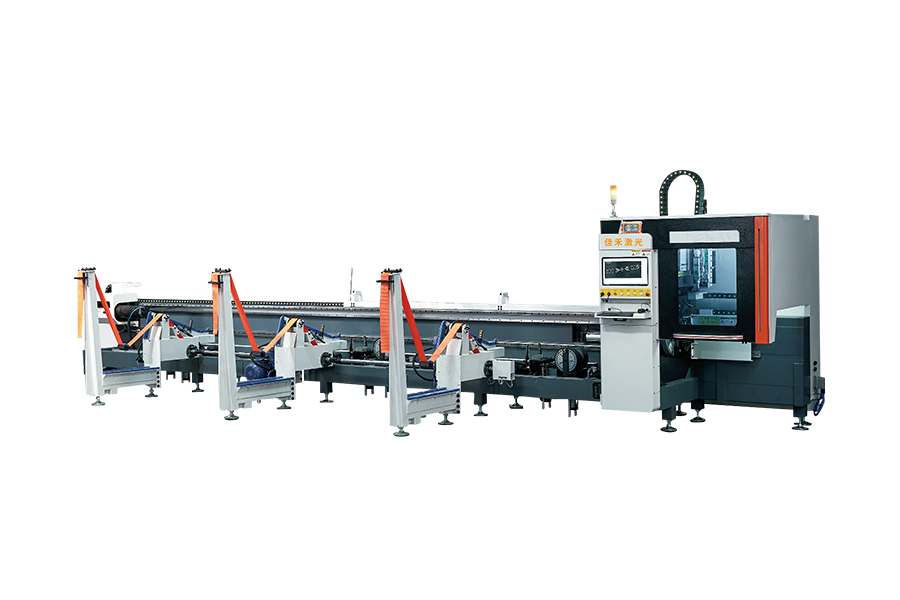
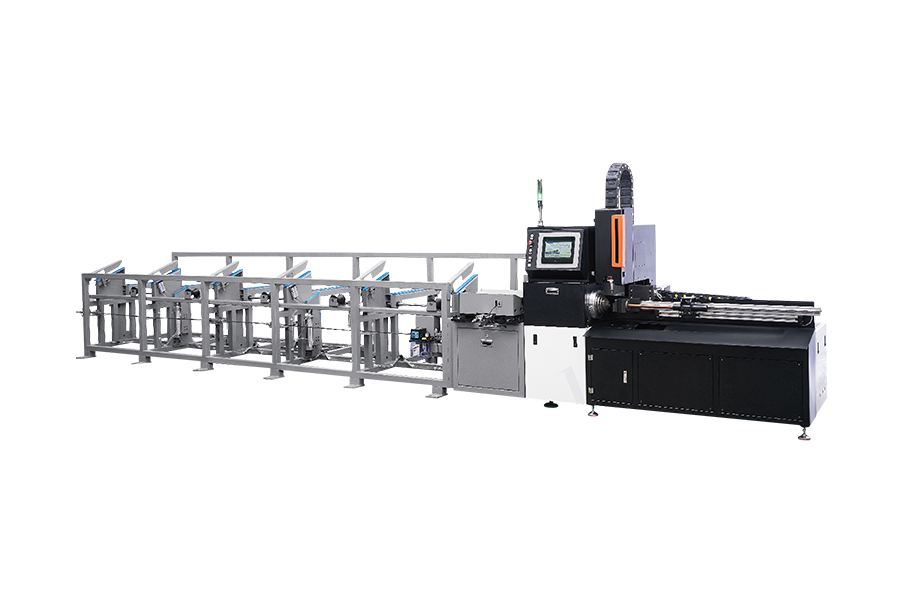
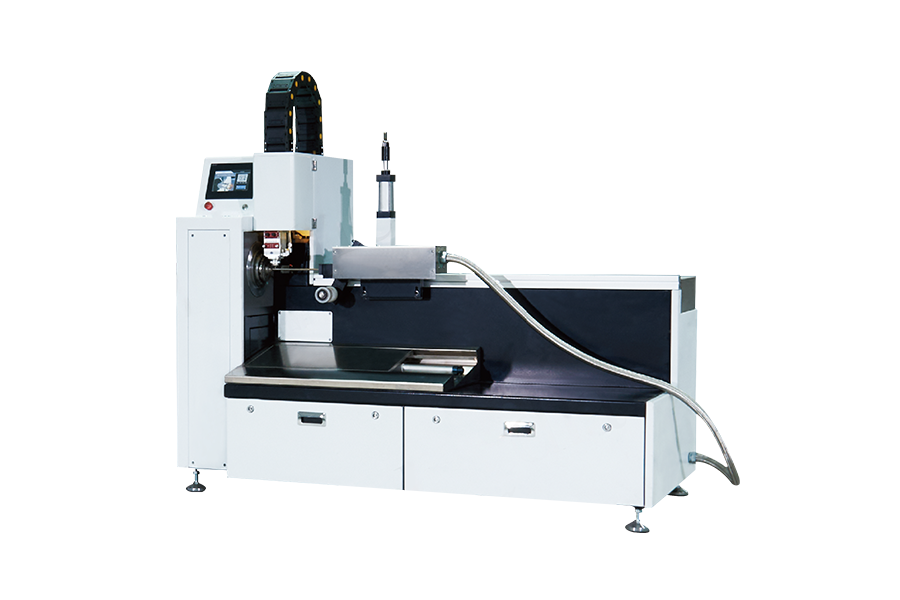
Professional R&D, production, sales and after-sales integration.
We have many years of experience in R&D of automation technology and laser technology
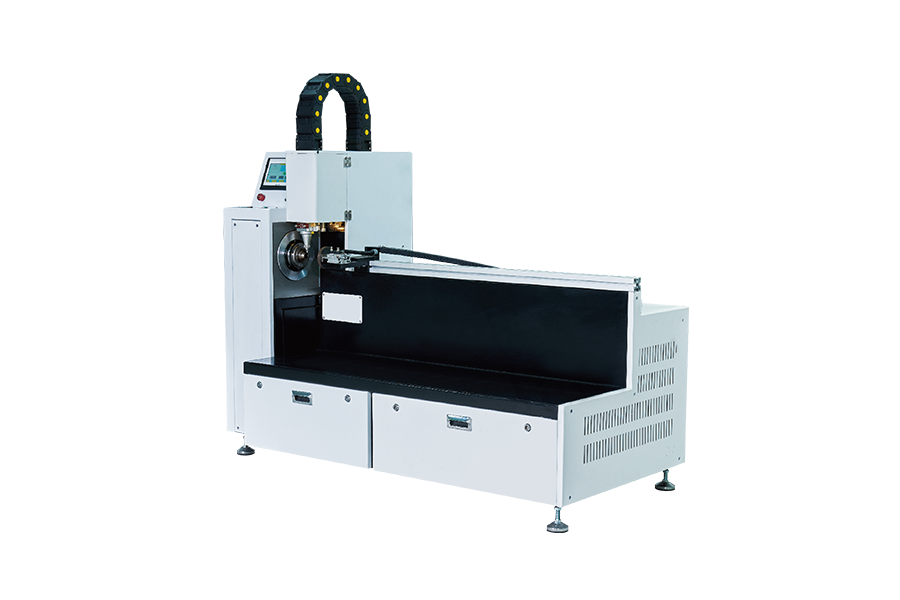
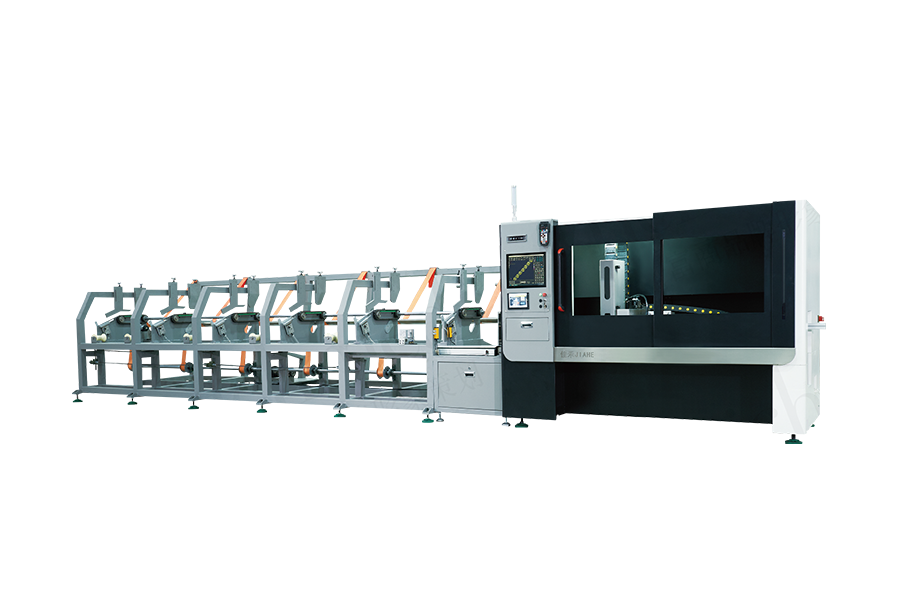
Rising material prices have pushed many fabrication shops to look elsewhere for cost savings, and cutting operations are increasingly under scrutiny. Buyers browsing industrial equipment listings this quarter are asking a specific question: how much of their material waste actually comes from the cutting stage itself? For plants trying to protect margins without cutting corners on quality, an automatic pipe cutting machine is being evaluated less as a productivity tool and more as a direct lever on material cost control.
Material Waste Is Getting Closer Scrutiny
Procurement teams have started tracking scrap rates by production stage rather than treating waste as a single blended figure. This granular approach has revealed that cutting kerf width, blade wear, and measurement drift contribute more to material loss than many plants previously assumed. When steel, copper, or aluminum pipe pricing fluctuates, even small improvements in cutting precision translate into measurable savings across high-volume runs.
Kerf Loss and Why It Matters More Than Buyers Expect
Every cut removes a small amount of material as kerf, and the width of that loss varies significantly between cutting methods. Buyers comparing equipment now ask suppliers directly about kerf width specifications, since narrower, more consistent cuts mean more usable pipe length from the same raw stock. Over thousands of cuts annually, this difference compounds into a noticeable material yield improvement that finance teams can quantify.
Common Cost Drivers Buyers Are Investigating
Several recurring cost factors appear in buyer inquiries when evaluating cutting equipment:
- Blade or cutting head lifespan relative to replacement cost
- Energy consumption per cutting cycle across different pipe materials
- Frequency of recalibration needed to maintain accuracy
- Scrap generated from failed or out-of-tolerance cuts
- Labor hours required for setup versus actual cutting time
Suppliers who can provide realistic figures for these factors, rather than general efficiency claims, tend to earn more buyer confidence during evaluation.
Energy Efficiency Has Entered the Conversation
With energy costs remaining a concern across manufacturing regions, buyers increasingly ask about power consumption during idle time versus active cutting cycles. Equipment that minimizes energy draw during changeovers or standby periods offers a secondary cost advantage that compounds over continuous shift operations, particularly in facilities running multiple shifts daily.
Quality Consistency Reduces Hidden Costs
Rework and customer returns tied to dimensional inconsistency carry costs that rarely appear in initial equipment comparisons. Buyers who have experienced returned batches due to length or angle deviation are now weighting cutting consistency heavily in their purchasing criteria, recognizing that a slightly higher equipment cost can be offset quickly by avoiding downstream quality claims from their own customers.
Total Cost of Ownership Over Purchase Price
Rather than comparing sticker prices alone, experienced buyers are calculating total cost of ownership across a multi-year period, factoring in maintenance frequency, consumable replacement, and expected material savings. This shift in evaluation approach reflects broader procurement maturity, particularly among mid-size fabricators competing against larger operations with tighter margins.
Questions Worth Asking Before Committing to a Supplier
Buyers serious about cost control should request documented kerf width specifications, expected consumable replacement intervals, and energy consumption figures under typical operating conditions. These details, more than headline cutting speed, determine whether equipment delivers genuine savings over its operating life.
As a manufacturer producing cutting equipment for industrial applications, we've worked with fabrication clients who reduced material waste meaningfully simply by switching to a more precise automatic pipe cutting machine. For buyers focused on protecting margins amid volatile material pricing, cutting-stage efficiency deserves the same scrutiny typically reserved for raw material sourcing decisions.
 +86-0576-88365555
 +86-18858615555 / +86-15958622266
 No. 3, Building 9, Pan'ao Pioneer Park, Daxi Town, Wenling City, Taizhou City, Zhejiang Province, China