
 en
 English
 中文简体
 русский
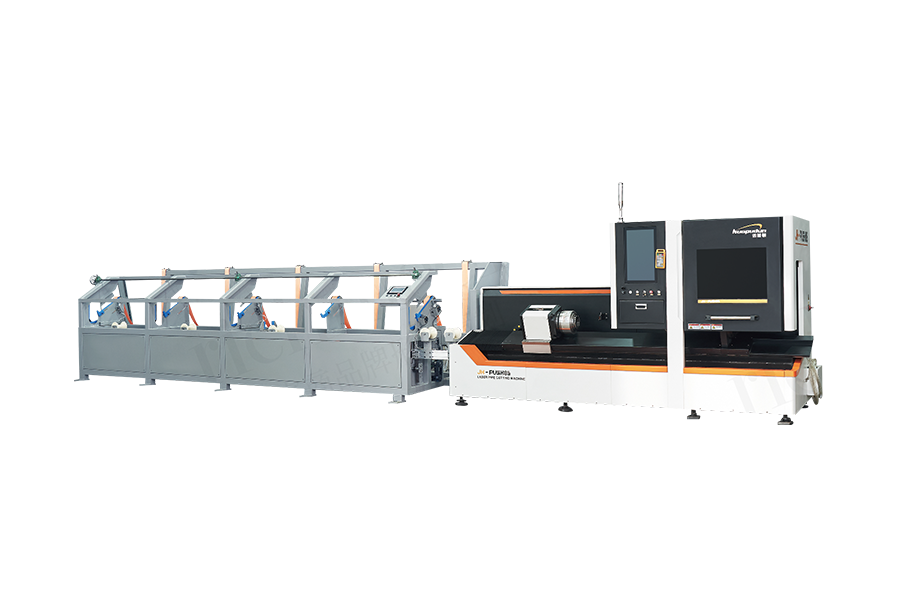
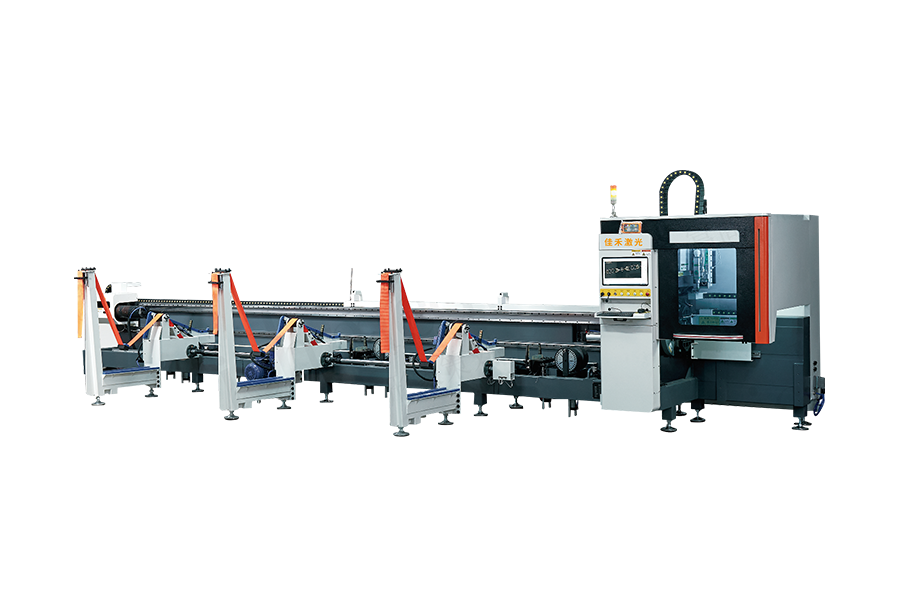
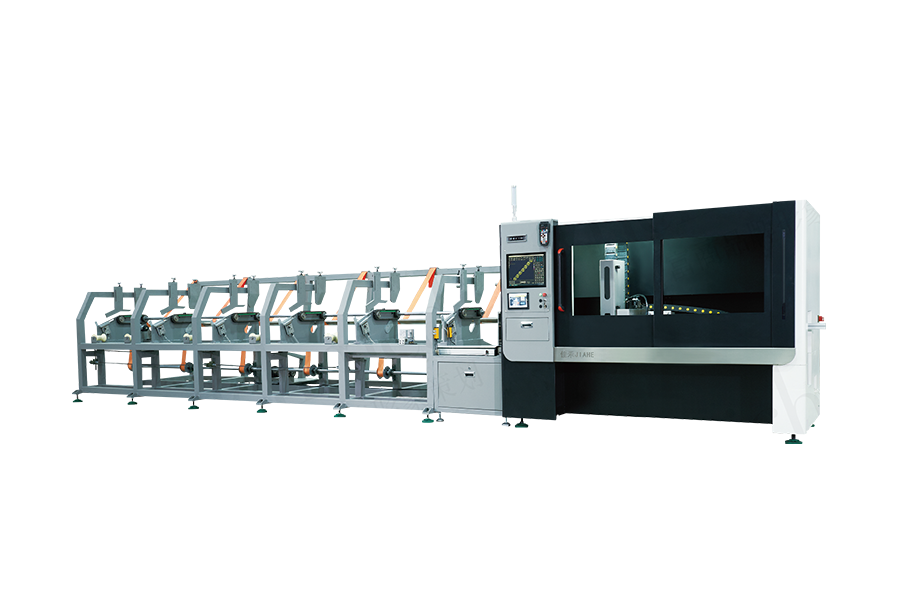
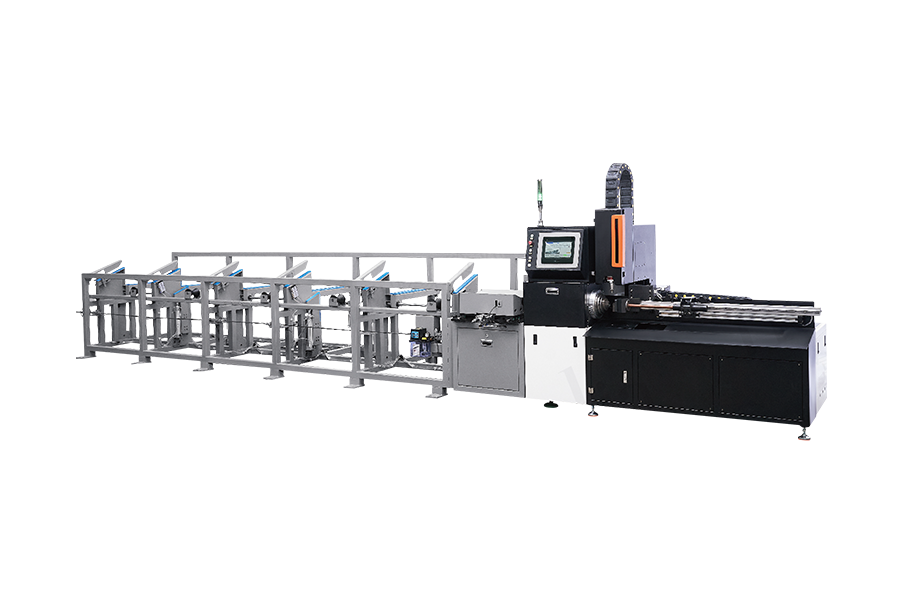
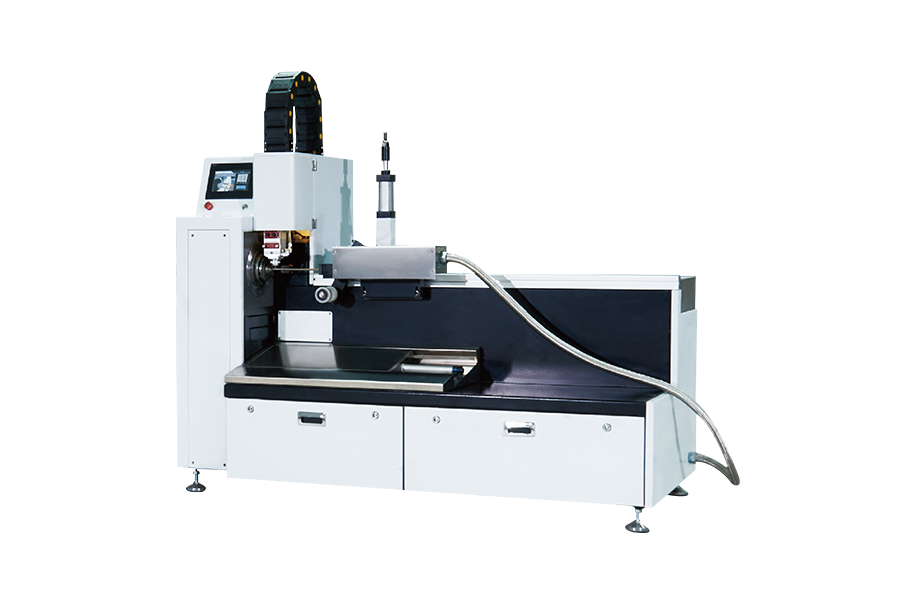
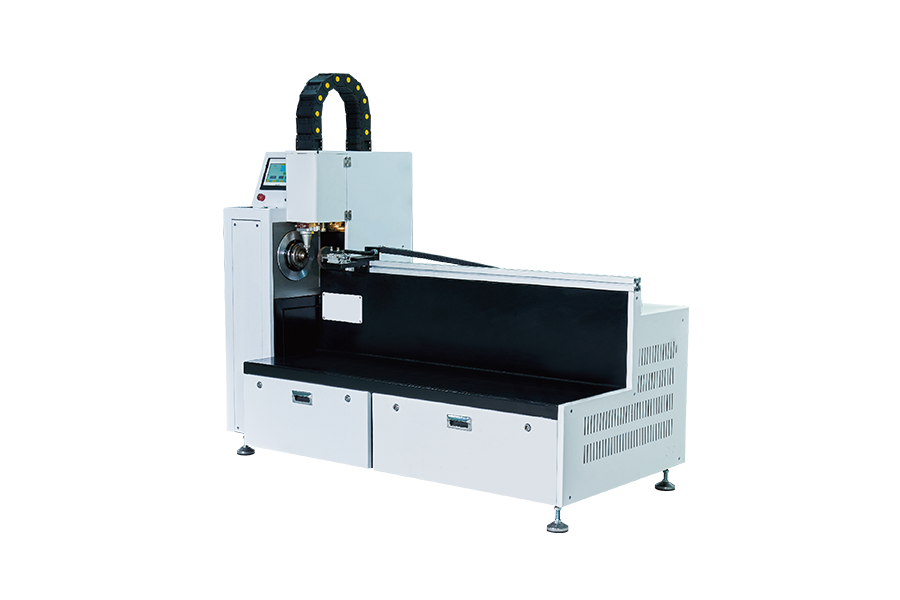
Professional R&D, production, sales and after-sales integration.
We have many years of experience in R&D of automation technology and laser technology
In tube manufacturing, equipment problems do not always begin with a sudden breakdown. Gradual changes in cutting performance, loose connections, worn components, or inconsistent material feeding may affect production before operators recognize a clear fault. For factories processing tubes every day, routine equipment checks are therefore an important part of production management. A practical maintenance plan can help identify developing issues, organize service work, and keep the cutting process aligned with manufacturing requirements.
Recognize Changes Before They Interrupt Production
Operators often notice early signs of equipment problems during normal work. Unusual sounds, increased vibration, irregular feeding, or changes in the appearance of cut edges may indicate that an inspection is needed.
These signs do not always point to the same cause. A cutting issue may come from a worn cutting component, unsuitable parameters, unstable workpiece positioning, or a problem with the material itself. Checking the equipment systematically is more useful than immediately replacing parts without identifying the source.
Production teams should record recurring abnormalities and the conditions under which they occur. This information can help maintenance personnel distinguish isolated incidents from patterns that require further investigation.
Inspect Cutting Components According to Usage
Cutting components are subject to wear, and their service requirements depend on the material being processed, cutting conditions, production volume, and equipment design. Continuing to use a component after its performance has deteriorated may affect edge quality and increase the need for secondary finishing.
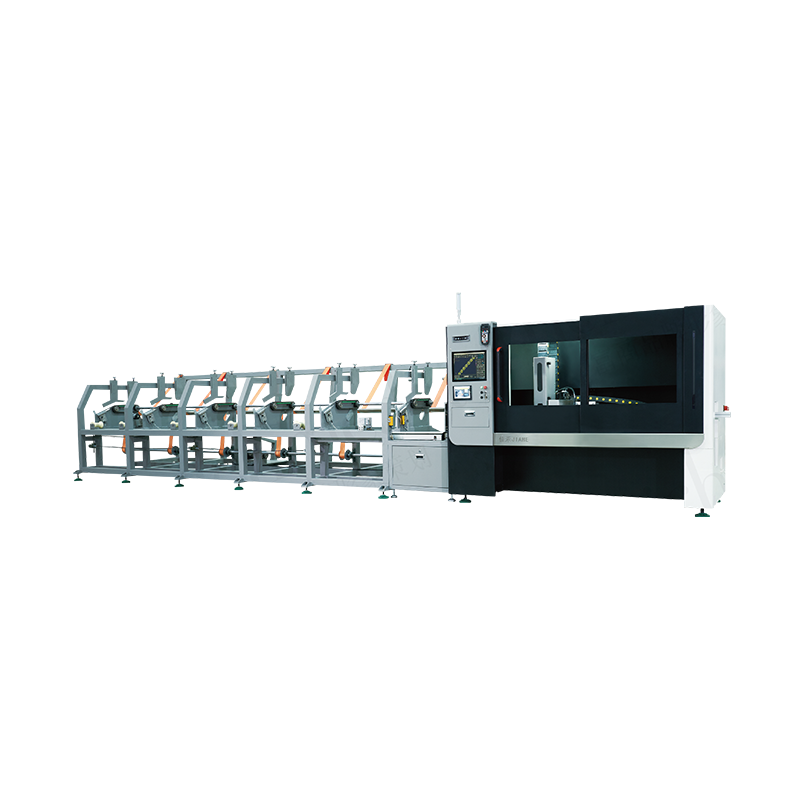
A Tube Cutting Machine maintenance schedule should therefore include regular inspection of relevant cutting parts. Operators need clear guidance on what signs to check, when to report deterioration, and how replacement should be carried out safely.
The replacement interval should be based on the manufacturer's instructions and actual operating conditions rather than an assumed universal service life. This approach helps factories manage consumables without replacing serviceable parts unnecessarily.
Keep Clamping and Feeding Mechanisms in Good Condition
Stable tube positioning is essential throughout the cutting cycle. If clamping components become loose, contaminated, or worn, the tube may not remain properly positioned during processing.
Feeding mechanisms also require attention. Residue, damaged contact surfaces, or misaligned components may interfere with smooth material movement. These conditions can lead to interruptions or inconsistent positioning even when the cutting unit itself remains functional.
Routine checks should cover the relevant moving parts, clamping surfaces, guides, and adjustment points specified for the machine. Cleaning and adjustment should follow the equipment's operating instructions, with power isolated whenever required for safe maintenance.
Maintain Clean Working and Contact Surfaces
Metalworking environments can expose equipment to dust, chips, lubricant residue, and other process debris. If these materials accumulate around moving components, sensors, or workpiece contact areas, they may interfere with operation or make inspection more difficult.
Cleaning procedures should reflect the machine structure and the materials being processed. Operators should avoid using unsuitable cleaning methods that could damage electrical components, protective surfaces, or sensitive parts.
A clean working area also makes abnormalities easier to identify. Loose fasteners, damaged guards, fluid leakage, and unusual wear are generally easier to notice when inspection points are accessible and free from unnecessary buildup.
Check Electrical and Safety Functions Regularly
Maintenance should include the electrical and safety systems specified for the equipment. Depending on the machine configuration, inspections may cover cables, connectors, control functions, emergency stops, protective guards, and relevant interlocks.
These checks should be performed by personnel with appropriate training. Safety devices should never be bypassed to keep production running, and any fault affecting safe operation should be addressed before the machine returns to service.
For manufacturers, documenting inspection results also helps establish whether a recurring interruption is related to a component, operating practice, or maintenance procedure.
Prepare Spare Parts Around Actual Production Needs
A missing replacement component can extend downtime when a part eventually requires service. However, holding excessive inventory can also create unnecessary cost, especially when different machine configurations use different components.
Factories should identify parts that are subject to regular wear or are essential to restoring operation. Their availability can then be planned according to usage frequency, replenishment lead time, and the consequences of a production interruption.
When purchasing a Tube Cutting Machine, buyers should ask for clear maintenance instructions, part identification, and recommended service items. This information helps maintenance teams prepare for routine work and future replacement needs.
Build Maintenance Into the Production Plan
Preventive maintenance is most useful when it forms part of normal production management rather than being postponed until equipment performance declines. Operators, maintenance personnel, and production planners should understand their respective responsibilities and keep records of inspections, adjustments, and replaced components.
For manufacturers, equipment selection should consider not only cutting capability but also maintenance access, operating instructions, and the availability of appropriate service components. A suitable Tube Cutting Machine, supported by a realistic maintenance routine, can help factories manage wear more systematically and maintain a more predictable production process.
 +86-0576-88365555
 +86-18858615555 / +86-15958622266

 No. 3, Building 9, Pan'ao Pioneer Park, Daxi Town, Wenling City, Taizhou City, Zhejiang Province, China
