
 en
en English
 中文简体
中文简体 русский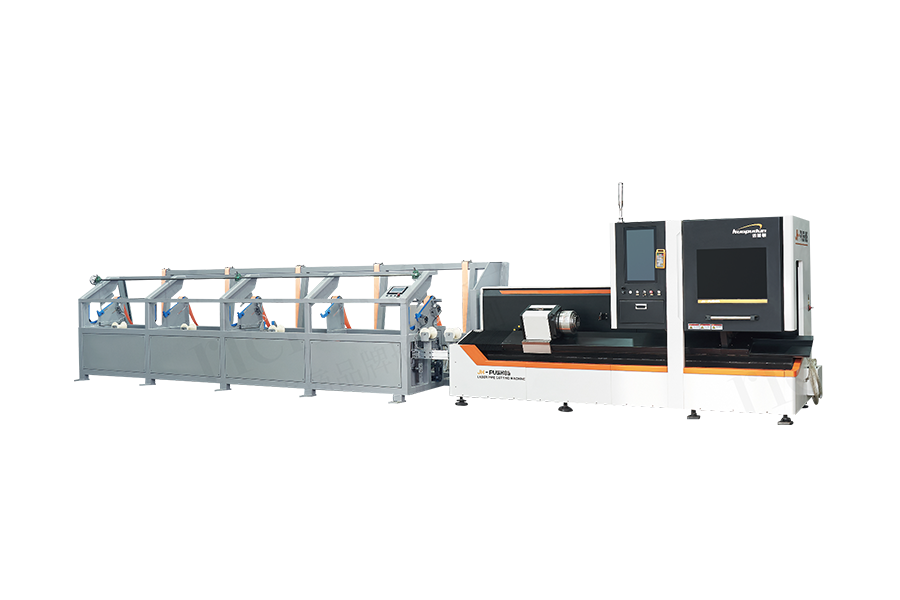
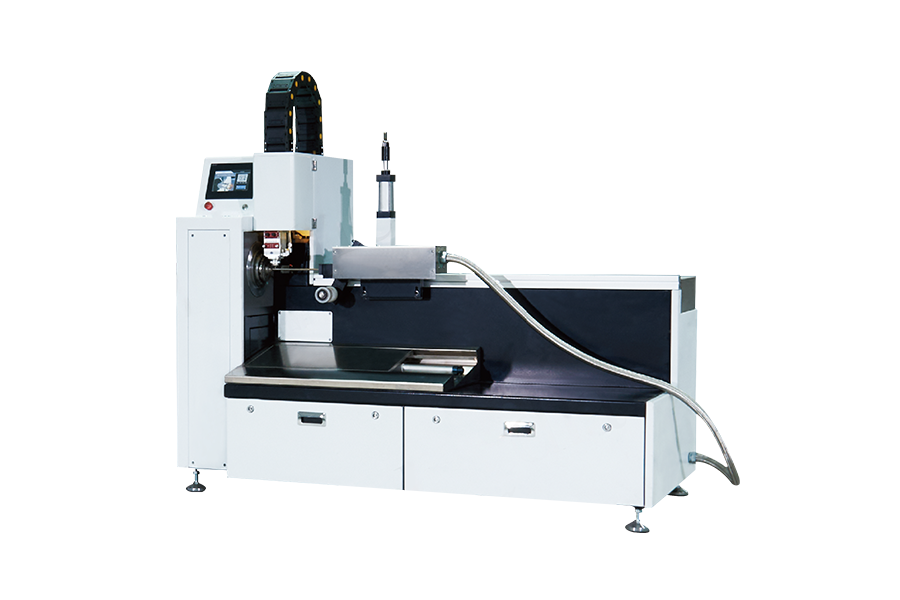
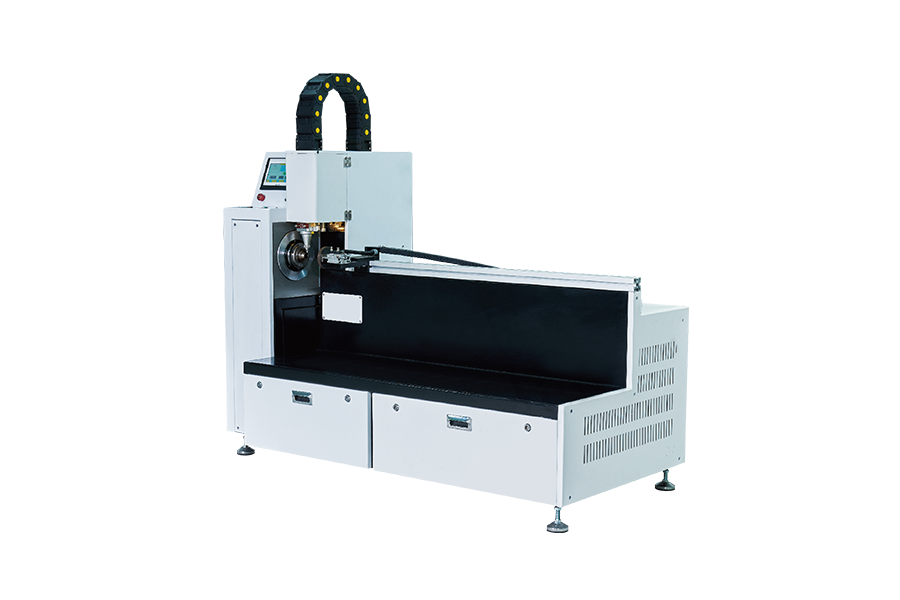
Professional R&D, production, sales and after-sales integration.
We have many years of experience in R&D of automation technology and laser technology
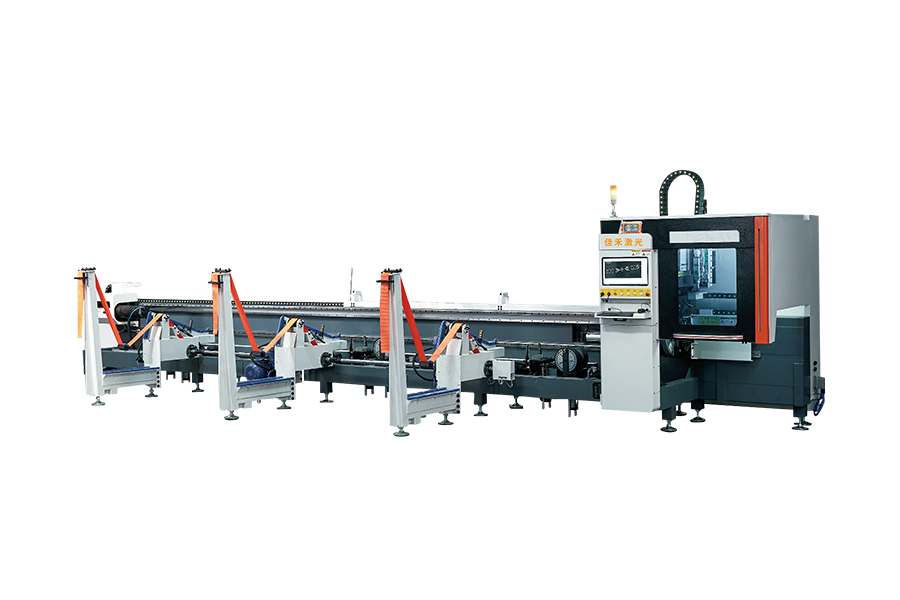
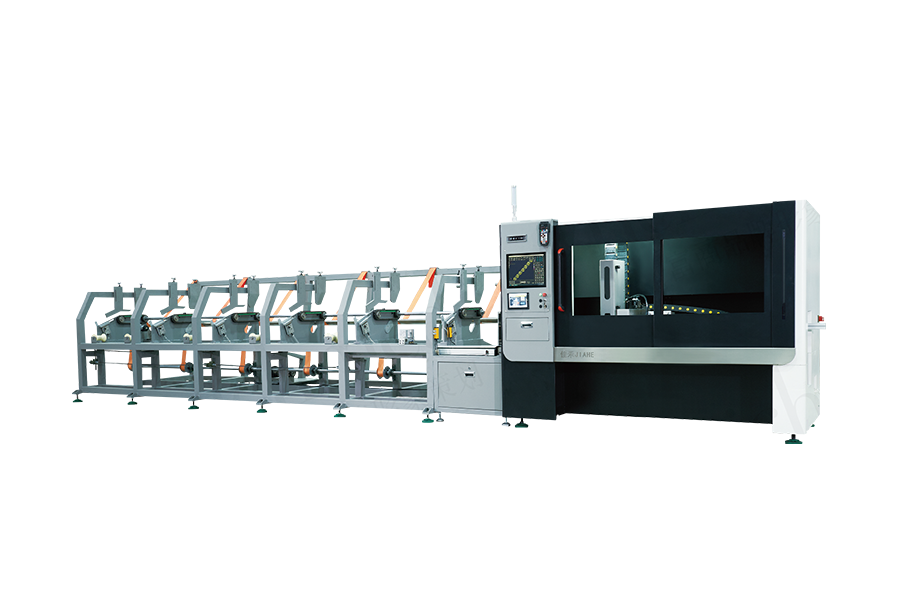
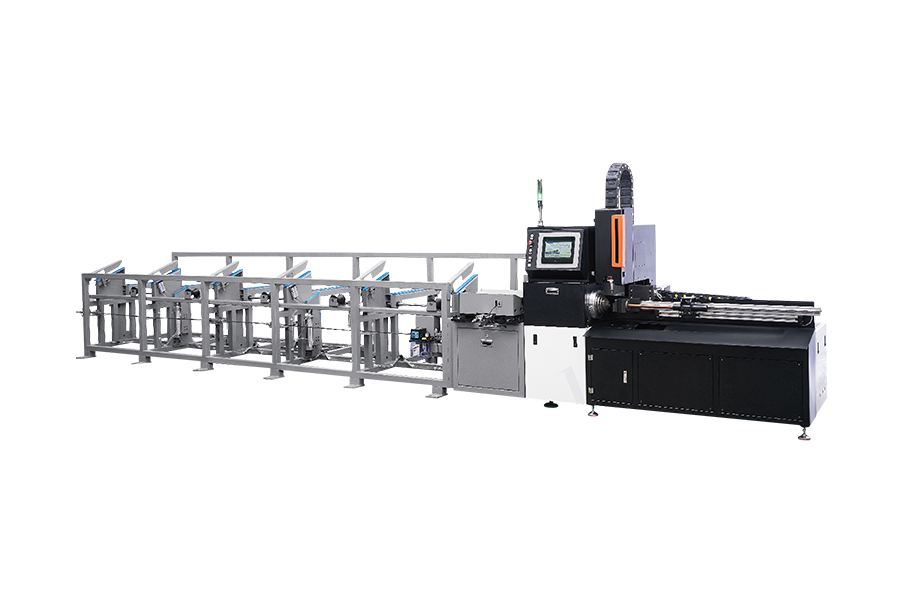
As tube and pipe manufacturers face pressure to improve production consistency while managing labor and material use, cutting is receiving more attention as a key stage in the fabrication workflow. Recent industry discussions around smart manufacturing, robotics, and integrated tube processing show that automation is moving beyond isolated machine functions. For manufacturers, an Automatic Pipe Cutting Machine can help address practical issues such as repetitive handling, inconsistent cutting operations, setup changes, and the need to maintain stable output across different production requirements.
Where Does Manual Cutting Create Production Bottlenecks?
Cutting pipes manually or with semi-automatic equipment often involves several separate actions: positioning the material, measuring the required length, securing the pipe, cutting, and removing the finished piece. When production involves repeated batches, these handling steps can become a source of variation.
The issue is not simply cutting speed. Operators also need to maintain consistent positioning and repeat the same process throughout a production run. Automation can reduce unnecessary manual intervention and create a more structured cutting workflow.
Why Is Accurate Pipe Positioning Important?
A cutting system can only produce consistent results when the pipe is correctly positioned before processing. Variations in feeding, clamping, or measurement may affect finished dimensions and create additional work later in fabrication.
For this reason, buyers evaluating an automated pipe cutting solution should look beyond the cutting mechanism itself. Material feeding, positioning, clamping, control logic, and finished-part handling all contribute to the overall process.
A practical evaluation can include:
- Pipe diameter and length range
- Material types to be processed
- Required cutting accuracy
- Feeding and positioning method
- Changeover requirements
- Finished-piece handling
- Compatibility with the existing production line
These details help engineers determine whether a machine fits the actual workflow rather than simply matching a product specification sheet.
Can Automation Reduce Unnecessary Handling?
Material handling is an important consideration in modern tube fabrication. Industry developments increasingly focus on integrated processes that reduce transfers between separate operations. Recent tube-processing technology has also combined cutting with additional operations such as drilling and tapping in selected applications.
For manufacturers, this approach can make the production sequence easier to organize. Instead of repeatedly moving pipe between workstations, an automated cutting process can be designed around a more continuous material flow.
This becomes particularly useful when production includes repeated orders with similar requirements.
How Should Manufacturers Handle Different Pipe Sizes?
Many factories do not process only one pipe specification. Product ranges may include different diameters, wall thicknesses, materials, or finished lengths, making changeover a practical concern.
A suitable automatic system should therefore be considered in terms of flexibility as well as cutting performance. Engineers need to understand how settings are adjusted, how different materials are supported, and how operators manage production changes.
From a manufacturing perspective, clear machine controls and a logical setup process can be just as valuable as the cutting function itself when production requirements change frequently.
Does Automation Support Quality Control?
Consistent cutting is closely connected with downstream fabrication. If pipe ends vary in length or position, later welding, bending, assembly, or fitting operations may require additional adjustment.
Current tube-industry developments are placing greater attention on connected production, real-time data, and process monitoring. This creates opportunities for manufacturers to use machine information not only for operation but also for process management and quality tracking.
Automation does not remove the need for inspection, but it can help establish a more repeatable production environment.
What Should Buyers Ask Before Choosing a Machine?
Procurement teams should consider the complete application rather than selecting equipment based only on advertised cutting capability. Questions about material compatibility, production volume, available floor space, loading method, maintenance access, control systems, and integration requirements can reveal whether a machine is suitable for long-term use.
As manufacturers, we recommend discussing the actual pipe-processing workflow before defining the machine configuration. Understanding how material enters the machine, how it is positioned and cut, and what happens after cutting provides a more useful basis for equipment selection.
Building a More Practical Automated Cutting Workflow
Automation in tube processing is increasingly connected with broader goals such as production integration, labor efficiency, and more consistent process control. Rather than treating cutting as an isolated operation, manufacturers can evaluate how it fits into feeding, inspection, downstream fabrication, and material handling.
For buyers seeking a reliable way to streamline repetitive pipe preparation, an Automatic Pipe Cutting Machine can provide a structured foundation for a more consistent production workflow while leaving room for future process integration and automation.
 +86-0576-88365555
 +86-18858615555 / +86-15958622266
 No. 3, Building 9, Pan'ao Pioneer Park, Daxi Town, Wenling City, Taizhou City, Zhejiang Province, China