
 en
en English
 中文简体
中文简体 русский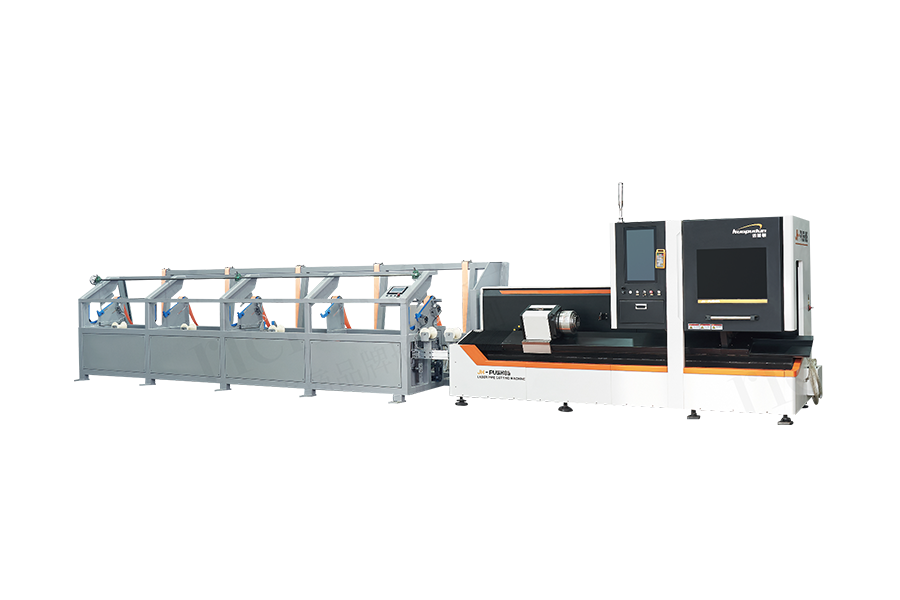
Professional R&D, production, sales and after-sales integration.
We have many years of experience in R&D of automation technology and laser technology
Tube fabrication is becoming more demanding as manufacturers handle different tube sizes, wall thicknesses, materials, and part geometries within the same production environment. For procurement teams, buying a cutting machine is therefore not simply a question of cutting speed. Engineers also need to consider material utilization, setup changes, dimensional consistency, operator workload, and how easily the machine can fit into the existing production process.

Start With the Actual Tube Processing Requirements
A suitable machine should be selected around the workpieces rather than around a single machine specification. Round, square, rectangular, and other profiles can require different holding and cutting strategies. Material type and wall thickness also affect the cutting process and the required configuration.
From a manufacturer's perspective, we recommend defining the typical production mix before discussing machine options. Important questions include:
- What tube profiles are processed most frequently?
- Does production involve frequent size or material changes?
- Are holes, slots, notches, or angled cuts required?
- How important are repeatability and finished-edge quality?
- Will the machine operate as a standalone unit or within a larger production line?
This information gives engineers a more practical basis for equipment selection.
Why Material Utilization Deserves More Attention
Tube material can become a significant production cost when jobs involve short components, frequent part changes, or complex cutting patterns. Modern tube-cutting workflows increasingly use nesting and automated cutting-path planning to make better use of available material. Software systems can calculate cutting sequences and optimize the arrangement of parts before production begins.
For buyers, this means material utilization should be discussed together with machine performance. A system that supports efficient nesting, suitable cutting sequences, and manageable offcut handling can help reduce unnecessary material loss without changing the product design.
Reduce Setup Work When Product Mix Changes
Many fabrication workshops do not produce one tube specification continuously. Orders may change according to customer requirements, project schedules, or different component designs. Excessive manual setup can make these changes slower and increase the possibility of incorrect machine settings.
A CNC tube cutting system with suitable programming functions can make job changes more structured. When CAD data, cutting parameters, and machine movements are properly connected, operators can spend less time manually defining repetitive cutting operations and more time checking the actual production process.
This flexibility is particularly useful for manufacturers producing multiple tube components rather than a single standardized part.
Look Beyond Straight Cutting
Modern tube components often require more than simple cross-cutting. Holes, slots, end shapes, notches, and other features may need to be completed before welding or assembly. Combining several operations within the cutting process can reduce the number of separate production steps.
For engineers, the important consideration is whether the machine can handle the actual geometry required by the finished component. A broader processing capability may help reduce secondary machining, additional handling, and repeated positioning.
Automation Should Solve a Real Production Problem
Automation is attracting continued attention in metal fabrication, but adding automated functions does not automatically make a production line more efficient. Current equipment development increasingly combines automated material handling, process monitoring, and production-data connectivity.
For a buyer, automation should therefore be linked to a specific bottleneck. Automatic loading may help when material handling consumes significant operator time. Automatic unloading can be useful when finished parts need to move directly to the next operation. Production monitoring becomes more valuable when managers need clearer information about machine utilization and workflow interruptions.
Consider Maintenance Before Signing the Purchase Order
A cutting machine is a production asset, so maintenance access deserves attention during procurement. Engineers should understand how key components are inspected, how consumables are replaced, and whether routine maintenance can be performed without creating unnecessary production interruptions.
Manufacturers should also provide clear technical documentation and practical support for installation, commissioning, operation, and troubleshooting. These details may not appear in a cutting-speed comparison, but they can influence the machine's usefulness throughout its working life.
Build the Machine Around the Production Process
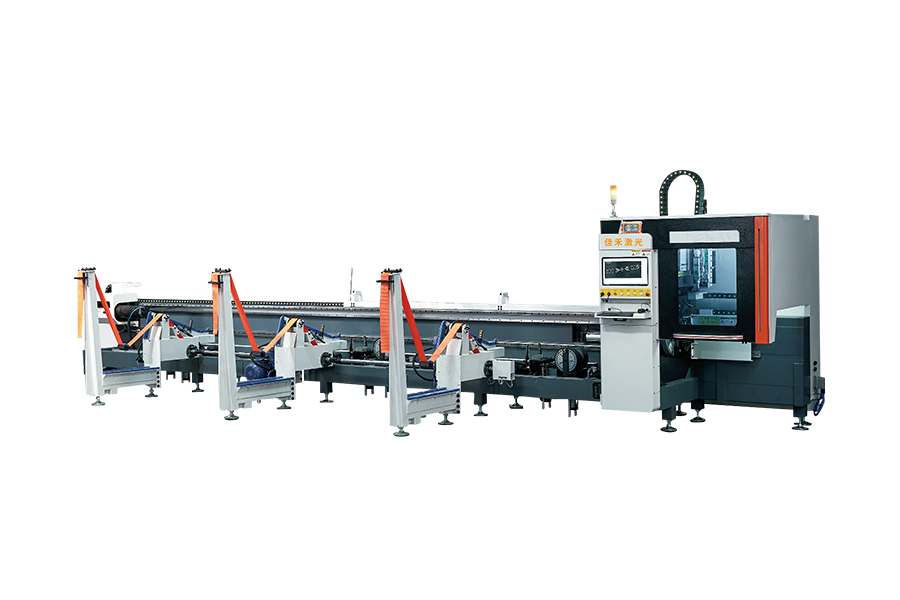
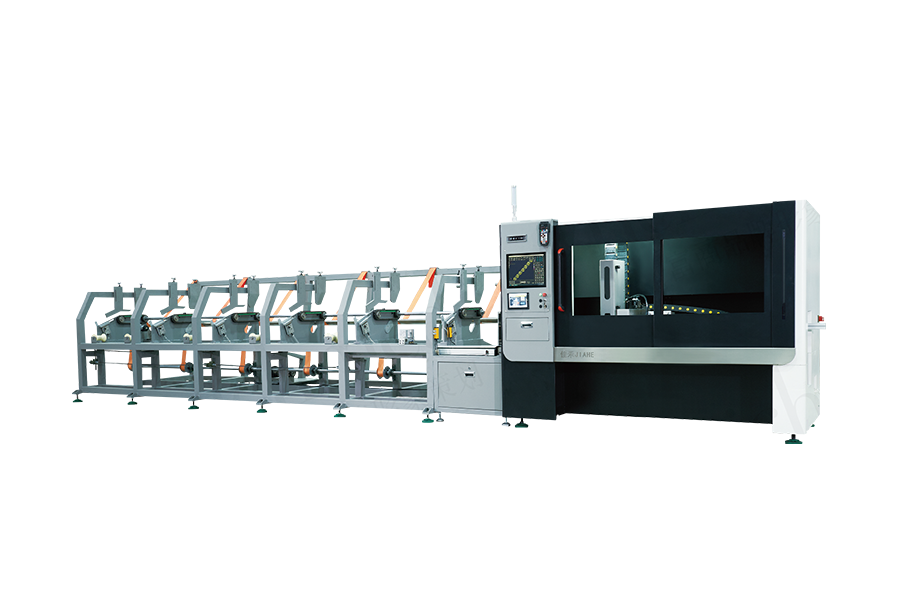
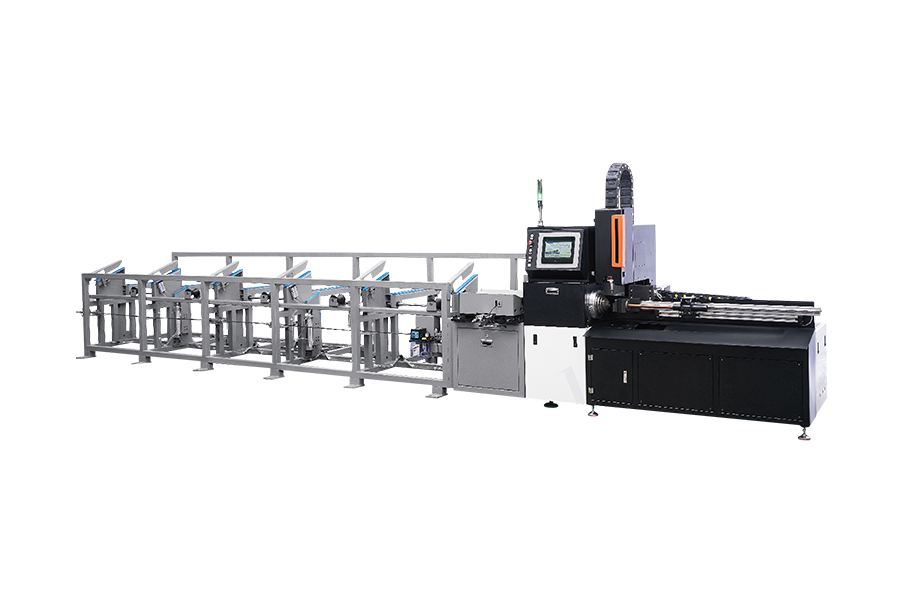
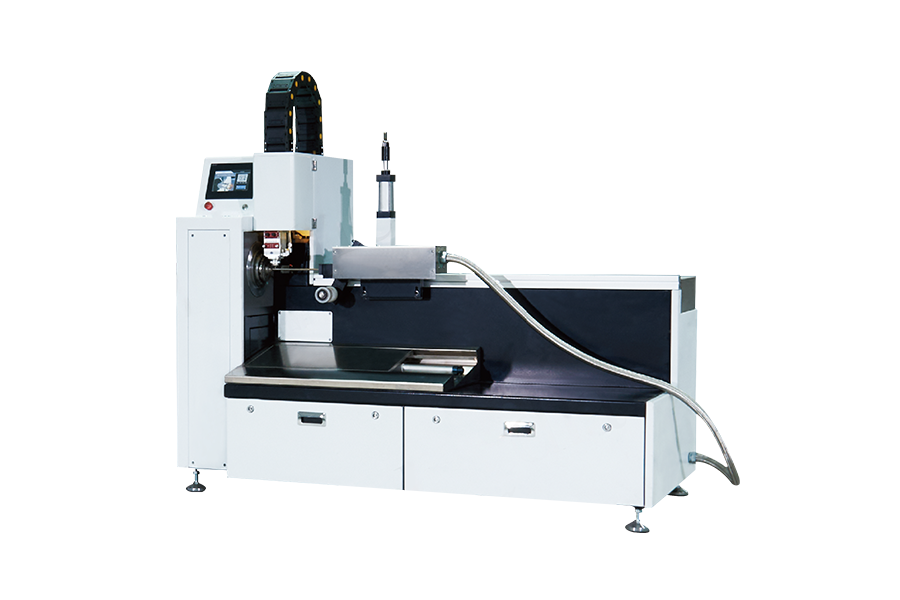
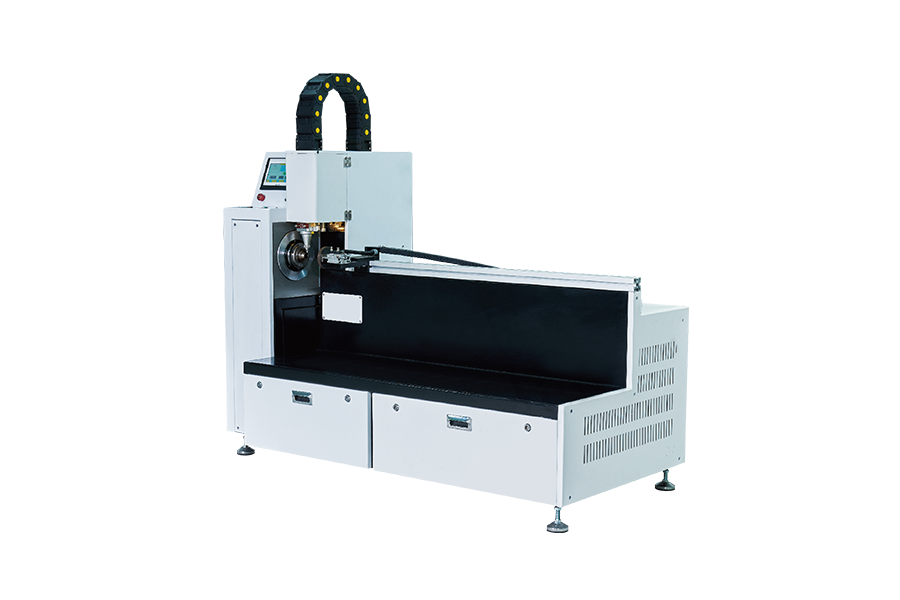
The right Tube Cutting Machine should fit the entire manufacturing workflow rather than perform one cutting operation in isolation. Material utilization, tube geometry, setup requirements, automation, secondary processing, and maintenance all influence the final value of the equipment. For manufacturers and procurement teams comparing industrial tube cutting solutions, discussing these factors with the machine builder before purchase can create a clearer specification and reduce unnecessary compromises during production.
 +86-0576-88365555
 +86-18858615555 / +86-15958622266
 No. 3, Building 9, Pan'ao Pioneer Park, Daxi Town, Wenling City, Taizhou City, Zhejiang Province, China