
 en
en English
 中文简体
中文简体 русский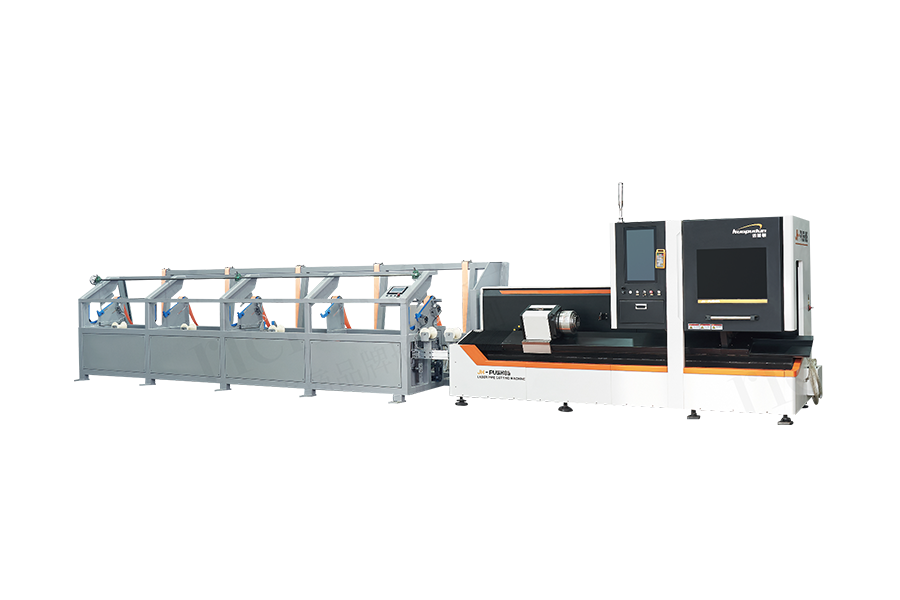
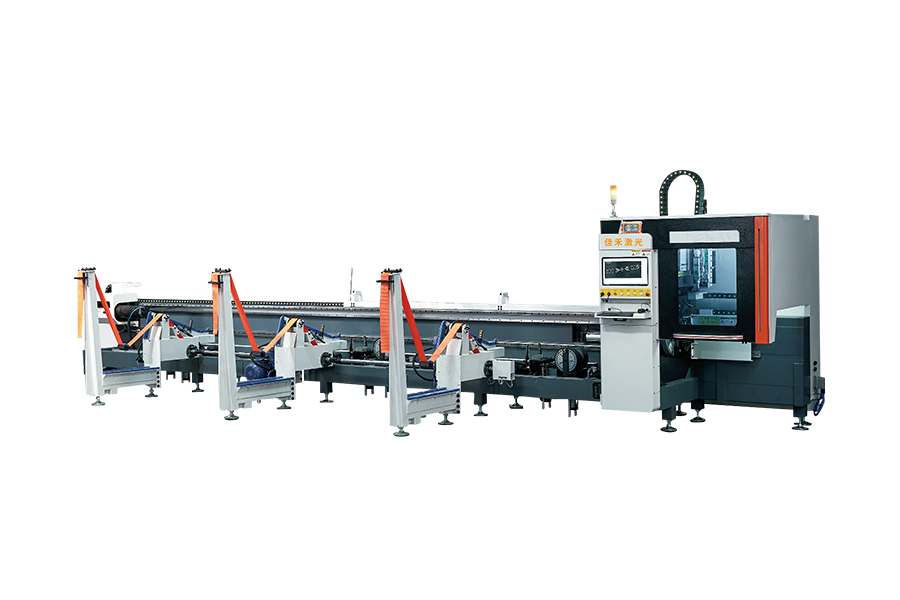
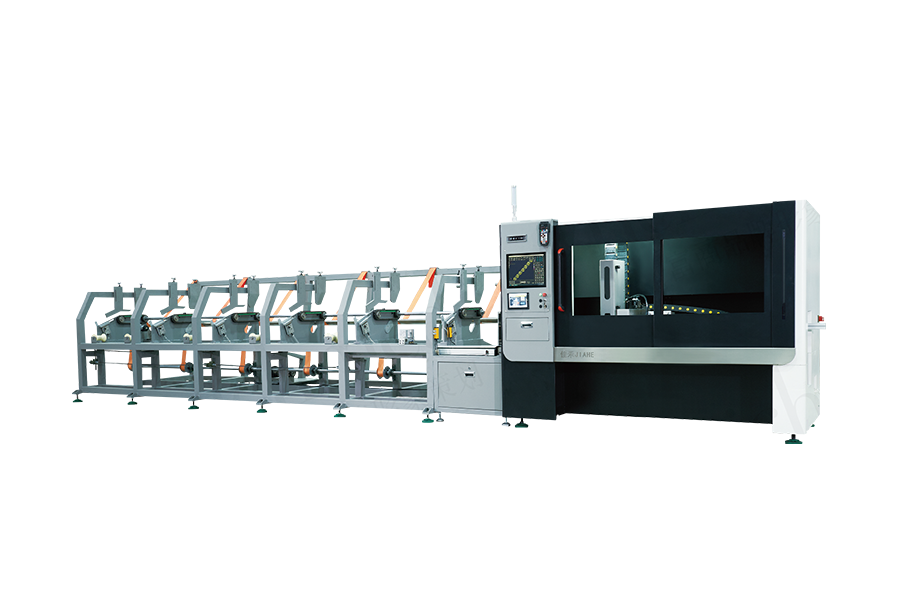
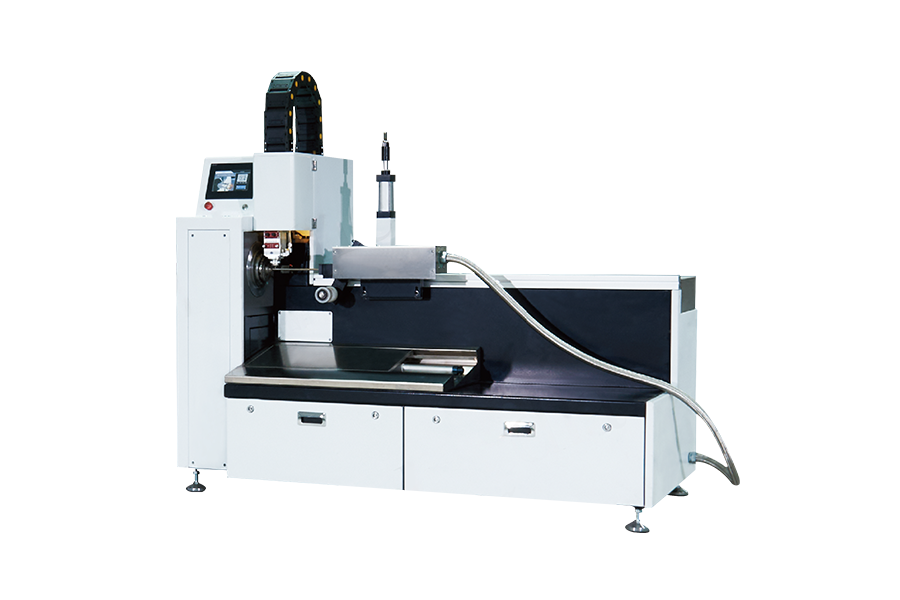
Professional R&D, production, sales and after-sales integration.
We have many years of experience in R&D of automation technology and laser technology
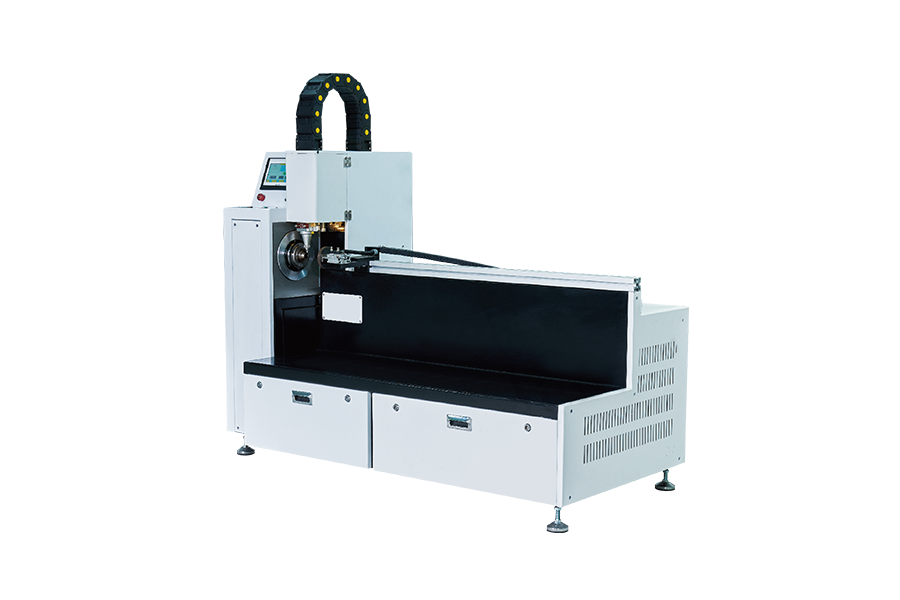
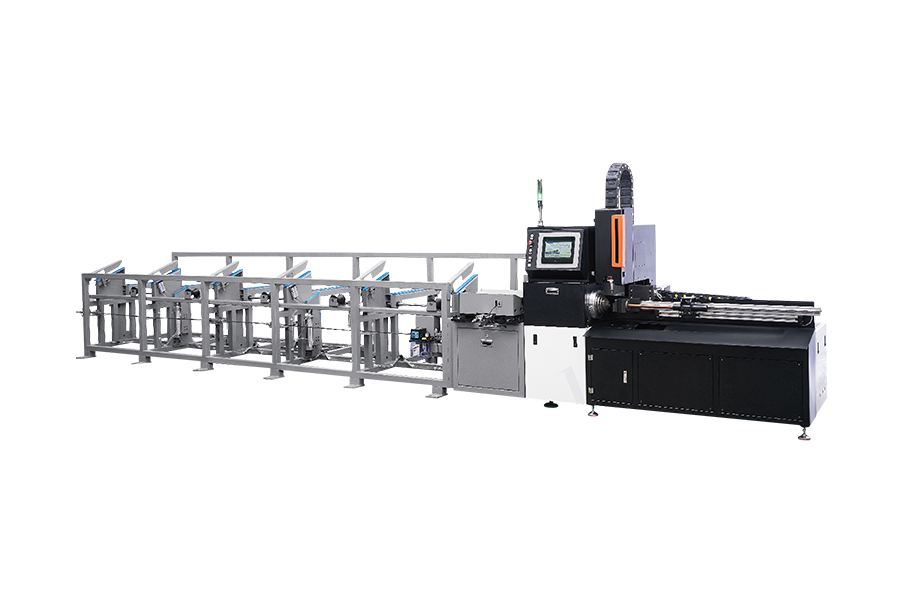
In recent years, global manufacturing discussions have shifted heavily toward digital transformation and more advanced production tools. Among the technologies gaining recognition, the Tube Cutting Machine and automated CNC Laser Pipe Cutting systems are increasingly seen as essential equipment for modern workshops. Manufacturers across automotive, engineering, furniture, and heavy machinery industries are exploring how these solutions can elevate reliability, strengthen competitiveness, and simplify production across a wide range of applications.
Why Are Buyers Demanding Higher Cutting Accuracy Than Before?
As product designs become more intricate and customized, cutting precision has become a key performance requirement in metal fabrication. Manufacturers no longer settle for inconsistent edges or unstable dimensional accuracy, especially when producing components for industries that expect dependable performance.
Online industry forums frequently discuss how precision impacts every downstream process—from welding to bending to assembly alignment. A small error in the cutting phase can create a chain reaction of challenges later, affecting both cost and efficiency. That’s why companies are looking more closely at cutting equipment that delivers steady and reliable results across various materials and pipe profiles.
Automation Helps Businesses Manage Skilled-Labor Shortages
Many countries are experiencing workforce shortages, especially in technical manufacturing positions. Workshops increasingly need equipment that can reduce reliance on highly skilled manual operators. Automated cutting systems, which streamline setup, eliminate repetitive manual adjustments, and guide the cutting path with accuracy, help businesses cope with labor limitations.
CNC-based solutions are widely praised for their ability to reduce operator fatigue while allowing teams to operate more machines simultaneously. This shift supports improved output and smoother workflow management, even for smaller facilities with limited staff.
Why Smooth Cuts Matter More Than Ever in Today’s Supply Chains
In global supply chains, consistency is crucial. Companies often handle tight delivery schedules and multiple project batches simultaneously. Smooth, clean edges produced by advanced cutting systems help eliminate unnecessary rework, reduce polishing steps, and maintain predictable production timelines.
Social platforms show a growing preference for cutting equipment that minimizes heat distortion and preserves material structure. This is especially relevant for industries requiring neat, uniform cuts that support stable welding or structural integrity, such as aerospace components or automotive tubing systems.
Growing Interest in Machines That Support Material Flexibility
Manufacturers today deal with a wide variety of materials, from lightweight alloys to high-strength steels. Each material behaves differently during cutting, and businesses need tools that adapt accordingly. Equipment compatibility is a major selling point in overseas discussions, especially among companies handling varying pipe shapes, wall thicknesses, and diameters.
A cutting system that transitions smoothly between different material types allows workshops to expand their services and attract more clients. This adaptability is one reason modern automated cutting solutions are becoming a preferred choice in fast-changing industries.
Digital Integration: The New Foundation of Smart Workshops
Digital connectivity is one of the strongest global manufacturing trends. Companies now want production equipment that can communicate with design software, store cutting profiles, and provide data insights.
CNC-controlled cutting systems offer exactly that. They support CAD-to-machine compatibility, automated path correction, and real-time monitoring features that help workshops optimize their workflow. This digital infrastructure creates clearer documentation, easier traceability, and more predictable production planning.
Manufacturers seeking long-term stability increasingly view digital integration as a strategic investment that future-proofs their operations.
Enhanced Safety Features Are Influencing Purchasing Decisions
Safety has become a major topic in global factory management. Automated pipe-cutting systems reduce the need for direct handling of blades or high-heat cutting environments, helping minimize accidents and improving operator confidence.
Buyers appreciate machines that incorporate enclosed cutting areas, stable clamping mechanisms, guided instructions, and emergency-stop functionality. As safety requirements continue evolving, equipment with built-in protective features is viewed as more reliable and easier to operate.
Why Modern Cutting Systems Are Becoming a Long-Term Investment Choice
Manufacturers are making more thoughtful decisions about equipment purchases. Instead of choosing basic cutting tools that require frequent maintenance or rework, buyers increasingly prefer machinery that supports consistent quality and stable long-term operation.
Advanced cutting solutions help businesses operate with greater reliability, meet customer expectations, and build a stronger competitive advantage. Workshops that adopt automated systems often find it easier to take on complex projects and expand their capabilities.
As global manufacturing grows more dynamic, technologies like the Tube Cutting Machine and CNC Laser Pipe Cutting continue to attract attention from businesses seeking adaptable, precise, and efficient production tools that support the future of metal fabrication.
 +86-0576-88365555
 +86-18858615555 / +86-15958622266
 No. 3, Building 9, Pan'ao Pioneer Park, Daxi Town, Wenling City, Taizhou City, Zhejiang Province, China